Wellness Tips for Women
Maintaining wellness is crucial for women at any stage of life, whether it involves managing stress, maintaining physical health, or nurturing emotional well-being. The following tips can help women balance their busy lives with effective wellness strategies that improve health, enhance quality of life, and boost overall vitality.
Incorporating a variety of wellness practices into daily routines can be transformative. From dietary choices to physical activity and mental health strategies, every woman can find ways to enhance her well-being. Let’s explore 10 practical wellness tips that can be easily integrated into everyday life.
Regular Physical Activity
Engaging in regular physical activity is essential for maintaining good health. It helps control weight, combats health conditions and diseases, and improves mood by boosting endorphins. Women should aim for at least 150 minutes of moderate aerobic activity or 75 minutes of vigorous activity each week.
Strength training is also crucial as it helps prevent loss of bone mass, builds muscle, and improves strength. This is particularly important as women age and risk of osteoporosis increases.
Balancing different types of exercise can keep routines enjoyable and reduce the risk of injury, making it more likely to stick with a fitness regimen long-term.
Balanced Diet
Eating a balanced diet rich in fruits, vegetables, lean proteins, and whole grains can help women maintain a healthy weight, provide energy, and prevent diseases. It’s important to focus on nutrient-dense foods and avoid excessive sugar and processed foods.
Incorporating foods high in iron and calcium is particularly important for women due to the risk of anemia and osteoporosis. Also, eating small, frequent meals throughout the day can help maintain steady blood sugar levels, which is crucial for maintaining energy throughout the day.
Staying hydrated is equally important; water is essential for digestion, absorption of nutrients, and elimination of toxins, and it also helps keep skin healthy and hydrated.
Quality Sleep
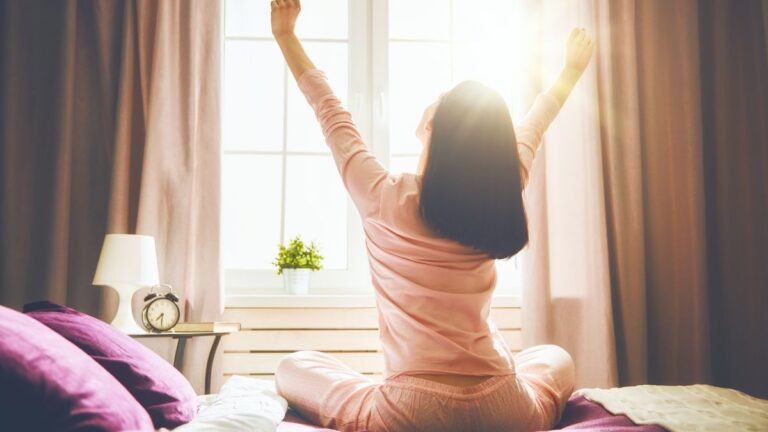
Getting enough quality sleep is vital for good health. Sleep affects physical and mental health, and poor sleep can increase the risk of significant health problems, including cardiovascular disease and diabetes, and it can affect hormonal balance.
Women should aim for 7-9 hours of sleep per night. Establishing a regular bedtime routine, creating a comfortable sleep environment, and avoiding stimulants such as caffeine and electronics before bedtime can help improve sleep quality.
Sleep hygiene practices, such as keeping a consistent sleep schedule and limiting daytime naps, can also promote better sleep patterns and, in turn, better health.
Stress Management
Managing stress is an essential part of maintaining overall wellness. High stress levels can affect hormonal balance, mental health, and even physical health. Techniques such as mindfulness, meditation, deep-breathing exercises, and yoga can help manage stress effectively.
Setting aside time for hobbies and interests can also reduce stress and improve mental health. It’s important for women to recognize stress triggers and learn proactive ways to manage stress before it affects their health.
Practicing gratitude and maintaining a positive outlook can also reduce the perception of stress and improve psychological well-being.
Regular Health Check-ups
Regular health check-ups are crucial for early detection and treatment of health issues. Women should schedule regular visits with their healthcare provider for preventive services, which might include screenings for blood pressure, cholesterol, cervical cancer, breast cancer, osteoporosis, and skin cancer.
Discussing family health history and personal health goals with a healthcare provider can also help tailor screenings and advice. Preventive care can save lives through early detection and can reduce the risk of developing more severe health problems over time.
Mental Health Awareness
Paying attention to mental health is as important as physical health. Depression, anxiety, and stress can affect anyone, and recognizing the signs and seeking help is crucial. Therapy, counseling, and medication are viable options for managing mental health disorders.
Engaging in activities that promote mental well-being, such as socializing with loved ones, pursuing hobbies, and setting achievable goals, can improve overall happiness and life satisfaction.
Moreover, reducing stigma around mental health issues and advocating for mental health care as a standard part of health care can encourage more women to seek help when needed.
Limiting Alcohol and Quitting Smoking
Limiting alcohol consumption and quitting smoking are critical for reducing health risks. Alcohol can affect women differently than men, and excessive drinking can lead to health problems such as liver disease and breast cancer.
Smoking cessation is one of the most significant health improvements a person can make. It reduces the risk of numerous diseases, including heart disease, numerous types of cancer, and respiratory diseases.
Programs, medications, and therapies are available to help women reduce or stop alcohol consumption and quit smoking. Consulting a healthcare provider for guidance and support can increase the chances of success.
Sun Protection
Protecting skin from the sun is essential to prevent skin cancer and premature aging. Using sunscreen with a high SPF, wearing protective clothing, and avoiding the sun during peak hours can help reduce risk.
Regular skin checks can also detect skin changes and early signs of skin cancer. Women should be familiar with their skin and report any changes to a healthcare provider promptly.
In addition to sun protection, maintaining skin health by staying hydrated and using moisturizers can also preserve skin integrity and appearance.
Social Connections
Maintaining strong social connections can support mental and physical health. Relationships provide emotional support, help cope with stress, and enhance quality of life. Building a supportive network through activities and community groups can be beneficial.
Volunteering, joining clubs, or attending community events can expand social networks and increase feelings of belonging. For women who may feel isolated, online communities related to personal interests can also provide support and connection.
Self-care
Self-care is an essential part of wellness. It means taking time for oneself to do things that nurture body, mind, and soul. This can include reading, taking a long bath, practicing yoga, or simply taking a walk.
Acknowledging the need for personal time and making it a priority can improve overall health and well-being. Self-care isn’t selfish; it’s a necessary aspect of maintaining health and wellness, especially in a busy world.
These ten wellness tips can help women lead healthier and more balanced lives by focusing on holistic health practices that cater to physical, mental, and emotional needs.