Healthy Lifestyle for Beginners

Many people want to start living a healthier life but are not sure where to begin. The good news is that a healthy lifestyle for beginners does not have to be complicated. Small, simple steps can create lasting habits that improve our overall well-being. Whether we focus on wholesome foods, moving our bodies more, or getting enough rest, these actions can lead to better energy, stronger immunity, and a happier mind. By learning a few basics and making small changes, we can build a solid foundation and gain confidence in our daily choices.
One reason a healthy lifestyle seems confusing is the flood of advice we see everywhere. It can feel overwhelming to read about complex meal plans or advanced workout routines. The truth is that small, steady progress often beats dramatic overhauls. A short walk each day might be easier to maintain than an intense gym session every morning. A simple adjustment in our diet, like adding a salad or switching to water instead of sugary drinks, can make a big difference. With the right mindset and a willingness to learn, healthy living can be both welcoming and sustainable.
Understanding the Basics
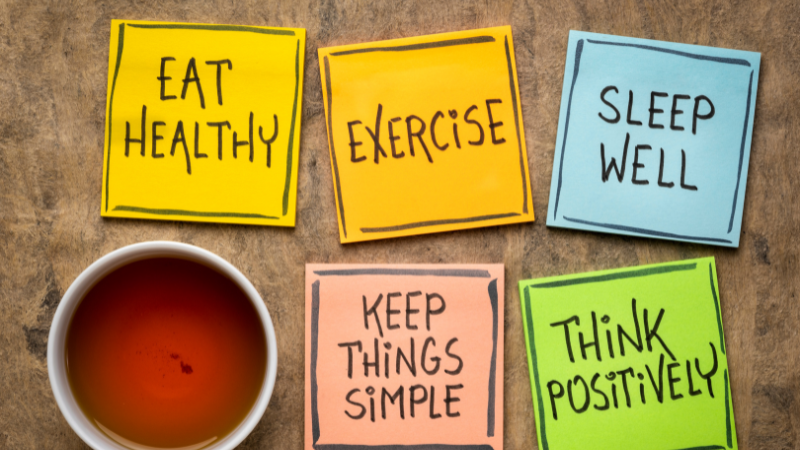
The path to a healthy lifestyle begins with awareness. This means knowing how our daily habits influence our bodies and minds. If we regularly choose fast food or sugary snacks, our energy might crash, and our health can suffer in the long run. When we become aware of these patterns, we can start replacing them with healthier options.
Being mindful of our routine also helps. Many beginners do not realize how little sleep they are getting or how much time they spend sitting down. Making a note of these habits can reveal areas for improvement. Awareness is the first step toward positive change because it shows us what we need to address.
We can begin by taking small steps. Maybe we go to bed 30 minutes earlier or swap one unhealthy meal for something more wholesome. Each small victory encourages us to keep going. Over time, these simple actions can become normal habits that support a healthier and happier life.
Wholesome Eating

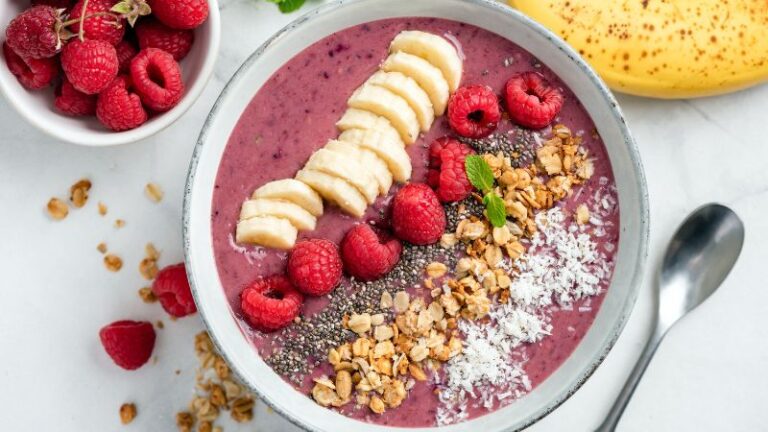
A balanced diet is crucial for beginners who want a healthier lifestyle. This does not mean following a strict plan. Instead, think of colorful fruits and vegetables as the foundation of our meals. Whole grains, lean proteins, and healthy fats also play a part in fueling our bodies with essential nutrients.
Many of us can improve our diets by cutting back on processed foods. When we eat too many snacks filled with sugar or unhealthy fats, we deprive our bodies of quality energy. We might notice spikes and crashes in mood or even long-term health problems. By sticking to mostly whole foods, we give ourselves the best chance to thrive.
Another important step is watching our portion sizes. Even healthy meals can lead to weight gain if we eat too much. A simple guide is to make sure vegetables fill at least half our plate. The remaining space can be split between protein and whole grains. This helps us stay full and satisfied without going overboard.
Hydration and Beverages

Staying hydrated is a key part of a healthy lifestyle. Our bodies need enough water to keep organs functioning and to help clear out toxins. Many people walk around mildly dehydrated, which can lead to low energy or headaches. Drinking water throughout the day can keep us feeling focused and more alert.
It is easy to overlook how our beverage choices affect our health. Sugary drinks like soda or sweet tea add extra calories that do not really nourish us. Over time, these habits can contribute to weight gain or blood sugar issues. Switching to water, herbal teas, or even sparkling water is a simple way to reduce sugar intake and feel better.
Some people also rely on caffeine for energy. While a bit of coffee or tea can be harmless, relying on it too much may disturb our sleep. If we find ourselves drinking multiple cups to stay awake, it might help to check our sleep patterns or stress levels. Balanced hydration goes hand in hand with balanced energy, so making healthier beverage choices is often a big step forward.
Daily Movement

Physical activity does not have to be complex. Many beginners benefit from simple routines that fit into their schedules. Even a 15-minute walk at a steady pace can boost our mood and support heart health. Over time, if we stay consistent, we can add more minutes or intensity.
Some people prefer to jog, cycle, or dance. Others might choose swimming or yoga. The key is to find something enjoyable so that it does not feel like a chore. Trying different activities can help us discover what we love. We can start by dedicating a few days each week to our chosen activity. Once it becomes a habit, it is easier to stay motivated.
Daily movement also helps control weight. When we pair regular exercise with balanced eating, we are more likely to maintain a healthy body composition. Our muscles become stronger, and our cardiovascular system works more efficiently. The result is that everyday tasks like climbing stairs or carrying groceries become easier, and we feel more confident in our capabilities.
Rest and Recovery

Getting enough quality sleep is essential for a healthy lifestyle. Many beginners forget this part, focusing mainly on food and exercise. Yet sleep is when our bodies repair tissues and regenerate cells. Not getting enough can lead to irritability, difficulty concentrating, and overeating. Aim for seven to nine hours of sleep each night, depending on your personal needs.
Setting up a relaxing bedtime routine can improve our sleep quality. Some people find a warm shower and dimming the lights helps them wind down. Others might read a book or listen to calming music. These gentle habits signal the brain that it is time to rest, which can result in more consistent, peaceful sleep.
Rest days are also important for exercise routines. While it is exciting to jump into daily workouts, our bodies need time to recover. If we push too hard, we risk injury or burnout. Taking one or two rest days each week allows muscles to rebuild and get stronger. This balanced approach keeps us motivated and consistent in the long run.
Managing Stress
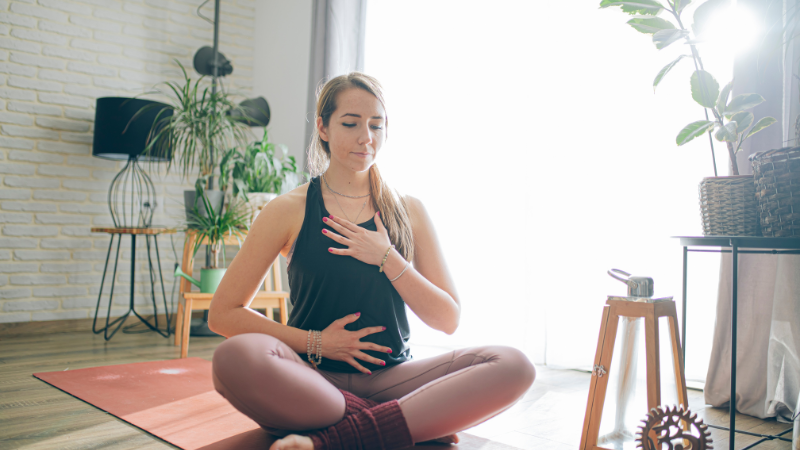
Stress can wear down our bodies and minds. We may notice tense shoulders, headaches, or trouble sleeping. A healthy lifestyle includes learning healthy stress management. Simple activities like deep breathing, gentle stretching, or short walks can bring immediate relief when we feel overwhelmed.
Some people find benefit in journaling. Writing down worries or daily goals can help clear the mind and reduce mental clutter. Others enjoy activities that shift focus away from stress, like painting or practicing a musical instrument. These hobbies engage our brains in creative ways, which can help us relax.
Mindfulness is another useful tool. Spending a few minutes observing our thoughts without judgment can calm the mind. By slowing down and paying attention to the present moment, we can reset our perspective. This helps us handle stress more gracefully and supports a stable, balanced outlook on life.
Building Supportive Habits
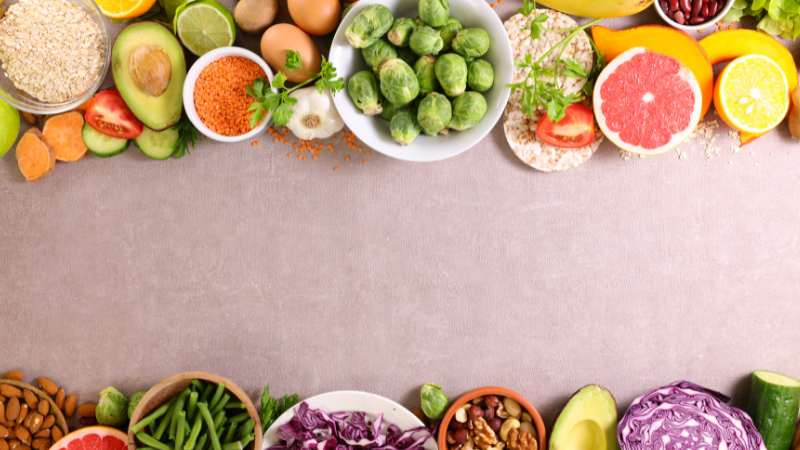
Building supportive habits is easier when we start small. If we change too much at once, we might feel overwhelmed. Instead, we can focus on one or two goals at a time. For example, we might begin by adding a fruit or vegetable to each meal. Once that feels natural, we can move on to adding a short evening walk or waking up earlier.
An important aspect of habit-building is consistency. Doing something healthy once a week might not lead to real changes. Committing to small actions on most days creates momentum. Habits form when we repeat behaviors until they become second nature. Over time, we become more comfortable making choices that support a healthy lifestyle.
Beginners can also benefit from reminders and accountability. Setting an alarm for an evening stretch or sharing goals with a friend can help us stay on track. When we have a support system, we feel encouraged to keep going. Each time we accomplish a small goal, our confidence grows, and the next step feels more doable.
Importance of Moderation

A healthy lifestyle does not mean giving up all pleasures or following rigid rules. It means practicing moderation. If we love pizza or cookies, we can still enjoy them, but in smaller amounts or less often. Depriving ourselves completely can lead to cravings and guilt, which is not sustainable.
We can focus on the quality of indulgent foods. If we want dessert, we could choose something homemade with real ingredients, rather than a highly processed product. This way, we enjoy the treat without as many artificial additives. Balanced eating plans can fit a variety of tastes, making it easier to stick to healthier habits over time.
Moderation also applies to other aspects of life, such as social media or screen time. Constant scrolling can affect our mood and sleep patterns. Setting boundaries helps us avoid feeling drained by digital stimuli. Instead, we can carve out time for reading, hobbies, or socializing face to face. Learning to balance different areas of life is part of a well-rounded, healthy lifestyle.
Staying Motivated Over Time

Motivation can dip when we face obstacles or do not see quick results. One way to stay motivated is to track progress. This could mean keeping a journal of meals, workouts, or how we feel each day. Even noticing small improvements, like increased energy, can spark joy and encourage us to keep going.
We can also celebrate our milestones. If we have been consistent for a month or reached a personal best in a workout, we can reward ourselves. The reward does not have to be food. It could be something that supports our goals, like new workout gear or a relaxing massage. Recognizing our own success keeps us excited about the journey.
Finding a community or a workout buddy can help us stay accountable. Sharing struggles and triumphs reminds us that we are not alone in wanting to live healthier. Friends can offer fresh ideas or a friendly push when we lose steam. Support networks can inspire us to try new recipes or set fitness challenges together.
Simplifying Our Environment
Our environment plays a big role in supporting or blocking healthy habits. We can create a supportive space by making nutritious foods easy to reach and keeping temptations out of sight. For instance, we might place fruit on the counter while storing sweets in less visible spots. This makes healthy choices more likely.
We can also simplify by cleaning up our living area. Cluttered spaces can contribute to stress and distract us from our goals. Taking a few minutes each day to tidy up can bring a sense of calm. It also makes it easier to find workout gear or prepare meals without feeling overwhelmed.
Another helpful step is organizing our schedules to include healthy activities. We can plan meals, set aside times for exercise, and block out a bedtime routine. When these tasks are scheduled, they become more than just wishes. This approach allows us to see where we can fit self-care into our daily lives, rather than leaving it to chance.
Mindful Eating and Portion Control
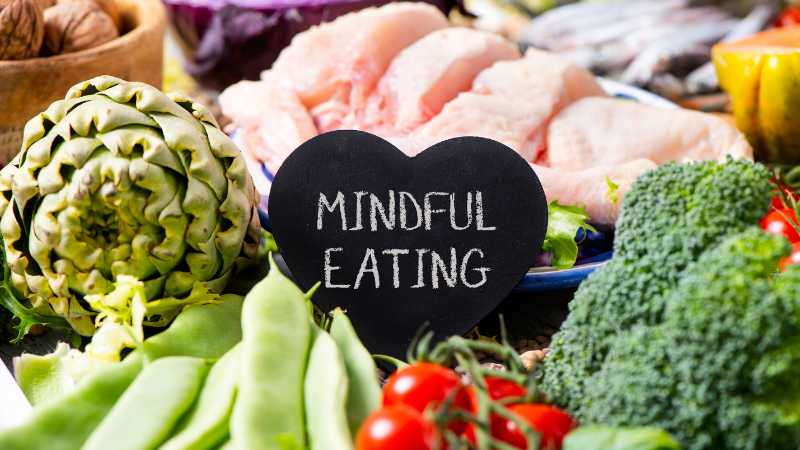
Mindful eating involves paying attention to what and how we eat. It means slowing down, savoring each bite, and noticing when we feel satisfied. Many people eat too fast or while multitasking, which can lead to overeating. By being more present during meals, we can better tune in to hunger and fullness cues.
Portion control works hand in hand with mindful eating. Restaurants often serve large portions, which can trick us into thinking we need more than we do. We can start by using smaller plates at home. This helps us see a full plate that is actually a healthier serving size. Going back for seconds is always an option if we are still hungry, but often the first serving is enough.
We can also listen to our bodies to decide whether we truly need more food or if we are just eating out of habit or boredom. Drinking water before a meal can help us figure out if we are thirsty rather than hungry. Over time, mindful eating and portion control can reshape our relationship with food and prevent overeating.
Incorporating Flexibility and Fun

A healthy lifestyle does not have to be rigid. In fact, adding fun and variety can make it more fulfilling. If we get bored with the same workout routine, we can try a new activity like dancing, hiking, or a group fitness class. This keeps our minds engaged and our bodies challenged in fresh ways.
We can also experiment with new recipes or cooking methods. Adding herbs and spices can transform a simple dish into something exciting. Exploring different cuisines can spark our creativity and introduce us to a wide range of nutrients. Keeping food fun and flavorful makes it easier to stick to wholesome eating habits.
Flexibility applies to social life as well. We can still enjoy birthday parties or restaurant dinners. The key is to make choices that align with our goals most of the time, while allowing some space for treats. Balance keeps us from feeling deprived. It also helps us blend our healthy habits into our real, everyday lives without feeling isolated.
Adapting to Different Lifestyles
Everyone’s life situation is unique. Some of us work desk jobs, while others have active roles. Some live in cities, while others live in rural areas. A healthy lifestyle can adapt to all kinds of environments. If we have limited space, we can do bodyweight exercises at home. If we have busy schedules, short bursts of movement can help us stay active.
Beginners who have physical limitations or health conditions can still find routines that fit their needs. Light stretching, chair yoga, or walking are gentle ways to move. Involving a healthcare professional is wise if we are unsure about the intensity of our workouts. We can adjust our pace to stay safe and still make progress.
Different cultural backgrounds also influence what we eat. A healthy lifestyle can embrace any cuisine. Adding more vegetables, reducing heavily processed ingredients, and being mindful of portion sizes can work in nearly all traditions. This flexibility means we do not have to give up the flavors we love. Instead, we refine our choices to support our bodies and health.
Handling Setbacks
Setbacks happen to everyone. We might skip workouts due to a busy schedule or turn to comfort foods during a stressful time. It is important to remember that a single slip-up does not define our journey. A healthy lifestyle is about long-term patterns, not momentary lapses.
When we face a setback, we can pause and reflect. What triggered it? Maybe we felt overwhelmed, or we did not plan meals in advance. Understanding the cause helps us find a better approach for the future. Forgiving ourselves and moving forward is more productive than dwelling on mistakes.
We can also use setbacks as a chance to learn. If a busy week caused us to neglect exercise, maybe we can schedule shorter, more flexible workouts next time. If we ate more junk food than usual, perhaps having healthier snacks on hand will prevent the same issue. Every challenge can teach us something that helps us become stronger and more resilient.
Celebrating Small Wins
Celebrating small wins is a big part of staying motivated. Many of us set huge goals and forget to acknowledge the little steps along the way. If we manage to walk three days in a row or eat balanced meals for a week, that is worth recognizing. A pat on the back or a fun activity can keep our spirits high.
We can also note improvements that are not tied to weight or appearance. Maybe we have more energy in the mornings. Perhaps we are sleeping better or feeling less anxious. These subtle changes indicate our healthy choices are working. Noticing them can be a powerful boost to our confidence.
Sharing our wins with loved ones can multiply the positive effect. They can cheer us on, and some might be inspired to join in. This sense of community can make the journey more enjoyable. The excitement of a shared victory helps turn small successes into motivation for even bigger accomplishments.
Continuing the Journey
A healthy lifestyle is not a finish line we cross once. It is an ongoing journey that evolves as we grow and change. What worked for us as beginners might shift over time. We may develop new interests, such as strength training or a love for a specific type of cooking. Exploring these paths can keep our lifestyle fresh and exciting.
It also helps to check in with ourselves regularly. Are we still enjoying our workouts? Have we found any new foods that energize us? Are there parts of our routine that have become stale or stressful? Reflecting on these questions allows us to make adjustments so that we stay in tune with our own well-being.
Through every stage, the most important thing is to stay kind to ourselves. Learning how to live healthier takes patience and experimentation. Each small step we take builds on the previous one, creating a strong framework for a happier, more vibrant life. We do not have to be perfect. We only need to keep moving forward.
Final Thoughts
Starting a healthy lifestyle may feel challenging at first, but it becomes easier with time. By focusing on simple, consistent actions, we can make real progress. Eating whole foods, drinking enough water, and finding enjoyable ways to move are all steps in the right direction. Getting enough sleep and managing stress round out the basics of a balanced routine.
Even beginners can discover many benefits from these adjustments. More energy, better mood, and improved confidence are just a few. Along the way, we can celebrate small victories and keep learning what works best for us. There is no need to aim for perfection, because healthy living is a personal journey filled with growth and change.
When we approach each day with an open mind and a willingness to make healthier choices, we gradually shape a lifestyle that supports our well-being. The steps we take may feel small, but they add up to create a lasting positive impact. As we continue, we become more comfortable with our new habits and see them as a normal part of life. This is how true, lasting healthy living begins.