
Wellness Routines for Busy People: Simple Steps for a Healthier You

In today’s fast-paced world, finding time for wellness can feel like a luxury rather than a necessity. However, staying healthy and balanced is critical for maintaining energy, focus, and happiness, especially for those with hectic schedules. Wellness routines don’t have to be time-consuming; small, intentional actions can significantly improve your physical and mental well-being.
Whether you’re juggling work, family, or personal commitments, incorporating wellness practices into your daily life is easier than you think. Below, we explore practical wellness routines tailored for busy people, offering strategies to prioritize your health without disrupting your schedule.
Morning Habits to Start the Day Right

A strong morning routine sets the tone for the rest of your day. Incorporating wellness into your morning doesn’t require hours; just a few focused minutes can make a big difference. Start by hydrating your body with a glass of water upon waking, which helps kickstart your metabolism and improve brain function.
Adding a short burst of physical activity to your morning can boost energy levels and enhance mood. This could be a 10-minute yoga session, a brisk walk, or even a quick stretch. Movement increases endorphins, making you feel more positive and ready to tackle your day.
Mindfulness practices like journaling or meditation are another great addition to your morning. Spending even five minutes focusing on gratitude or setting intentions for the day can reduce stress and improve focus. Apps like Calm or Headspace can guide you through quick meditations, making mindfulness accessible for everyone.
Efficient Meal Planning and Nutrition
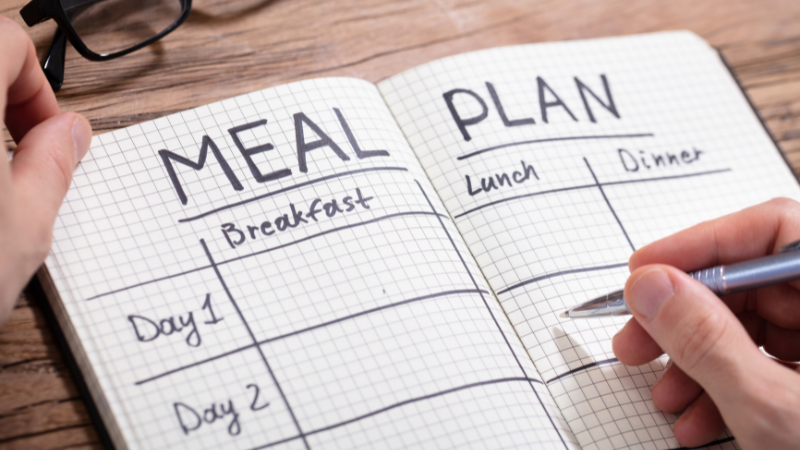
Healthy eating doesn’t have to be time-consuming or complicated. Meal planning is a game-changer for busy people, ensuring you always have nutritious options on hand. Spend 30 minutes each weekend planning your meals for the week, focusing on simple, balanced recipes with lean protein, whole grains, and plenty of vegetables.
Batch cooking can save both time and stress. Prepare larger portions of meals like soups, stews, or stir-fries and store them in individual containers for grab-and-go convenience. This eliminates the need for unhealthy takeout during your busiest days.
Snacks can also be part of a healthy routine. Keep options like nuts, fruit, or yogurt readily available to maintain energy levels throughout the day. By planning ahead and keeping things simple, you can prioritize nutrition without sacrificing time.
Quick Workday Wellness Practices

Incorporating wellness into your workday is key to staying productive and focused. Start by taking short breaks every hour to stand, stretch, or walk. These micro-breaks improve circulation and prevent the stiffness associated with sitting for long periods.
Staying hydrated is another simple but effective practice. Keep a water bottle at your desk as a reminder to drink regularly. Proper hydration supports cognitive function, energy, and overall health, helping you perform better at work.
Consider incorporating mindfulness into your midday routine. A quick breathing exercise or a five-minute guided meditation can lower stress levels and improve concentration. These small breaks help you reset, ensuring you remain productive throughout the day.
Evening Wind-Down Routine

Unwinding at the end of the day is essential for good sleep and overall wellness. Begin by disconnecting from screens at least 30 minutes before bed. The blue light emitted by devices can disrupt your body’s natural sleep-wake cycle, making it harder to fall asleep.
Instead of scrolling through your phone, try reading a book, taking a warm bath, or practicing gentle yoga. These activities signal to your body that it’s time to relax, helping you transition into restful sleep more easily.
Writing in a journal before bed is another effective wind-down activity. Reflecting on the day’s achievements or listing things you’re grateful for can shift your focus from stress to positivity, promoting better mental health.
Exercise on a Tight Schedule

Fitting exercise into a busy schedule can be challenging, but it’s not impossible. High-Intensity Interval Training (HIIT) workouts are a fantastic option for those short on time. These workouts combine short bursts of intense activity with brief rest periods, delivering maximum benefits in as little as 15-20 minutes.
Another option is incorporating movement into your daily routine. Walk or bike to work if possible, take the stairs instead of the elevator, or park farther from your destination to add extra steps. These small changes can add up over time, keeping you active without needing a dedicated workout session.
For those who prefer structure, consider using fitness apps like Nike Training Club or Peloton, which offer guided workouts tailored to your goals and schedule. Even a few sessions per week can significantly improve your fitness and energy levels.
Mindfulness for Mental Clarity

Mental wellness is just as important as physical health, especially for busy individuals. Practicing mindfulness can help reduce stress, improve focus, and increase overall happiness. You don’t need an hour-long meditation session; just a few minutes of deep breathing or guided relaxation can have a profound impact.
Try incorporating mindfulness into your daily tasks. Focus on your senses during activities like eating, walking, or even washing dishes. This practice, known as mindfulness in action, helps you stay present and reduces feelings of overwhelm.
Journaling is another effective mindfulness technique. Spend five minutes each evening jotting down thoughts, worries, or goals. This practice helps clear your mind, making it easier to relax and focus on what matters most.
The Power of Sleep Hygiene

Sleep is the foundation of wellness, yet it’s often neglected by busy people. Establishing good sleep hygiene can improve the quality of your rest, leaving you feeling refreshed and energized. Start by creating a consistent sleep schedule, going to bed and waking up at the same time every day, even on weekends.
Optimize your sleep environment for maximum comfort. Keep your bedroom cool, dark, and quiet, and invest in a comfortable mattress and pillows. Avoid caffeine or heavy meals in the evening, as they can interfere with your ability to fall asleep.
Consider a pre-bedtime ritual to signal to your body that it’s time for sleep. This could include dimming the lights, listening to calming music, or using lavender essential oil to create a relaxing atmosphere. These small habits can make a big difference in your overall wellness.
Social Connections and Support

Staying connected with others is an often-overlooked aspect of wellness, but it’s vital for emotional health. Carve out time to nurture relationships, whether it’s through a weekly phone call, a quick coffee meetup, or a shared meal with loved ones.
For those with tight schedules, consider combining social time with other activities. Go for a walk with a friend, join a fitness class together, or prepare a healthy meal as a group. These multitasking opportunities allow you to strengthen bonds while prioritizing health.
If in-person interactions are difficult to arrange, leverage technology to stay connected. Virtual check-ins, video calls, and even group chats can help maintain your support network, ensuring you never feel isolated.