Stress Management and Relaxation Tips
In our fast-paced, high-pressure world, stress can often feel like an inevitable part of life. However, effectively managing stress is crucial to maintaining both mental and physical health. Learning how to handle stress through practical relaxation techniques and lifestyle changes can transform the negative impacts of stress into manageable elements of everyday life, enhancing overall well-being.
While there is no one-size-fits-all solution for managing stress, incorporating a variety of relaxation practices and stress management strategies can make a significant difference. These tips range from quick fixes to long-term habits that promote a calmer, more balanced life. Here are thirteen strategies to help you manage stress and increase relaxation.
1. Deep Breathing Exercises
Deep breathing is a simple yet powerful relaxation technique that can reduce stress, anxiety, and help calm the mind. By focusing on slow, deep, and consistent breaths, you engage the body’s natural relaxation response.
This helps lower heart rate and blood pressure, promoting feelings of calmness. Start by inhaling deeply through your nose, holding your breath for a few seconds, and then exhaling slowly through your mouth. Repeat this pattern for several minutes until you feel more relaxed.
Practicing deep breathing can be especially beneficial during moments of acute stress or when you feel overwhelmed. It’s a tool that requires no special equipment and can be done anywhere at any time. To enhance the experience, you can incorporate aromatherapy using calming scents like lavender or chamomile which can further promote relaxation.
Consistent daily practice of deep breathing exercises can help build your resilience to stress over time. It trains your body and mind to activate relaxation more quickly, helping you to remain calm in stressful situations.
2. Progressive Muscle Relaxation
Progressive Muscle Relaxation (PMR) is a technique that involves tensing and then relaxing different muscle groups in the body. This method helps to highlight the contrast between tension and relaxation, making you more aware of physical sensations and aiding in the release of muscle tension. Begin by tensing the muscles in your feet and progressively work your way up to the top of your head.
Holding tension in a muscle group for about five seconds and then releasing it for 30 seconds teaches the body the feeling of relaxation. This practice can be particularly useful before bedtime to alleviate insomnia caused by stress. PMR not only reduces physical tension but also decreases mental anxiety as the body relaxes.
Regular practice of PMR can significantly reduce overall stress levels and can be a useful technique in stress-critical situations, allowing a better management of the body’s responses to stress.
3. Regular Physical Activity
Engaging in regular physical activity is one of the most effective ways to combat stress. Exercise releases endorphins, natural brain chemicals known for their ability to improve mood and act as natural painkillers. Even moderate exercise like walking or yoga can have a profound impact on reducing stress levels.
Cardiovascular exercises, such as running, swimming, or cycling, are particularly effective in reducing stress because they increase heart rate, which can help to clear the mind and improve overall fitness. Exercise also helps improve sleep, which can be negatively affected by stress, creating a vicious cycle of stress and sleeplessness.
Incorporating regular physical activity into your routine does not necessarily mean engaging in intense workouts. Even small amounts of physical activity spread throughout the day can improve your stress levels and overall health. Aim for at least 30 minutes of moderate exercise most days of the week for optimal benefits.
4. Set Realistic Goals
Setting realistic goals is crucial in stress management because it helps prevent the feeling of being overwhelmed. Clear and achievable goals can provide a sense of purpose and direction, reducing anxiety and stress. When setting goals, make them specific, measurable, attainable, relevant, and time-bound (SMART).
Review your goals regularly and be prepared to adjust them if they become too stressful or if circumstances change. It’s important to recognize your achievements, no matter how small, as this can boost your self-esteem and reduce feelings of inadequacy that often accompany unmet goals.
Balancing ambition with realistic expectations is key to maintaining mental health. Remember, it’s okay to push yourself to grow, but not at the cost of your well-being.
Certainly, let’s continue with the remaining nine stress management and relaxation tips:
5. Mindfulness Meditation
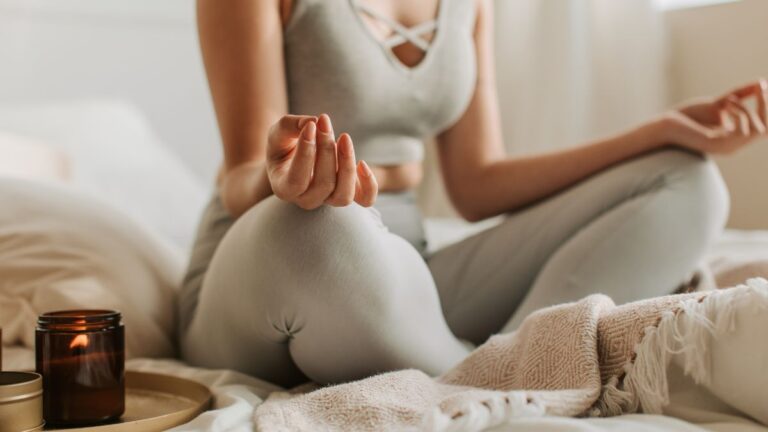
Mindfulness meditation involves focusing your mind on the present moment, acknowledging and accepting your thoughts, feelings, and bodily sensations without judgment. Regular practice can reduce stress and increase your awareness and appreciation of life. Sit in a quiet place and focus on your breath or a specific word or phrase to guide your focus; this will help center your thoughts.
With consistent practice, mindfulness meditation can enhance your ability to concentrate and reduce the tendency to react impulsively to stressful situations. It teaches you to respond more calmly and thoughtfully to challenges. Meditation apps or local classes can provide guidance and structure as you learn this technique.
As you incorporate mindfulness into daily activities, such as eating or walking, it becomes more than just a practice—it transforms into a way of living that fosters peace and serenity even in stressful times.
6. Balanced Diet
Eating a balanced diet plays a significant role in how you feel both physically and mentally. Foods rich in vitamins and minerals can boost your brain health and improve your mood, while a poor diet can lead to increased stress and sluggishness. Incorporate plenty of fruits, vegetables, lean proteins, and whole grains into your meals.
Avoid excessive caffeine and sugar as they can cause peaks and troughs in your energy levels, potentially increasing stress and anxiety. Staying hydrated is also important; dehydration can cause confusion and irritability. Plan regular meals and healthy snacks to maintain stable blood sugar levels.
Consider supplements like omega-3 fatty acids and B vitamins as they have been found to reduce stress symptoms by improving neural function and mood regulation.
7. Adequate Sleep
Sleep and stress often influence each other; poor sleep can lead to increased stress, and vice versa. Aim for 7-9 hours of quality sleep per night. Establish a relaxing bedtime routine to help signal your body it’s time to wind down. This might include reading, taking a warm bath, or gentle stretching.
Keep your bedroom environment conducive to sleep—cool, quiet, and dark—and free from distractions like electronic devices. Going to bed and waking up at the same time each day can also regulate your body’s sleep-wake cycle, improving the quality of your sleep.
If you struggle with insomnia, avoid naps during the day and limit your intake of caffeine and large meals before bedtime. If sleep problems persist, consulting a healthcare provider can help identify any underlying issues.
8. Time Management
Effective time management can help reduce stress by freeing up time to relax and enjoy life. Prioritize tasks using a to-do list or a digital planner, focusing on high-priority activities that need immediate attention. Learn to say no to non-essential tasks and delegate when possible.
Break larger projects into smaller, manageable steps, and set aside specific times to complete each task. This not only makes tasks seem less daunting but also provides a clear roadmap to completion. Avoid multitasking as it can lead to burnout and decreased productivity.
Consider using techniques like the Pomodoro Technique, where you work in focused sprints followed by short breaks. This can enhance focus and retention while preventing fatigue.
9. Social Support
A strong social support network can provide emotional support and practical help during stressful times. Spend time with family and friends who lift your spirits and understand your needs. Don’t hesitate to share your thoughts and feelings; sometimes, simply talking about your stresses with someone you trust can alleviate your burden.
Join groups or clubs that align with your interests to connect with like-minded individuals. Volunteering can also expand your social network while giving you a sense of purpose and achievement. Remember, it’s okay to seek professional help if you feel overwhelmed. Therapists and counselors are trained to teach effective techniques for coping with stress.
10. Creative Outlets
Engaging in creative activities like painting, writing, or playing music can be excellent stress relievers. These activities allow you to express yourself, focus on the task at hand, and engage multiple senses, which can help distract from stressors. The act of creation can also boost self-confidence and provide a sense of accomplishment.
Try to set aside time each week for a hobby or creative project. It doesn’t need to result in a masterpiece; the goal is to enjoy the process and express yourself. Joining workshops or classes can also provide a structured way to engage in creative activities while meeting new people.
Creative expression has therapeutic benefits, such as reducing anxiety and depression, and can serve as a powerful tool for managing stress.
11. Laughter and Fun
Laughter truly can be the best medicine when it comes to stress. It lowers cortisol, your body’s stress hormone, and boosts endorphins, which help improve your mood. Watch a funny movie, read a humorous book, or spend time with friends who make you laugh.
Incorporating fun and laughter into your daily life can help take the edge off stress. Plan regular activities that you genuinely enjoy and make you feel uplifted. Whether it’s a board game night with family or a weekly dinner with friends, make leisure a priority.
Remember that it’s healthy to step away from work and responsibilities occasionally. Allowing time for play can rejuvenate your spirit and improve your mental and physical health.
12. Nature and Outdoors
Spending time in nature can reduce stress, improve moods, and enhance mental well-being. Exposure to natural settings like parks, forests, and beaches can lower blood pressure, reduce cortisol levels, and improve overall feelings of well-being. Even a few minutes outdoors can be beneficial, especially if you’re feeling tense or overwhelmed.
Try to make time for regular walks or hikes in natural settings. If you live in an urban area, visit local parks or botanical gardens. The simple act of stepping outside and getting fresh air can also make a difference.
Gardening can be a relaxing hobby that not only puts you in touch with nature but also provides a sense of accomplishment as you care for plants and watch them grow.
13. Digital Detox
Reducing your screen time can significantly decrease stress. Constant connectivity can lead to information overload, which is a key contributor to stress. Set boundaries for electronic device use; designate times when you will check emails or social media, and stick to them.
Consider unplugging for a certain period each day, especially during meal times and before bed. Engaging more with the real world and less with the digital world can improve your relationships and quality of life. Use this time to connect with others in person or to pursue hobbies that you enjoy.
A digital detox can help reset your attention span and decrease dependency on devices, leading to lower stress levels and improved mental health.