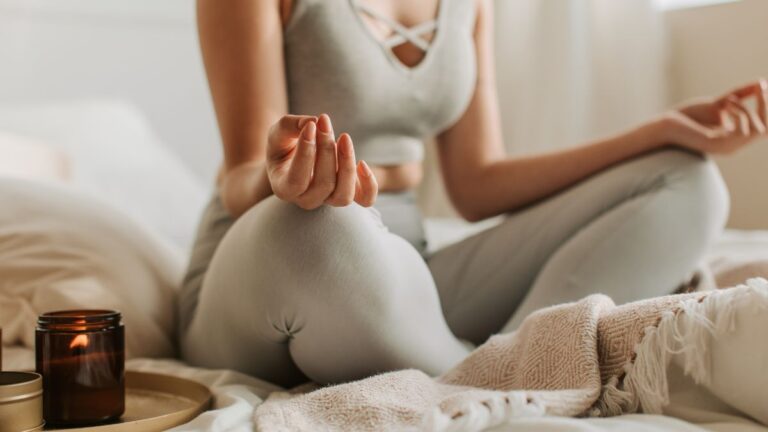
Natural Health and Wellness Tips

Incorporating natural health and wellness practices into your lifestyle is a fantastic way to enhance your physical, mental, and emotional well-being. These tips emphasize holistic approaches, focusing on the mind-body connection, natural remedies, and sustainable habits. They are simple, effective, and can easily fit into your daily routine.
Whether you’re looking to improve your energy levels, reduce stress, or simply live a healthier life, these natural health and wellness tips are here to guide you. Explore different methods and find what works best for your unique needs.
Stay Hydrated with Infused Water

Drinking enough water is essential for your body to function properly, but plain water can sometimes feel dull. Try infused water by adding fresh fruits, herbs, or vegetables. Options like cucumber and mint or lemon and ginger not only taste great but also provide additional nutrients.
Hydration is key to maintaining energy, flushing out toxins, and supporting healthy skin. Infused water makes it more enjoyable to drink the recommended 8–10 glasses daily, ensuring you stay hydrated effortlessly.
You can prepare a large batch in the morning and sip throughout the day. Use a reusable bottle to take your hydration habit on the go.
Practice Mindful Eating

Mindful eating encourages you to focus on your meals, savoring every bite and appreciating the flavors, textures, and smells. This practice helps you eat more slowly, reducing overeating and improving digestion.
Start by eliminating distractions like phones or TV while eating. Instead, pay attention to how the food makes you feel and whether you’re truly hungry or just eating out of habit.
Incorporate natural, whole foods into your meals. Choosing fresh fruits, vegetables, nuts, and seeds helps you maintain a balanced diet while connecting with the nourishing qualities of your food.
Incorporate Herbal Teas
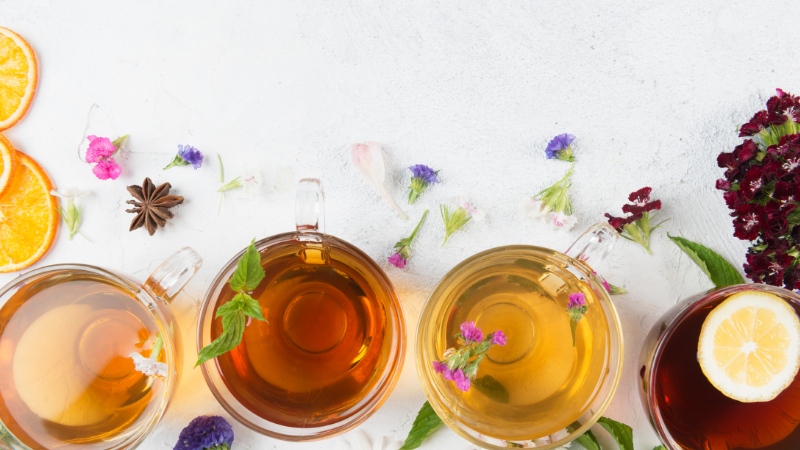
Herbal teas are a wonderful natural remedy for various health concerns. Chamomile tea can help with relaxation and better sleep, while ginger tea is excellent for digestion and combating nausea. Green tea is packed with antioxidants that boost immunity and support weight management.
Replace sugary drinks or coffee with herbal teas to reduce your caffeine and sugar intake. Experiment with different flavors to find your favorites.
Many herbal teas also have calming properties, making them a great addition to your self-care routine. Enjoy a warm cup in the evening to wind down after a busy day.
Spend Time in Nature

Connecting with nature is one of the simplest ways to boost your mental and physical well-being. Whether it’s a walk in the park, a hike, or gardening, spending time outdoors reduces stress, improves mood, and enhances creativity.
Exposure to natural sunlight helps your body produce vitamin D, which supports bone health and boosts your immune system. Aim for at least 20–30 minutes outside daily, weather permitting.
Consider incorporating outdoor activities into your exercise routine. Running or yoga in a natural setting adds a refreshing element to your workouts.
Use Essential Oils
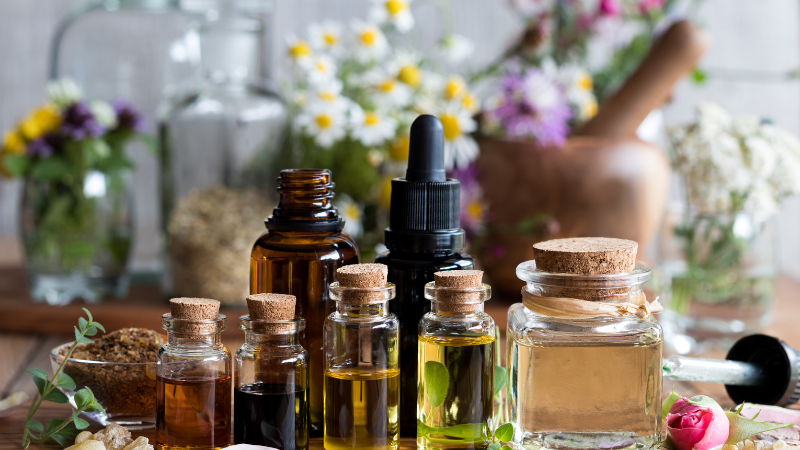
Essential oils offer a natural way to promote relaxation, relieve stress, and support overall wellness. Lavender oil is known for its calming properties, while peppermint oil can help with headaches and energy.
You can use essential oils in a diffuser to fill your space with soothing scents. Alternatively, dilute them with a carrier oil for a relaxing massage or add a few drops to your bath.
Always choose high-quality, therapeutic-grade oils, and do a patch test before applying them to your skin to ensure you don’t have an allergic reaction.
Prioritize Sleep Hygiene

Getting enough quality sleep is vital for your health. Natural remedies like establishing a bedtime routine, avoiding screens an hour before bed, and keeping your bedroom cool and dark can significantly improve your sleep.
Consider incorporating calming activities like reading, meditating, or drinking herbal tea before bed. These habits signal to your body that it’s time to wind down.
If you struggle with falling asleep, try natural supplements like melatonin or magnesium, but always consult with a healthcare professional before starting new supplements.
Practice Deep Breathing Exercises

Deep breathing exercises are a simple yet effective way to reduce stress and improve your overall well-being. Techniques like diaphragmatic breathing or the 4-7-8 method help lower your heart rate, calm your mind, and enhance focus.
You can practice deep breathing anywhere, whether you’re at work, in traffic, or winding down at home. Just a few minutes a day can make a noticeable difference in how you handle stress.
Pair deep breathing with meditation for an even greater sense of relaxation and mindfulness. Apps or guided videos can help you get started if you’re new to the practice.
Add Superfoods to Your Diet

Superfoods like chia seeds, quinoa, kale, and blueberries are packed with nutrients that support overall health. They’re easy to incorporate into your meals and can boost energy, improve digestion, and enhance your immune system.
Try adding a handful of berries to your morning oatmeal or blending spinach into your smoothies. These small changes can have a big impact over time.
Rotate your superfoods to enjoy a variety of nutrients and keep your meals interesting. Eating the rainbow ensures you’re getting a wide range of vitamins and minerals.
Limit Processed Foods

Processed foods are often loaded with preservatives, unhealthy fats, and added sugars that can negatively impact your health. Opt for whole, natural foods whenever possible.
Cooking at home gives you full control over what goes into your meals. Use fresh ingredients and experiment with spices and herbs to enhance flavors naturally.
Meal prepping can help you avoid the temptation of reaching for convenience foods. Prepare healthy snacks and meals in advance to stay on track with your wellness goals.
Stay Active with Functional Exercises

Functional exercises mimic everyday movements, helping you build strength, improve balance, and prevent injuries. Examples include squats, lunges, and push-ups.
You don’t need fancy equipment or a gym membership—these exercises can be done at home with just your body weight. Start with a few repetitions and gradually increase as you gain strength.
Incorporating functional exercises into your routine ensures that your body stays agile and ready to handle daily activities more efficiently.
Use Natural Skincare
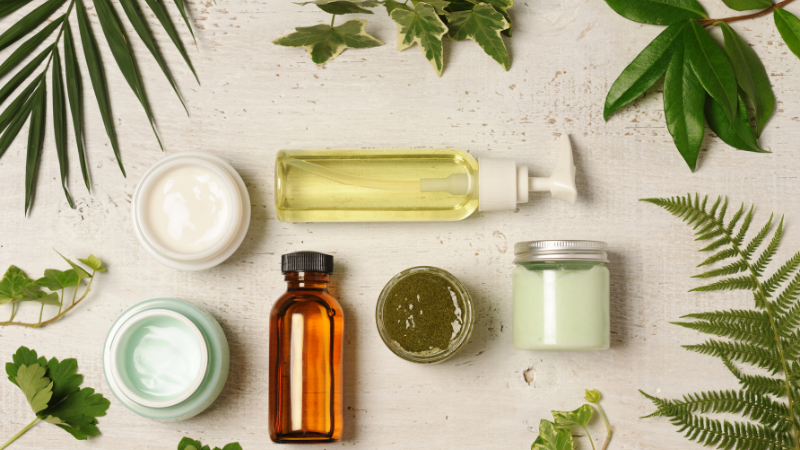
Switching to natural skincare products reduces your exposure to harmful chemicals and supports healthier skin. Look for products with ingredients like aloe vera, shea butter, and coconut oil.
You can also make your own skincare treatments at home. For example, use honey as a face mask for hydration or create a sugar scrub for gentle exfoliation.
Hydrate your skin from within by drinking plenty of water and eating foods rich in antioxidants and healthy fats, like avocados and walnuts.
Try Yoga or Pilates

Yoga and Pilates are excellent for enhancing flexibility, building strength, and reducing stress. Both practices emphasize controlled movements and mindfulness, making them ideal for overall wellness.
You can start with beginner-friendly routines available online or join a class for more personalized guidance. Just a few sessions a week can lead to noticeable improvements in posture and core strength.
These practices also promote mental clarity and relaxation, helping you maintain a balanced lifestyle.
Cultivate a Gratitude Practice

Gratitude is a powerful tool for improving mental health and fostering a positive outlook on life. Take a few minutes each day to reflect on what you’re thankful for, whether it’s a supportive friend, a beautiful sunset, or a delicious meal.
Keeping a gratitude journal can help you focus on the good things in your life. Write down three things you’re grateful for each day to create a habit of positivity.
This practice can reduce stress, improve relationships, and enhance overall happiness, making it a simple yet impactful addition to your wellness routine.