Plant-Based Nutrition Ideas
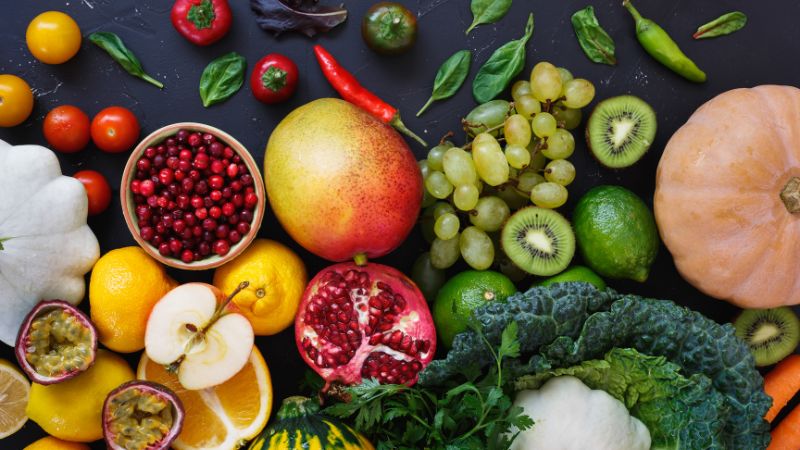
Plant-based nutrition is rapidly gaining popularity as more people seek healthier, more sustainable eating habits. Whether you’re a seasoned vegan or just curious about incorporating more plant-based meals into your diet, the benefits are undeniable. From improving heart health to reducing your environmental footprint, a plant-based approach to eating offers a variety of perks that make it worth exploring.
Transitioning to a plant-based lifestyle doesn’t have to be overwhelming. With a little planning and creativity, you can enjoy a diverse array of meals rich in flavor, nutrients, and satisfaction. This article explores practical and delicious plant-based nutrition ideas, helping you craft meals that nourish your body and delight your taste buds.
The Basics of Plant-Based Eating
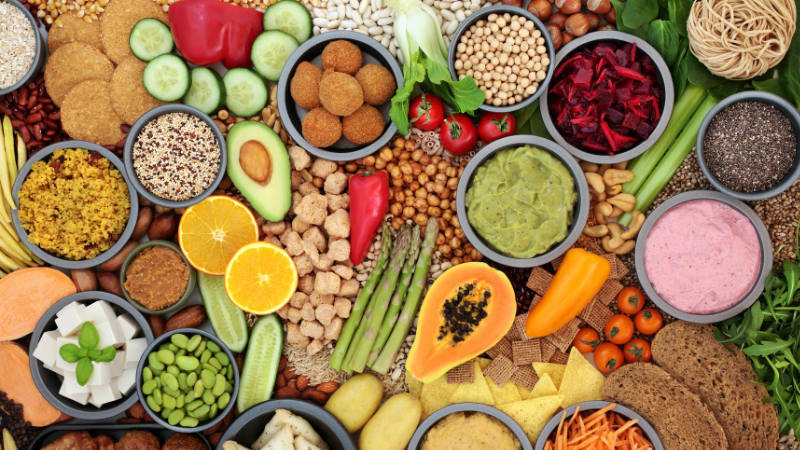
Plant-based eating focuses on foods that come from plants, such as fruits, vegetables, whole grains, legumes, nuts, and seeds. While it can exclude animal products entirely, it doesn’t have to; even a diet with fewer animal-based foods and more plant-based options can yield significant health benefits.
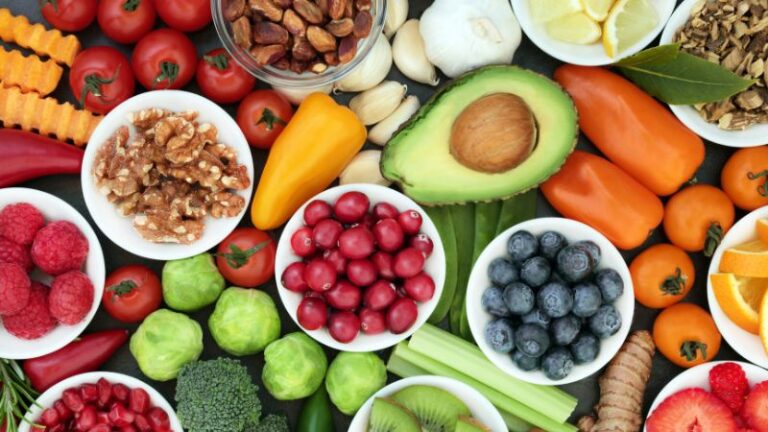
One key aspect of plant-based nutrition is variety. Eating a wide range of plant foods ensures you get all the essential vitamins, minerals, and antioxidants your body needs. A colorful plate isn’t just visually appealing—it’s also a sign that you’re consuming a broad spectrum of nutrients.
It’s important to plan meals thoughtfully to ensure you’re meeting your protein and nutrient needs. Thankfully, there are countless plant-based protein sources, like beans, lentils, tofu, and quinoa, that can seamlessly replace meat in your meals.
High-Protein Plant-Based Foods
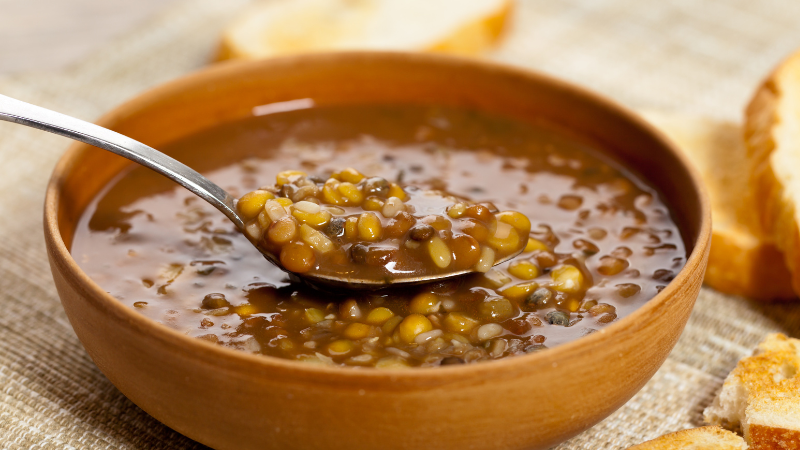
Protein is a vital component of any diet, and plant-based options can provide plenty of it. Lentils, for example, are not only high in protein but also rich in fiber, which supports digestion and keeps you feeling full longer. Adding lentils to soups, salads, or even tacos is an easy way to boost your protein intake.
Another excellent source of plant protein is chickpeas. These versatile legumes can be roasted for a crunchy snack, blended into hummus, or added to curries and stews. They’re also rich in iron and folate, making them a nutritional powerhouse.
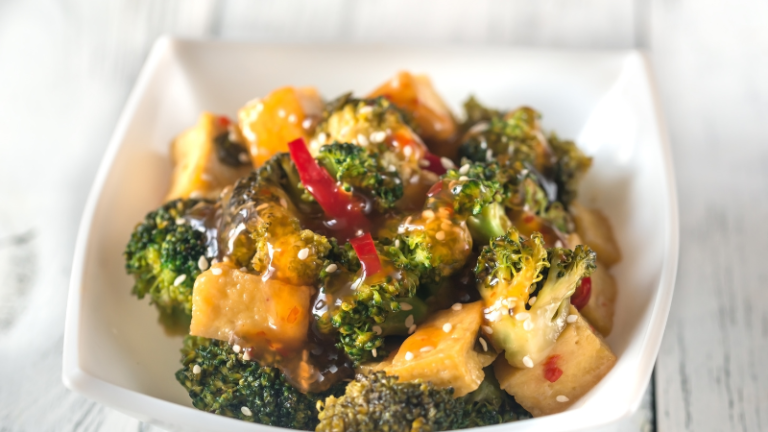
Tofu and tempeh are popular among plant-based eaters because of their adaptability in recipes. Tofu takes on the flavor of the ingredients it’s cooked with, making it perfect for stir-fries, scrambles, and marinades. Tempeh, on the other hand, has a firmer texture and a nutty flavor that works well in sandwiches, salads, or as a meat substitute.
Creative Plant-Based Breakfast Ideas
Breakfast is an excellent opportunity to start your day with a plant-based boost. A classic option is oatmeal, topped with fresh fruits, nuts, and seeds. Not only is oatmeal hearty and filling, but it’s also loaded with fiber and can be customized to your taste.
Smoothie bowls are another fantastic plant-based breakfast idea. Blend together frozen fruits, a plant-based milk, and some leafy greens for a nutrient-packed base. Top your bowl with granola, chia seeds, and sliced bananas for added texture and nutrients.
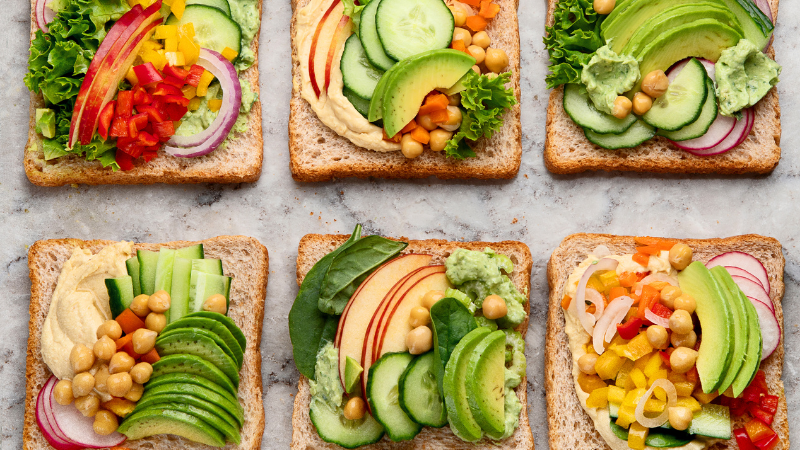
For something savory, consider avocado toast with a twist. Top whole-grain bread with smashed avocado, cherry tomatoes, and a sprinkle of nutritional yeast for a cheesy flavor. Adding a sprinkle of hemp seeds or microgreens can enhance both the taste and nutritional profile.
Plant-Based Lunch Options
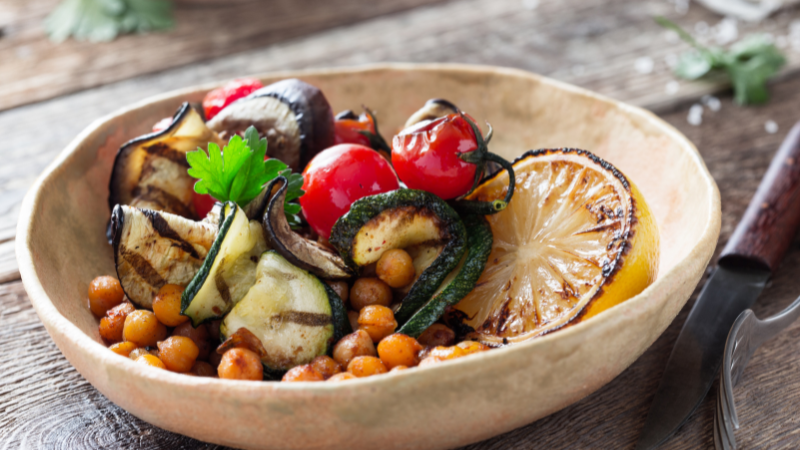
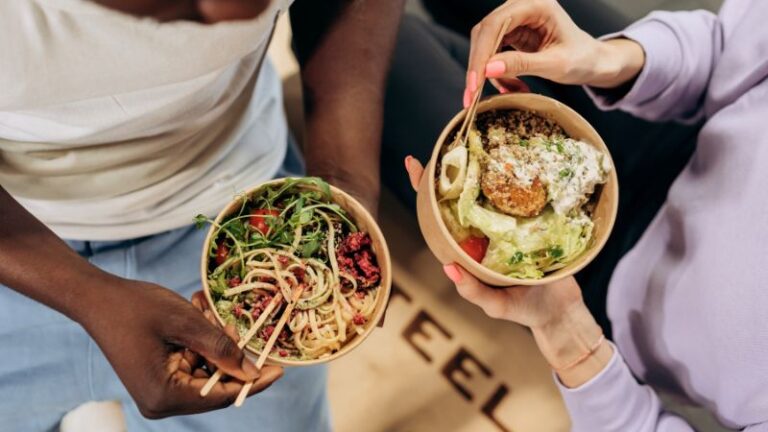
A nourishing plant-based lunch can keep you energized throughout the day. Buddha bowls are a go-to option, consisting of a mix of grains, vegetables, protein, and a delicious sauce. Start with a base like quinoa or brown rice, add roasted veggies, and top with chickpeas or edamame.
Wraps and sandwiches can also be made plant-based with ease. Swap out deli meats for grilled or roasted veggies, hummus, and fresh greens. Add some avocado or a handful of nuts for healthy fats that help you stay full.
Soups and stews are another excellent choice. Lentil soup, minestrone, or a hearty vegetable stew can be made in advance and packed for a quick, satisfying lunch. Pair it with a slice of whole-grain bread for a complete meal.
Dinner Ideas for Plant-Based Eating
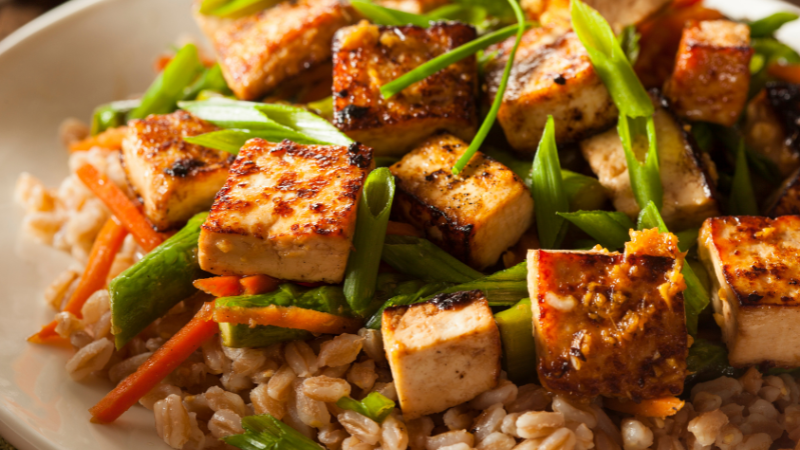
Dinner is the perfect time to get creative with plant-based ingredients. Stir-fries are quick and versatile, allowing you to use whatever vegetables and proteins you have on hand. Add tofu, tempeh, or a handful of cashews for added protein and texture.
Plant-based pasta dishes are another crowd-pleaser. Use lentil or chickpea pasta for extra protein, and top it with a homemade marinara or creamy cashew sauce. Adding sautéed spinach, mushrooms, or roasted tomatoes can elevate the flavor profile.
For a heartier meal, consider making veggie-packed casseroles or baked dishes. Stuffed bell peppers, eggplant parmesan, or a vegan shepherd’s pie are excellent options that can be made in large batches and enjoyed throughout the week.
Snacks and Small Bites
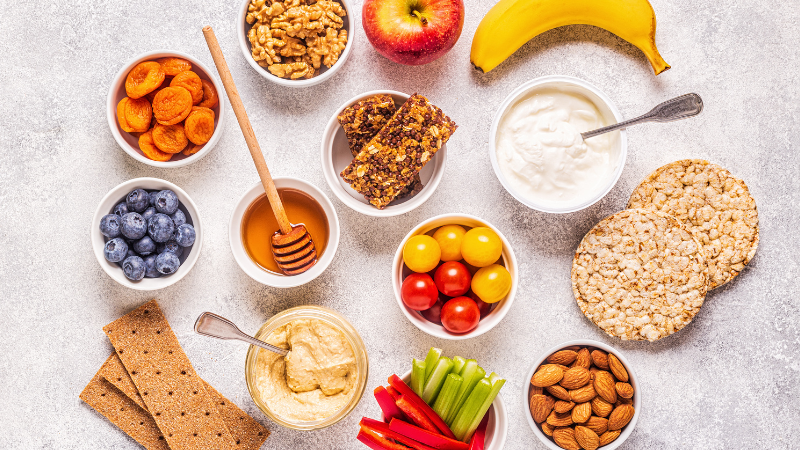
Plant-based snacks can be just as satisfying as their traditional counterparts. Roasted chickpeas are a crunchy, protein-rich snack that’s easy to prepare at home. Simply toss chickpeas with your favorite spices and bake until crispy.
Veggies with hummus or guacamole make for a refreshing and nutrient-packed snack. Carrot sticks, cucumber slices, and bell pepper strips are perfect for dipping and can be prepped in advance for convenience.
For something sweet, energy balls made with dates, nuts, and cocoa powder are a great option. These no-bake treats are easy to customize with ingredients like shredded coconut, chia seeds, or dried fruit.
Balancing Nutrients in a Plant-Based Diet
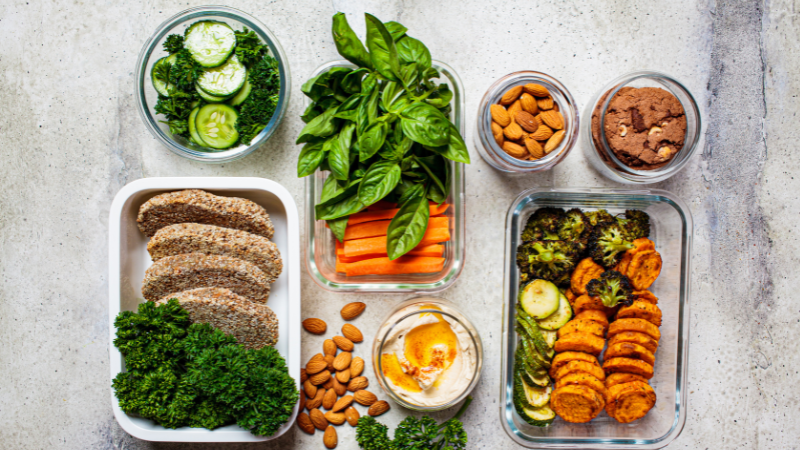
A balanced plant-based diet requires a little planning to ensure all your nutrient needs are met. Iron, for example, can be obtained from dark leafy greens, lentils, and fortified cereals. Pairing these foods with vitamin C-rich options like oranges or bell peppers can enhance iron absorption.
Calcium is another essential nutrient often associated with dairy, but it’s abundant in plant-based sources like fortified plant milks, tofu, almonds, and leafy greens. Including a variety of these foods in your diet can help maintain strong bones and teeth.
Vitamin B12, which is mainly found in animal products, is crucial for plant-based eaters. Look for fortified foods like nutritional yeast or plant-based milks, and consider a supplement if needed to ensure you’re meeting your requirements.
Dessert Ideas for Plant-Based Diets
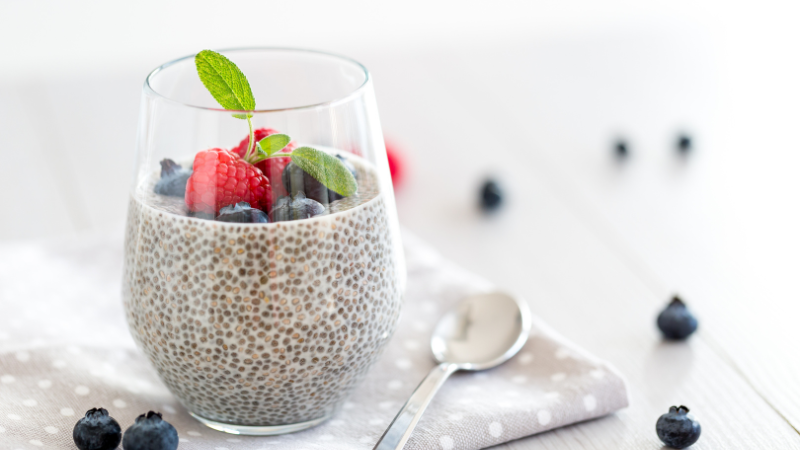
Desserts can be indulgent and plant-based at the same time. A classic example is chia seed pudding, made with chia seeds, plant-based milk, and your favorite natural sweetener. Top it with fresh fruit for an added burst of flavor.
Another delicious option is banana “nice cream.” Simply blend frozen bananas with a splash of plant-based milk for a creamy, ice-cream-like dessert. Add cocoa powder, peanut butter, or berries for variety.
Baked goods can also be made plant-based with simple substitutions. Use flax or chia seeds as egg replacements, and opt for plant-based milks and oils instead of dairy. Vegan brownies, cookies, and muffins are just as delicious as their traditional counterparts.
Benefits of Plant-Based Nutrition

Adopting a plant-based diet offers numerous health benefits. It’s been shown to lower the risk of heart disease, improve blood sugar levels, and aid in weight management. The high fiber content in plant-based foods supports digestion and promotes a healthy gut.
A plant-based lifestyle can also positively impact the environment. By reducing reliance on animal agriculture, you’re contributing to lower greenhouse gas emissions, conserving water, and protecting natural ecosystems.
Finally, plant-based eating encourages creativity in the kitchen. Experimenting with new ingredients and recipes can make meals more exciting and help you discover flavors and textures you may not have explored before.
Conclusion
Plant-based nutrition is more than just a trend—it’s a sustainable and healthful way to nourish your body and care for the planet. With so many delicious options to choose from, incorporating plant-based meals into your diet can be both enjoyable and rewarding. Whether you start small or go all-in, the journey to plant-based eating is filled with opportunities for growth, discovery, and better health.