Embracing a Healthy Lifestyle for Men

Living a healthy lifestyle is crucial for everyone, but it’s particularly vital for men who face unique health challenges and risks as they age. Key components such as a balanced diet, regular physical activity, and sufficient sleep play a significant role in maintaining overall well-being. A proactive approach to health can help mitigate issues like heart disease, diabetes, and mental health struggles, which are more prevalent among men.
Adopting a healthy lifestyle doesn’t just combat diseases; it also enhances quality of life, boosts energy levels, and improves mood. By incorporating straightforward habits into daily routines, men can significantly improve their health outcomes. This guide outlines ten essential aspects of a healthy lifestyle tailored specifically for men.
Balanced Nutrition
Eating a balanced diet is fundamental for good health. Men should focus on incorporating a variety of nutrients from whole grains, lean proteins, and a plethora of fruits and vegetables. This diversity ensures the intake of essential vitamins and minerals necessary for body functions and disease prevention.
Portion control is another critical aspect. Overeating, even healthy foods, can lead to weight gain and related health issues. Understanding serving sizes and listening to hunger cues can help men maintain a healthy weight.
It’s also important for men to limit the intake of processed foods and high sugar beverages. Opting for water, tea, or coffee without added sugars, and choosing whole foods over packaged ones can make a significant difference in overall health.
Regular Exercise
Regular physical activity is crucial for maintaining a healthy weight, building muscle mass, and reducing the risk of chronic diseases like heart disease and diabetes. Men should aim for at least 150 minutes of moderate aerobic activity or 75 minutes of vigorous activity each week, along with muscle-strengthening exercises on two or more days a week.
Exercise doesn’t have to be monotonous; it can include a variety of activities that men enjoy, which increases the likelihood of sticking with a routine. Whether it’s cycling, swimming, or playing a team sport, the key is to stay active.
Incorporating flexibility and balance exercises as men age can also be beneficial. Activities like yoga or tai chi can improve flexibility, reduce stress, and enhance overall physical health.
Adequate Sleep
Sleep is a critical but often neglected component of overall health. Men should aim for 7-9 hours of quality sleep per night to function optimally. Poor sleep is linked to various health problems, including obesity, heart disease, diabetes, and depression.
Creating a sleep-conducive environment can enhance sleep quality. This includes minimizing noise and light, and maintaining a comfortable temperature in the bedroom. Avoiding stimulants like caffeine and electronic devices before bed can also help.
Establishing a regular sleep schedule promotes better sleep patterns. Going to bed and waking up at the same time every day, even on weekends, can significantly improve sleep quality over time.
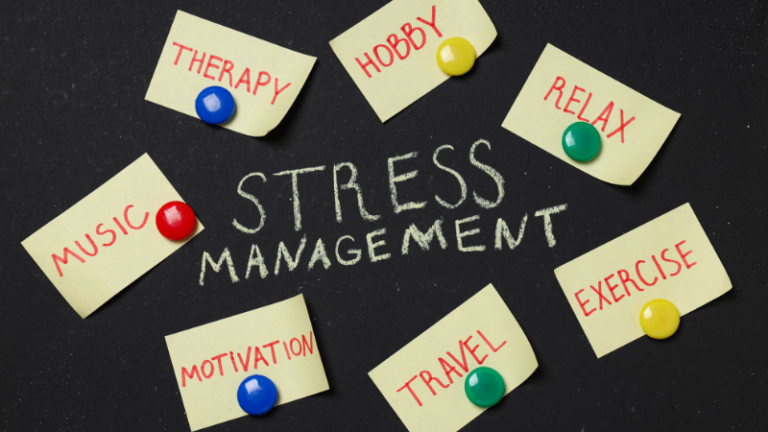
Stress Management
Managing stress is essential for maintaining mental and physical health. Chronic stress can lead to serious health issues such as heart disease, hypertension, depression, and obesity. Men should identify stressors in their lives and find healthy ways to cope with them.
Regular physical activity is an effective stress reliever. It not only improves physical health but also releases endorphins, chemicals in the brain that act as natural painkillers and mood elevators.
Techniques such as mindfulness, meditation, and deep-breathing exercises can also help men manage stress. These practices encourage a state of relaxation and can improve overall mental well-being.
Regular Health Check-ups
Regular health check-ups are crucial for detecting potential health issues early. Men should schedule annual visits with their healthcare provider to get routine blood tests, screenings, and vaccinations. These check-ups can help catch problems like high blood pressure, high cholesterol, or cancers early when they are most treatable.
It’s important for men to be honest with their healthcare providers about their lifestyle and any symptoms they’re experiencing. Open communication can help the provider recommend the best strategies for maintaining or improving health.
Men should also be aware of their family health history and discuss these details with their provider. This knowledge can help predict the risk of certain diseases and prompt early preventive measures.
Healthy Relationships
Maintaining healthy relationships is beneficial for mental and emotional well-being. Strong connections with family and friends provide emotional support, reduce stress, and increase longevity. Men should strive to cultivate and maintain these relationships through regular communication and quality time together.
Participating in community activities can also enhance a man’s social network and provide a sense of belonging and purpose. Whether it’s volunteering, joining a club, or attending community events, being active in the community can lead to fulfilling relationships and improved mental health.
For romantic relationships, communication and honesty are key. These elements foster trust and understanding, which are foundational for a healthy partnership. Investing time and effort into these relationships can bring numerous emotional and physical health benefits.
Moderate Alcohol Consumption
Moderation is key when it comes to alcohol consumption. Excessive drinking can lead to numerous health issues, including liver disease, heart disease, and an increased risk of accidents. Men should limit their intake to no more than two drinks per day as recommended by health experts.
Understanding the effects of alcohol on the body and recognizing the signs of excessive drinking are important for maintaining health. If alcohol is becoming a problem, seeking help early can prevent more severe health issues later on.
Socializing doesn’t always have to involve alcohol. Exploring other activities that don’t involve drinking, such as sports, hiking, or attending cultural events, can reduce reliance on alcohol for social interaction.
Smoking Cessation
Smoking is one of the leading causes of preventable death worldwide. Quitting smoking is essential for reducing the risk of serious health issues such as lung cancer, heart disease, and stroke. Men who smoke should seek resources and support for smoking cessation.
Nicotine replacement therapies, such as patches, gum, or lozenges, can help ease the symptoms of nicotine withdrawal. Prescription medications and support groups can also be beneficial.
Creating a quit plan that includes setting a quit date, identifying triggers, and planning alternatives can increase the chances of success. Support from family and friends can also play a critical role in overcoming addiction.
Hydration
Staying hydrated is essential for maintaining the function of every system in the body, including the heart, brain, and muscles. Men should drink at least 8-10 glasses of water a day, more if they are active or live in hot climates.
Understanding the signs of dehydration, such as dry mouth, fatigue, and dizziness, can help men take action before more serious health issues arise. Water is the best choice for staying hydrated; it’s calorie-free, caffeine-free, and hydrating.
Besides water, consuming foods with high water content, such as fruits and vegetables, can contribute to overall hydration levels. These foods also provide essential nutrients that support health.
Mental Health Awareness
Mental health is as important as physical health. Men should not ignore signs of mental distress such as persistent sadness, anxiety, or changes in mood. Seeking professional help when experiencing these symptoms is crucial for maintaining overall well-being.
Breaking the stigma around mental health is important. Men should feel comfortable discussing their mental health without fear of judgment. This can encourage more men to seek help when needed.
Regular exercise, a healthy diet, and adequate sleep all contribute to better mental health. Engaging in hobbies and activities that bring joy can also improve one’s mood and reduce the risk of mental health disorders.