13 Supplements That Help Your Skin Look and Feel Better
Healthy skin starts from within. While good skincare helps, what you eat and the nutrients you get play a big role. Some supplements give your skin the extra support it needs to stay smooth, hydrated, and glowing.
Here are 13 supplements that can improve skin health and keep it looking its best.
Vitamin C
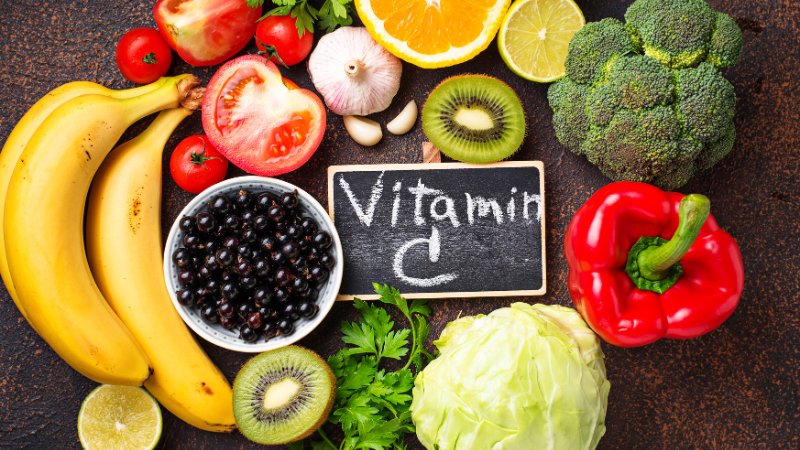
Vitamin C is essential for collagen production. This protein keeps skin firm and helps with wound healing. It also protects against sun damage and brightens skin tone.
You can find vitamin C in citrus fruits, bell peppers, and leafy greens, but taking a supplement ensures you get enough. It also helps fade dark spots and reduce wrinkles.
For best results, look for a supplement with ascorbic acid or a liposomal form, which helps with absorption.
Vitamin E
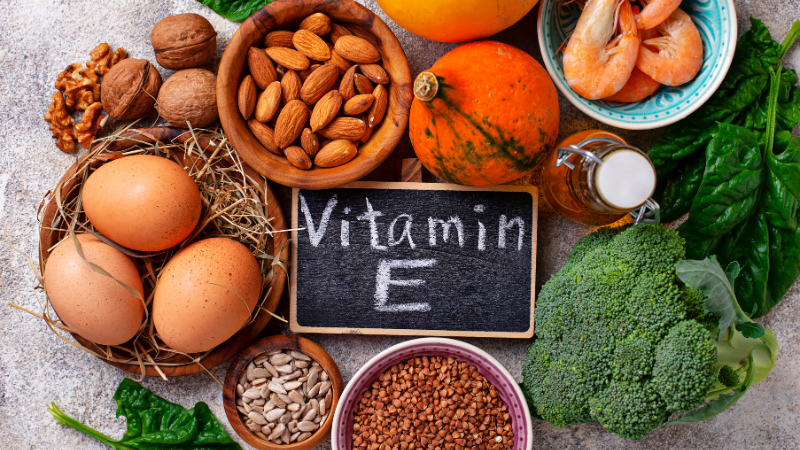
Vitamin E acts as a strong antioxidant, protecting skin from damage. It fights free radicals that can cause premature aging. It also helps the skin hold onto moisture.
This vitamin is found in nuts, seeds, and green vegetables, but supplements can give an extra boost. Vitamin E is also known for soothing dry or irritated skin.
For best results, take it with vitamin C, as they work well together to protect the skin from aging.
Collagen
Collagen is the main protein that keeps skin firm and elastic. As we age, collagen levels drop, leading to wrinkles and sagging skin.
Collagen supplements, usually in powder or capsule form, help restore this protein. Studies show they improve skin hydration, elasticity, and smoothness.
Look for hydrolyzed collagen peptides, as they are easier for the body to absorb.
Omega-3 Fatty Acids
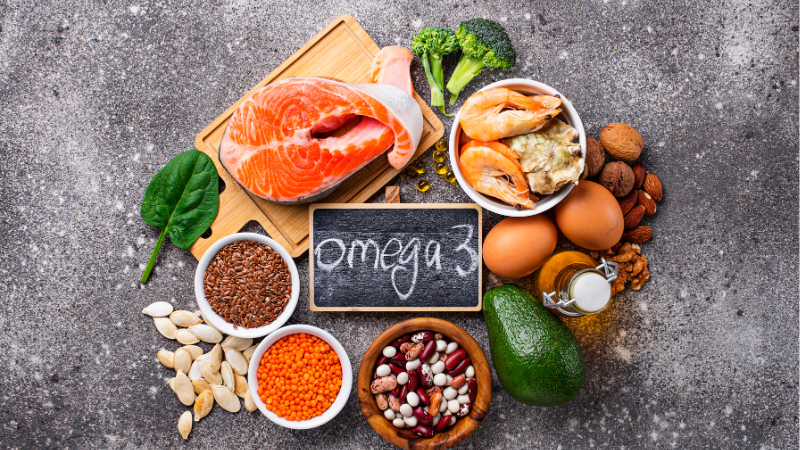
Omega-3s help keep skin hydrated and reduce inflammation. They are found in fatty fish, flaxseeds, and walnuts.
These healthy fats strengthen the skin barrier, preventing dryness and irritation. They also help with conditions like eczema and psoriasis.
If you don’t eat enough fish, a fish oil or algae-based omega-3 supplement is a great option.
Zinc
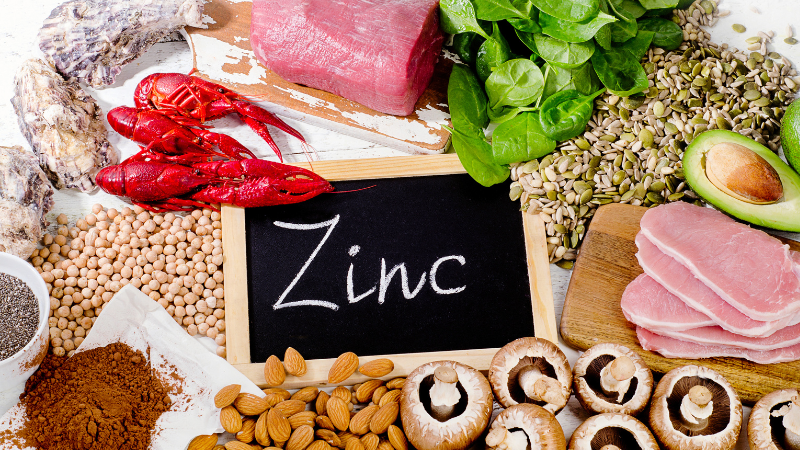
Zinc helps heal wounds, reduce acne, and control oil production. It also protects the skin from damage caused by UV rays and pollution.
People with acne often have lower zinc levels. Taking a supplement can help clear up breakouts and reduce redness.
Zinc is best absorbed when taken with food but not at the same time as calcium or iron, which can interfere with absorption.
Biotin
Biotin is a B vitamin that helps keep skin, hair, and nails strong. A deficiency can lead to dry, flaky skin and hair thinning.
Most people get enough biotin from food, but a supplement may help if you have brittle nails or dry skin.
Biotin works best when taken with other B vitamins, so a B-complex supplement may be a good choice.
Hyaluronic Acid
Hyaluronic acid helps the skin retain moisture, making it look plumper and smoother. It is naturally found in the body but decreases with age.
Taking it as a supplement improves skin hydration and reduces fine lines. It’s especially helpful for people with dry or mature skin.
For the best absorption, pair it with vitamin C, which helps the body use it more effectively.
Probiotics

A healthy gut leads to healthy skin. Probiotics help balance gut bacteria, which can improve conditions like acne, eczema, and rosacea.
They also reduce inflammation and strengthen the skin’s natural barrier. Many people notice clearer skin after adding probiotics to their routine.
Look for a supplement with a mix of Lactobacillus and Bifidobacterium strains, which are known to support skin health.
Coenzyme Q10 (CoQ10)
CoQ10 is an antioxidant that helps keep skin firm and smooth. It protects against damage from the sun and pollution.
As we age, our natural CoQ10 levels drop, leading to wrinkles and dull skin. Taking a supplement can boost energy in skin cells and slow down aging.
CoQ10 is best absorbed with healthy fats, so take it with a meal containing olive oil, nuts, or avocado.
Green Tea Extract
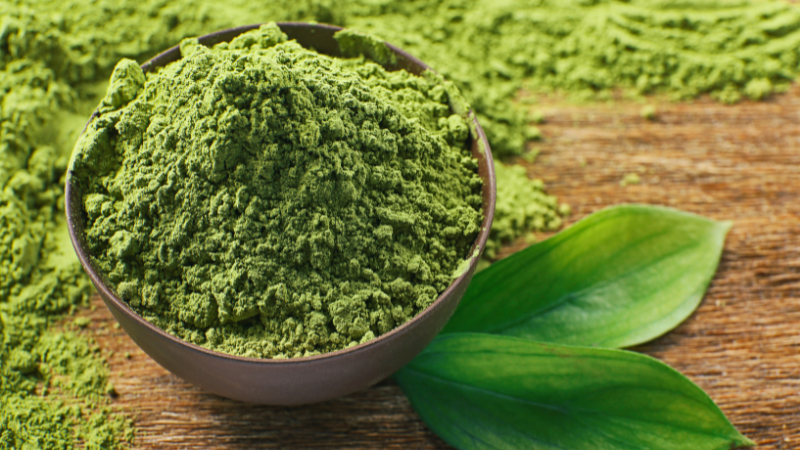
Green tea extract is packed with antioxidants that fight aging and reduce redness. It helps protect the skin from UV damage and may lower the risk of sunburn.
This supplement also improves hydration and reduces acne by controlling oil production.
If you don’t drink green tea daily, a supplement can provide the same benefits in a more concentrated form.
Selenium
Selenium is a powerful antioxidant that helps prevent skin aging. It protects against UV damage and keeps the skin elastic.
This mineral also plays a role in reducing inflammation and fighting acne. Low levels of selenium have been linked to dry skin and slower wound healing.
Brazil nuts are one of the best natural sources, but a small daily supplement can ensure you get enough.
Vitamin A
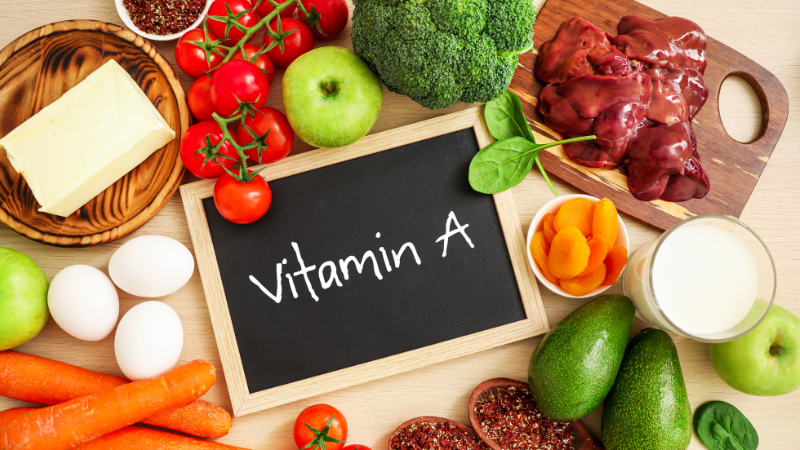
Vitamin A supports skin renewal and reduces wrinkles. It helps cells regenerate, keeping skin smooth and clear.
Retinol, a form of vitamin A, is commonly used in skincare. Taking it as a supplement can reduce acne, fade dark spots, and improve texture.
Since too much vitamin A can be harmful, it’s best to stick to recommended doses and not overdo it.
Silica
Silica helps maintain skin strength and elasticity. It supports collagen production and keeps skin hydrated.
It’s found in foods like cucumbers, oats, and bananas, but a supplement can help if you don’t get enough from your diet.
Silica also strengthens hair and nails, making it a great all-around beauty supplement.