Vitamins and Minerals Guide
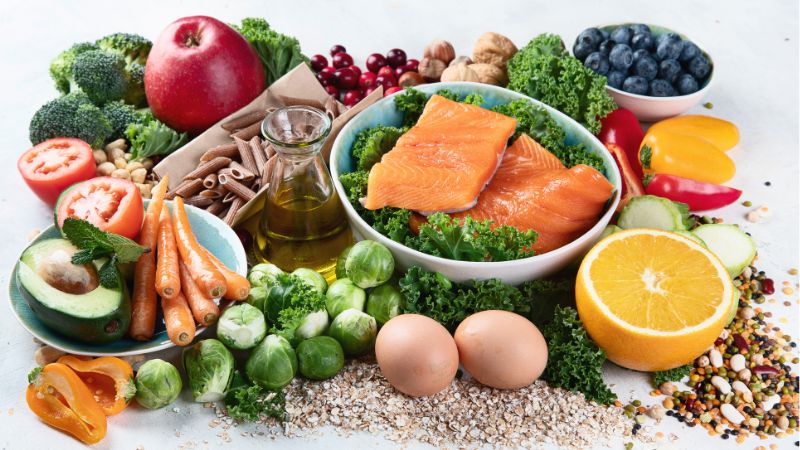
Many people want to feel better, look healthier, and have more energy. One way to do that is by understanding vitamins and minerals. These nutrients help our bodies stay strong, fight off illnesses, and perform tasks that keep us active. When we learn how vitamins and minerals work, we can make smarter choices about what we eat and how we take care of ourselves. This leads to better health and a brighter outlook on daily life.
Knowing the basics of vitamins and minerals does not have to be complicated. We can break them down into easy parts and focus on the nutrients that matter most to us. It is helpful to explore how they work, where to find them, and how they affect our well-being. When we do this, we feel more confident about our diets and any supplements we might consider.
What Are Vitamins and Why They Matter
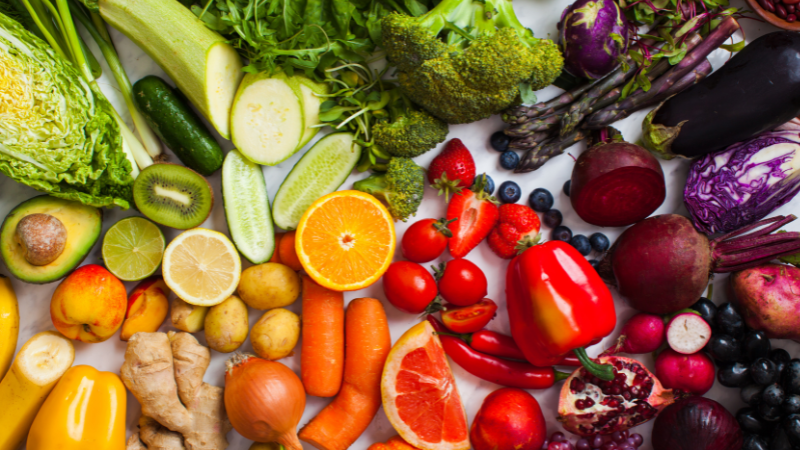
Vitamins are special nutrients that our bodies need in small amounts. They help with growth, cell repair, and many other functions that keep us healthy. When we do not get enough vitamins, our bodies can struggle to stay balanced. This can lead to low energy, weakened immunity, or other health issues that affect our daily routines.
There are different types of vitamins, and each one has its own role. Some vitamins help us see in dim light, while others support our immune system. By learning about the different vitamins, we can better understand why each one matters. This knowledge helps us notice if we are missing something important in our diet.
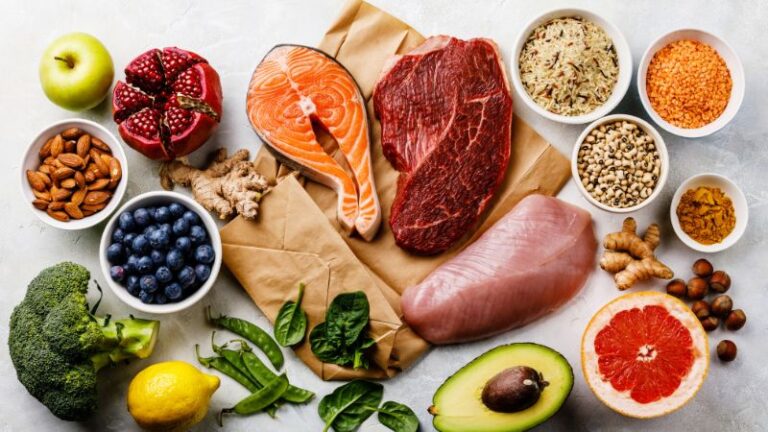
It is best to get vitamins from real food whenever possible. Fruits and vegetables are especially rich in these nutrients. Whole grains, lean proteins, and dairy products also offer valuable vitamins. Supplements can help fill in gaps, but real foods often provide extra benefits like fiber and other plant compounds that promote better overall health.
What Are Minerals and Why They Matter
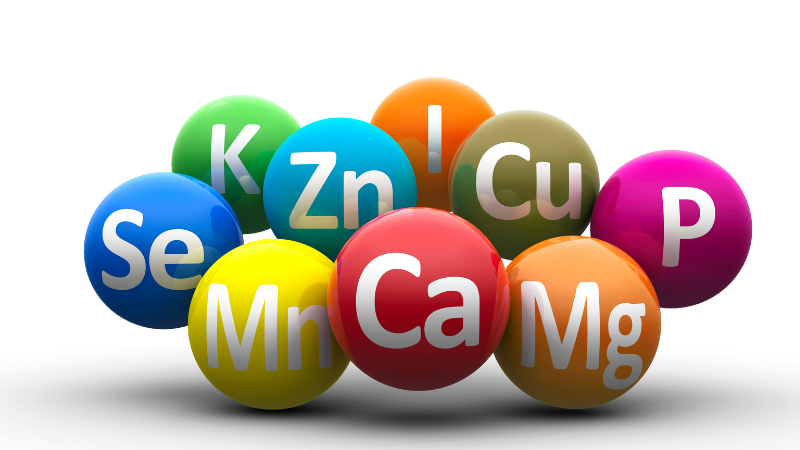
Minerals are building blocks that keep our bodies strong. They support our bones, teeth, muscles, and nerves. We cannot make minerals in our bodies, so we must get them from the foods we eat. They come in many forms, such as iron, calcium, and zinc, and each type has its own task.
Minerals work behind the scenes to keep our hearts pumping, muscles moving, and organs functioning. Some help with fluid balance, while others help carry oxygen in our blood. We might not always notice them, but these nutrients are essential for every stage of life.
When we run low on minerals, our bodies can show warning signs. We might feel tired, have muscle cramps, or experience other unwanted effects. A balanced diet with plenty of whole foods gives us the best chance of meeting our mineral needs. This includes fruits, vegetables, whole grains, and proteins like fish or beans.
How Vitamins and Minerals Work Together
Vitamins and minerals often team up to do their jobs. For example, vitamin C can help our bodies absorb iron more easily. Calcium also works well when paired with vitamin D. By understanding these connections, we learn how the foods we eat can improve the overall function of our bodies.
When nutrients join forces, we often see better results. Our bones may get stronger when we have both vitamin D and calcium in our diet. Our immune system may work better when certain vitamins and minerals are present together. Knowing these details can help us plan meals that maximize each nutrient’s benefits.
Even though they work hand in hand, each vitamin or mineral is unique. Some are water-soluble, which means the body does not store them for long. Others are fat-soluble and can stay in the body longer. By recognizing these differences, we can make sure we get the right balance for our needs.
Vitamin A
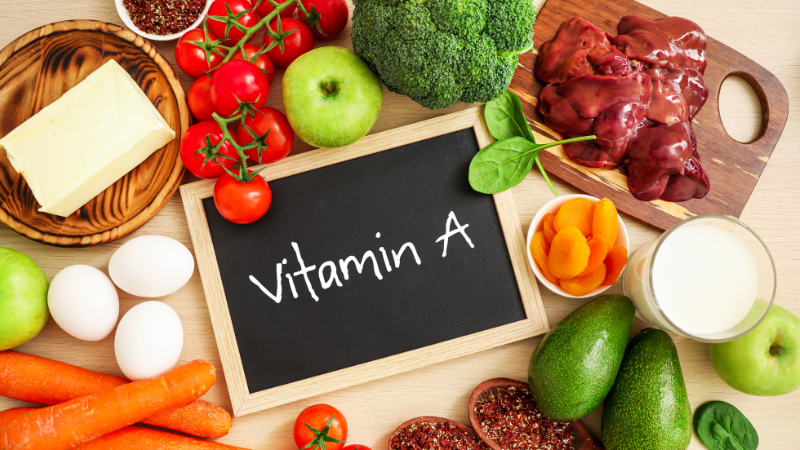
Vitamin A is known for helping us see in low-light conditions. It also supports healthy skin and the growth of cells and tissues. This vitamin can be found in foods like carrots, sweet potatoes, and leafy greens. These foods contain beta-carotene, which the body converts into vitamin A.
When we lack vitamin A, we might notice issues with our eyes. Some people experience dry eyes or trouble seeing at night. Skin problems and slow wound healing can also occur. Adding more vitamin A-rich foods to our diet helps prevent these concerns and supports overall eye and skin health.
Because vitamin A is fat-soluble, our body stores extra amounts. It is important not to exceed recommended levels, since too much can cause discomfort or health problems. If we focus on a balanced diet with colorful vegetables, we can get a healthy amount of vitamin A without overdoing it.
B Vitamins
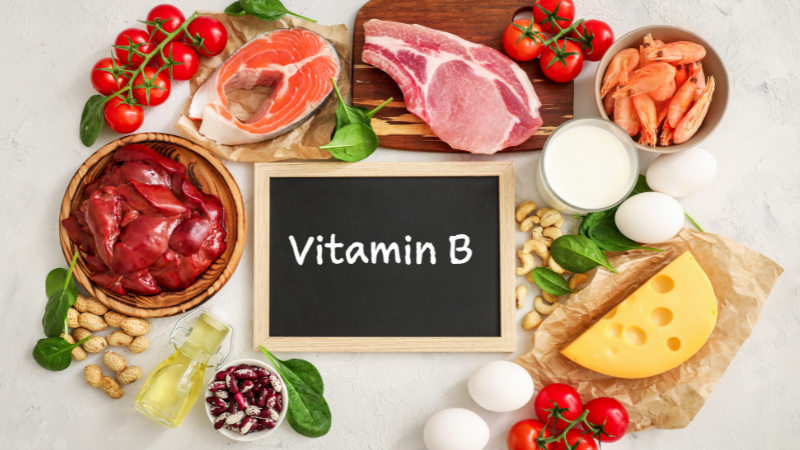
B vitamins are a group of nutrients that work together to keep our bodies energized. These include thiamin, riboflavin, niacin, pantothenic acid, vitamin B6, biotin, folate, and vitamin B12. They help turn the foods we eat into energy. They also support brain health and help produce red blood cells.
Many foods contain B vitamins, which makes them easier to get through a varied diet. Whole grains, beans, meats, eggs, and dairy products are good sources. Leafy greens and seeds also offer several B vitamins. When we eat a variety of these foods, we can often meet our needs without supplements.
Some people might need extra B vitamins under certain conditions. Those following a strict vegetarian or vegan diet may require extra vitamin B12. Pregnant women may need more folate for healthy fetal development. Speaking with a healthcare professional can help determine if a supplement would be beneficial.
Vitamin C
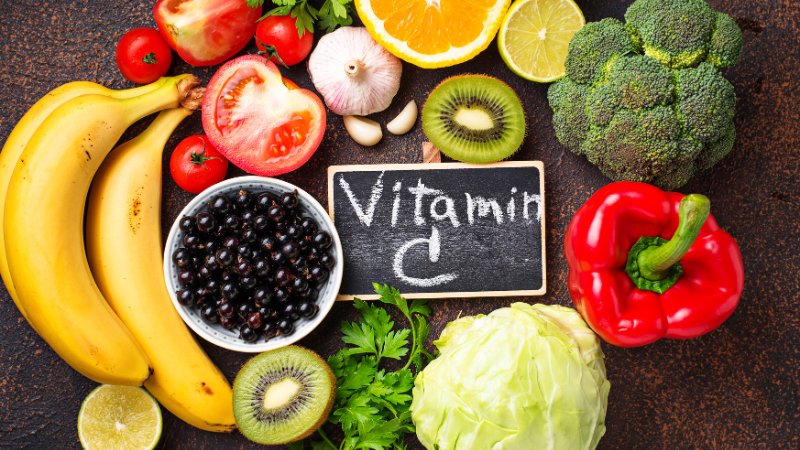
Vitamin C is well-known for its connection to the immune system. It helps our bodies fight off infections and assists in healing wounds. We can find it in citrus fruits like oranges and grapefruit, as well as in strawberries and bell peppers. Getting enough vitamin C is important for feeling our best each day.
This vitamin also helps the body absorb iron. When we combine vitamin C-rich foods with iron-rich foods, our bodies can use more of that iron. This is especially helpful for people who are prone to low iron levels. It is a simple way to make sure we are making the most of the nutrients in our meals.
Because vitamin C is water-soluble, our bodies do not store large amounts. We need to replenish it regularly through our diets. If we skip fruits and vegetables for a few days, we might feel tired or notice slower wound healing. Making an effort to include vitamin C sources in our meals is a good daily habit.
Vitamin D
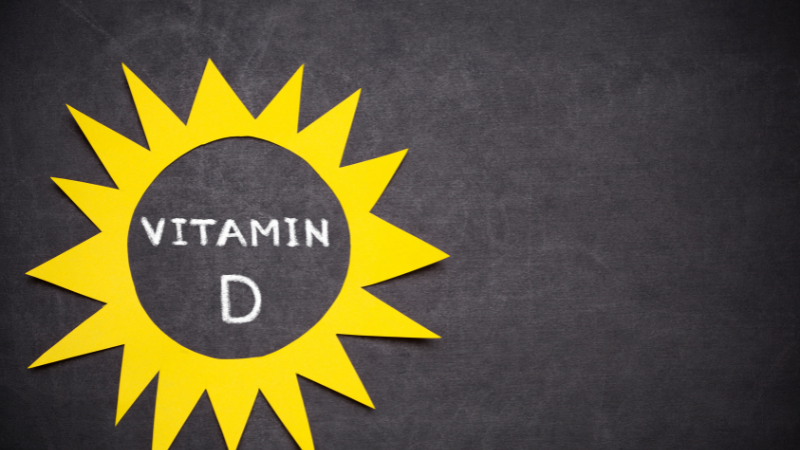
Vitamin D is sometimes called the sunshine vitamin. Our bodies can make it when our skin is exposed to sunlight. It helps us absorb calcium, which is important for building and maintaining strong bones. Without vitamin D, our bones might become weak or more prone to fractures.
Foods like fatty fish, egg yolks, and fortified milk also contain vitamin D. However, it can be hard to get enough from food alone. Many people rely on sunlight or supplements to meet their needs. If we live in a place with long winters or spend most of our time indoors, we might not get enough sunlight to make sufficient vitamin D.
When vitamin D is low, we might notice bone pain or muscle weakness. Over time, a lack of vitamin D can impact bone density and overall health. Spending a bit of time in the sun and including vitamin D-rich foods in our diet helps us maintain healthier bones and muscles.
Vitamin E
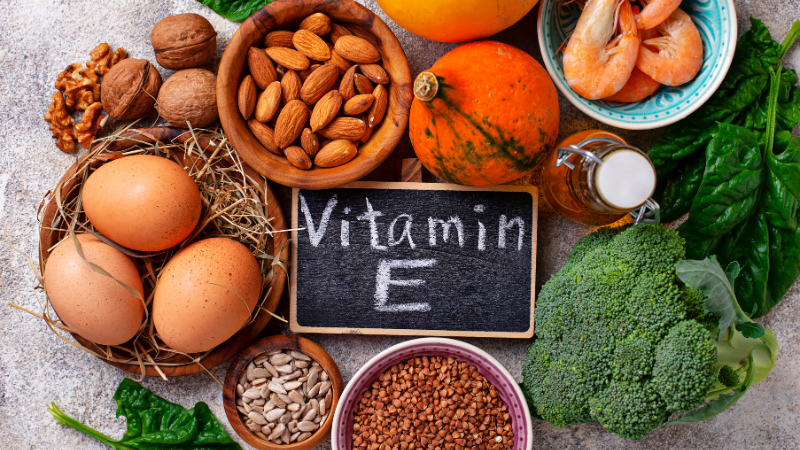
Vitamin E protects cells from damage by acting as an antioxidant. It supports our immune system and helps keep our skin looking healthy. Some people notice that vitamin E also benefits their hair. Foods like nuts, seeds, spinach, and avocado are good sources of this nutrient.
Because vitamin E is fat-soluble, our bodies can store it. However, it is still a good idea to include it regularly in our meals. Getting vitamin E from whole foods is typically better than relying on supplements. This is because whole foods provide other nutrients that help our bodies process vitamins more effectively.
Shortcomings with vitamin E can lead to issues like muscle weakness or vision problems. However, this is not very common in people who eat a variety of healthy foods. Adding almonds, seeds, or a bit of avocado to our daily routine can help us maintain healthy levels of vitamin E.
Calcium
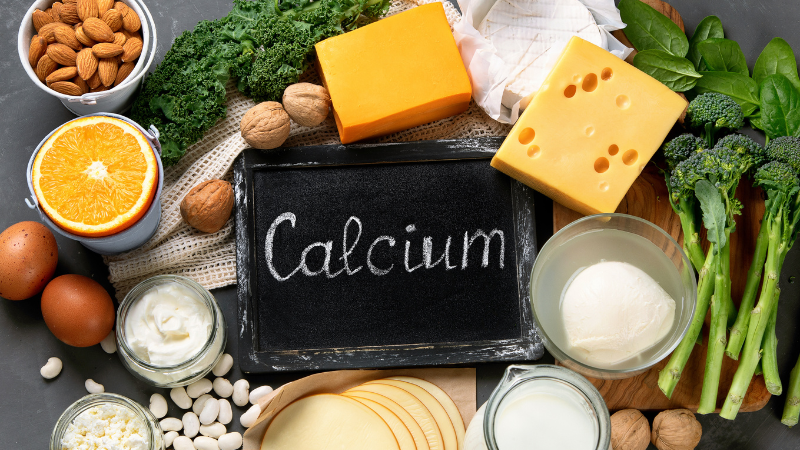
Calcium is famous for keeping bones and teeth strong. It also helps our muscles contract and our nerves function properly. We can find calcium in dairy products like milk, cheese, and yogurt. Some people turn to fortified plant-based milks or leafy greens if they avoid dairy.
Growing children and teens need plenty of calcium to build a strong foundation. Adults also require adequate amounts to keep bones healthy and reduce the risk of fractures later in life. Because calcium plays many roles, it is one of the most important minerals for overall health.
When we do not get enough calcium, our bodies might weaken bones by pulling calcium from them. This can lead to bone loss and other health concerns. Including calcium-rich foods or a supplement if needed helps keep our bones and teeth in top shape.
Iron
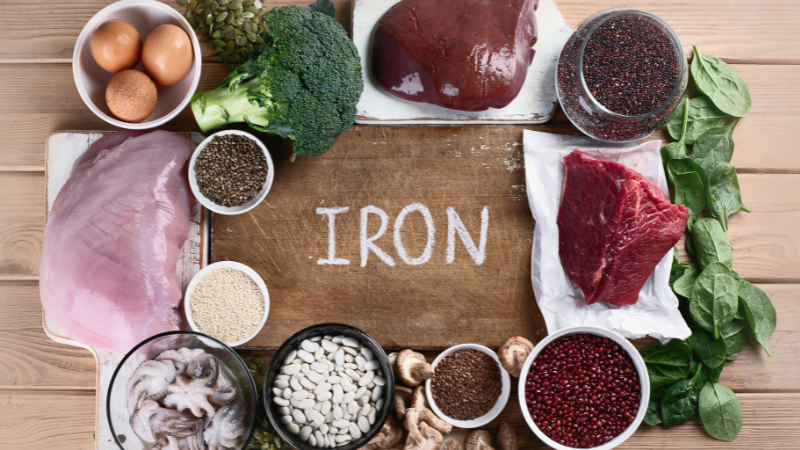
Iron helps carry oxygen in our blood. Without enough iron, we can feel tired and weak, and sometimes this can lead to anemia. We get iron from foods like red meat, beans, spinach, and lentils. There are two forms of iron in foods. One comes from animal sources, which is absorbed more easily. The other comes from plant sources.
Some people need extra iron, especially women during their childbearing years. This is because they lose iron through monthly cycles. Certain illnesses or diets can also make it harder to maintain healthy levels. It helps to pair iron-rich foods with vitamin C sources, like citrus fruits, to increase absorption.
When we do not get enough iron, our energy levels drop. We might notice frequent fatigue or dizziness. Checking our iron status can help us stay alert and active. If our doctor finds that our iron is low, a supplement or a change in diet can make a big difference.
Zinc
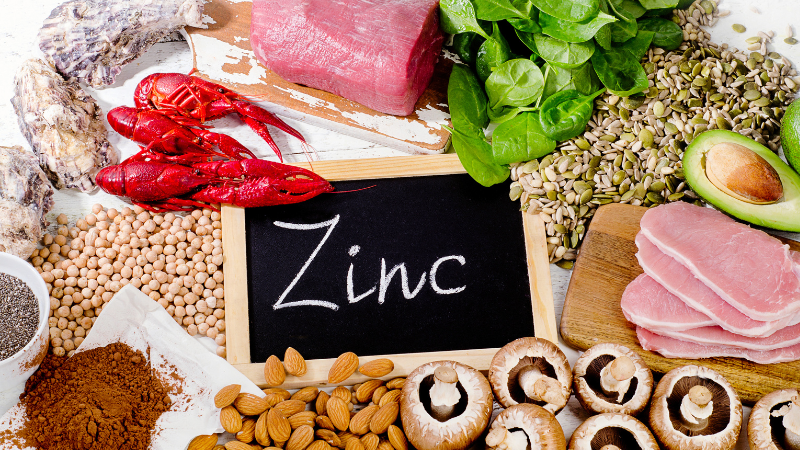
Zinc plays an important role in helping wounds heal and supporting our immune system. It also helps with cell growth and the function of some enzymes in our bodies. We can find zinc in foods like meat, shellfish, beans, and nuts. A balanced diet that includes a variety of protein sources helps ensure we get enough zinc.
When we do not have enough zinc, our bodies might struggle to repair damaged tissue, and our immune system could weaken. This could increase the risk of infections or slow the healing of cuts and scrapes. Adding foods like chickpeas, pumpkin seeds, and beef can help us keep our zinc levels in the right range.
It is possible to get too much zinc from supplements if we are not careful. High doses might cause nausea or reduce our absorption of other minerals. A better approach is to focus on foods that offer zinc naturally and only use supplements if recommended by a healthcare provider.
Magnesium
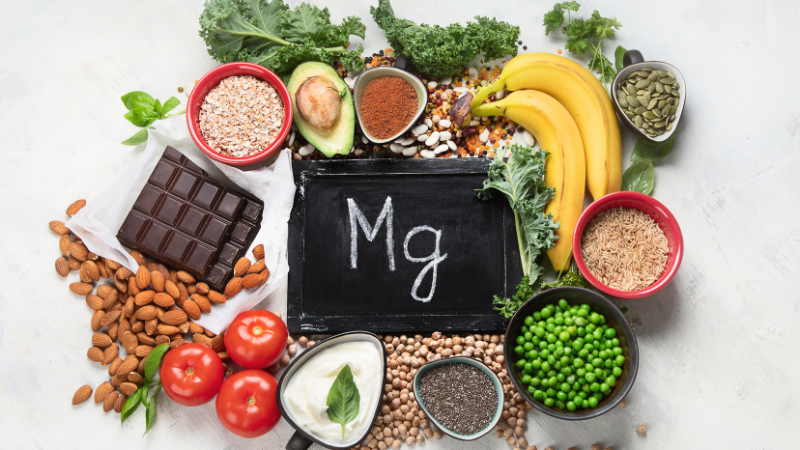
Magnesium helps with muscle and nerve function and supports our immune system. It also helps keep our heartbeat steady. We can find magnesium in leafy greens, nuts, seeds, and whole grains. Many people do not get enough magnesium, but it is easier to meet our needs when we include these foods regularly.
This mineral helps our body manage blood pressure and blood sugar. It also works alongside calcium, potassium, and other nutrients to keep everything in balance. When we lack magnesium, we might experience muscle cramps, weakness, or tiredness. These issues can feel subtle at first, but they may grow worse if we keep missing magnesium in our diet.
A handful of nuts or seeds each day can be an easy way to get more magnesium. Dark chocolate is also a source of magnesium, which is a pleasant surprise for many people. Just remember to enjoy it in moderation. By focusing on whole foods, we can maintain healthy magnesium levels without much effort.
Potassium
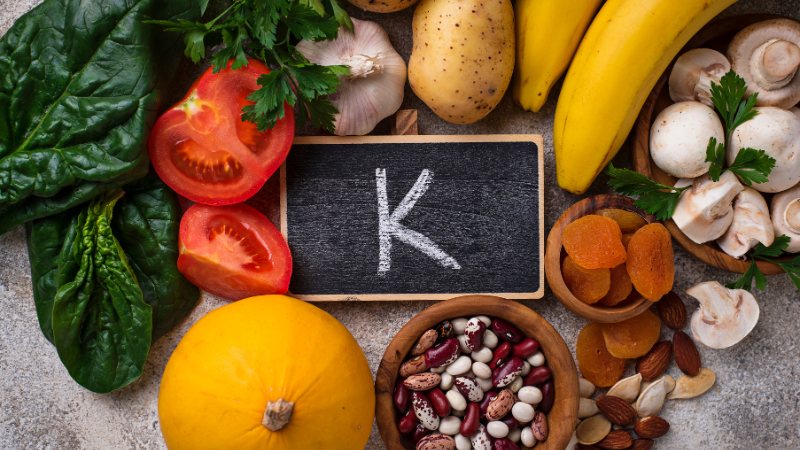
Potassium helps maintain fluid balance in our bodies and supports healthy muscles and nerves. It is involved in controlling our heartbeat and helps offset some of the effects of sodium on blood pressure. Foods like bananas, oranges, potatoes, and leafy greens provide potassium.
Most people benefit from a diet that has both potassium and lower sodium. This balance helps keep blood pressure in check. When we focus on fresh fruits and vegetables, our potassium intake naturally increases. It can make a big difference in how we feel and how our cardiovascular system functions.
Shortfalls in potassium may cause weakness, fatigue, or muscle cramps. Severe cases might lead to irregular heartbeats. This is why getting enough potassium is important for everyone, but especially for those who have blood pressure concerns. By choosing whole, unprocessed foods, we can easily maintain a healthy potassium level.
Phosphorus
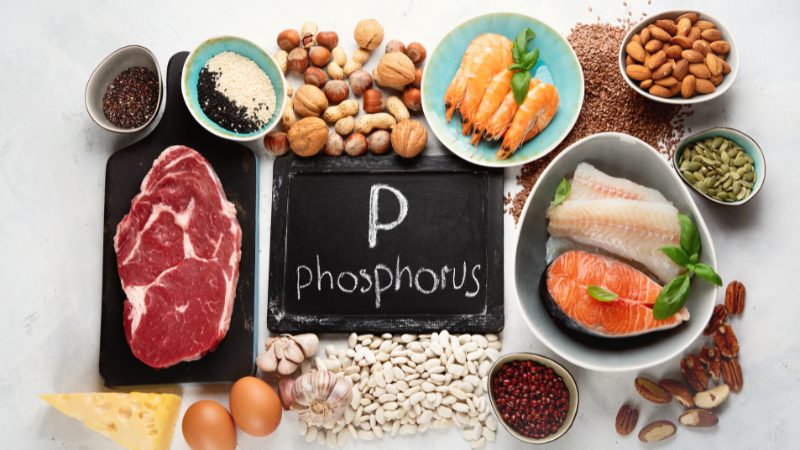
Phosphorus helps build strong bones and teeth, much like calcium. It also contributes to the production of energy in our cells. We can find phosphorus in foods like dairy products, meat, fish, nuts, beans, and whole grains. This mineral does a lot behind the scenes to keep our cells working properly.
When we get enough phosphorus, we support healthy growth, good bone structure, and efficient energy production. A shortage of phosphorus is not very common. However, it can happen if our diet is lacking in protein or if we have certain health issues that affect the way our bodies use this mineral.
If our phosphorus levels are out of balance, it can cause problems with bone health. Sometimes this occurs when the levels are too high, especially if kidney function is compromised. It is best to follow a balanced diet and consult a healthcare professional if we suspect any mineral imbalance.
Putting It All Together
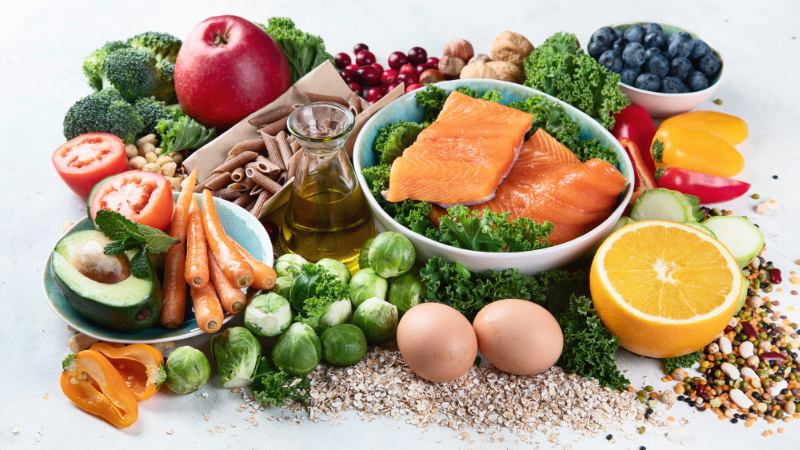
We can see that vitamins and minerals are like puzzle pieces. They each do something special, but they often work better when they team up. A balanced meal with a variety of whole foods can help us meet our nutrient requirements naturally. This makes meal planning easier, because we can simply choose different fruits, vegetables, proteins, and grains to cover most of our needs.
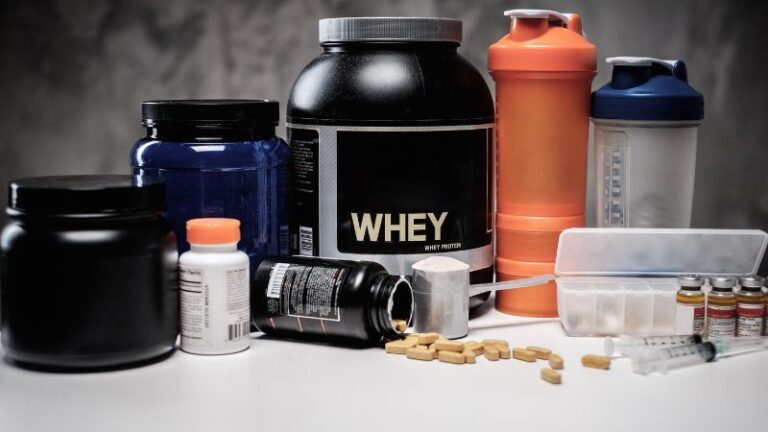
Even with the best plan, we might have gaps in our diet. This can happen if we have dietary restrictions or if we simply do not enjoy certain foods. In that case, a supplement could fill in the missing pieces. It is best to talk with a healthcare provider before starting any new supplement to ensure safety and proper dosage.
By keeping track of our vitamin and mineral intake, we can maintain steady energy levels, support our immune system, and feel our best. We do not have to be perfect, but a little knowledge and effort go a long way. When we understand which nutrients our bodies need and where to get them, we unlock the key to lasting wellness.
Practical Tips for Getting Enough Nutrients
It helps to plan our meals around a few nutrient-rich foods that we enjoy. For instance, if we like spinach, we can add it to salads, smoothies, or pasta sauces. If we prefer crunchy snacks, we might include nuts or seeds for a boost of healthy fats, protein, and minerals.
We can also make small changes to get more nutrients. Adding fruit to our breakfast or choosing whole grains instead of refined options is a good start. We can swap sugary drinks for water or milk alternatives that may include vitamins and minerals. Over time, these small changes can add up and improve our overall nutrition.
Sometimes, we might need to consider supplements. This is especially true for people with special conditions or lifestyles. For example, those on a vegan diet might need more vitamin B12. Someone in a cold climate might need extra vitamin D. It is always best to seek professional advice to find the safest and most effective approach.
Common Mistakes and How to Avoid Them
One mistake is over-supplementing. More is not always better when it comes to vitamins or minerals. Taking high doses can cause problems. For example, too much vitamin A can lead to toxic effects. It is safer to stick to recommended amounts unless a doctor advises otherwise.
Another pitfall is relying on a single food or type of meal. A restrictive diet might not deliver enough variety. We can try new fruits, vegetables, and protein sources to expand our nutrient intake. This approach keeps our meals interesting and our nutrient levels balanced.
We should also watch out for misleading product claims. Some supplements promise quick fixes or miracle results. They might contain added ingredients that do nothing to improve health. Sticking to reliable sources and professional advice helps us avoid wasting money or risking our well-being.
Finding the Right Balance
Balance does not mean perfection. It means giving our bodies a steady stream of the nutrients they need. We can enjoy treats and comfort foods now and then, as long as we are mindful of our overall intake. When we eat mostly whole, nutrient-dense foods, we leave room for small indulgences.
It helps to listen to our bodies. If we feel tired or experience other ongoing symptoms, it could be a sign that we are missing something important. A check-up or a simple blood test might reveal if we are lacking any vitamins or minerals. This knowledge makes it easier to fix the problem by adjusting our diet or taking a targeted supplement.
Friends, family, and community can be a great source of support when trying new eating habits. Sharing tips, recipes, and meal ideas can keep us motivated. We can also seek help from dietitians or online resources that focus on balanced and practical approaches to nutrition.
Final Thoughts
Vitamins and minerals form the backbone of good health. They support our bones, muscles, and nerves and help us fight illness. When we eat a balanced diet that includes fruits, vegetables, whole grains, and lean proteins, we are likely getting most of what we need. Small changes like adding leafy greens or swapping refined grains for whole grains can make a big difference in our daily nutrient intake.
Some people may need supplements, but it is best to approach them with caution and guidance. Checking in with a healthcare professional can ensure we stay on the right track. By paying attention to our bodies and making wise food choices, we nurture a foundation for better health and more energy.
Whether we are trying to boost our immune system or build stronger bones, knowing about vitamins and minerals gives us the power to make informed decisions. By focusing on whole foods, staying curious about nutrition, and addressing gaps where needed, we can feel more confident about our health journey. The result is a happier, healthier life that allows us to do the things we love with energy and ease.