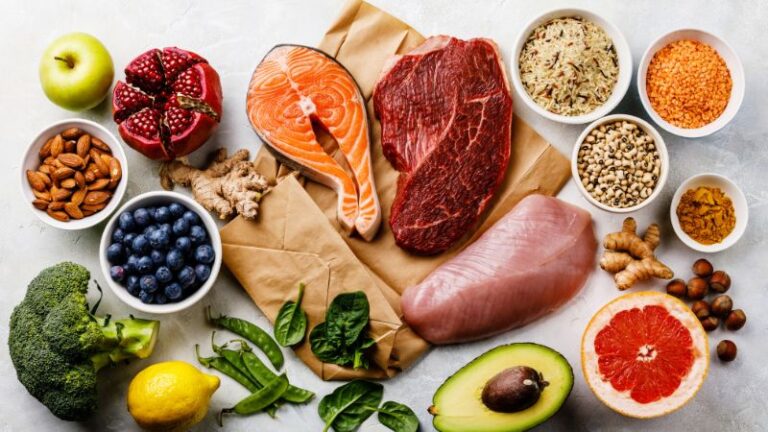
Fitness Nutrition Essentials: The Foundation for Optimal Performance
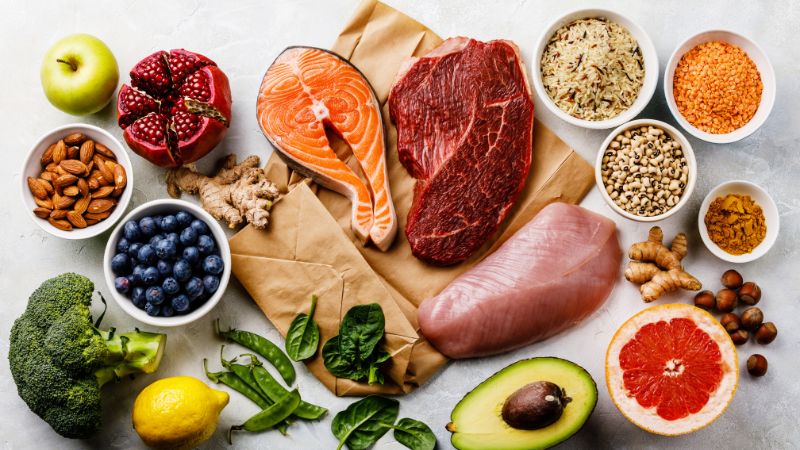
In the realm of fitness, nutrition plays a pivotal role in shaping overall health and physical performance. Understanding the essentials of fitness nutrition not only enhances your workouts but also supports your body’s recovery and growth processes. This article outlines 11 fundamental elements of fitness nutrition, each crucial for anyone looking to improve their physical health and athletic performance.
Optimal fitness is not just about what happens in the gym; it’s equally about what happens on your plate. Each nutrient, from proteins to vitamins, has a specific role in energy production, muscle repair, and metabolic health. The following sections delve into these key components, providing a clear path to a balanced and effective fitness diet.
1. Protein: The Muscle Builder
Protein is fundamental for muscle repair and growth. Consuming adequate protein after a workout helps to repair the micro-tears in muscle fibers caused by intense exercise. This is crucial for muscle recovery and growth. Sources like chicken, fish, and legumes are excellent for providing the body with essential amino acids.
It’s also important to spread protein intake throughout the day, not just post-workout. This ensures a constant supply of nutrients for muscle repair. For those involved in heavy lifting or endurance sports, protein needs might be higher compared to someone engaging in moderate exercise.
Vegetarian and vegan athletes should focus on incorporating a variety of protein sources, such as quinoa, tofu, and tempeh, to ensure they receive all essential amino acids. Supplements like pea or rice protein powders can also help in meeting protein requirements.
2. Carbohydrates: The Energy Powerhouses
Carbohydrates are the primary energy source for your body, especially during high-intensity workouts. They are stored as glycogen in muscles and the liver, which is then utilized during exercise. Foods like whole grains, fruits, and vegetables should be staples for anyone engaging in regular physical activity.
Timing your carbohydrate intake can also enhance performance and recovery. Eating carbohydrates before a workout can provide an energy boost, while consuming them afterward helps replenish glycogen stores, aiding in quicker recovery.
Complex carbohydrates, such as oats and sweet potatoes, provide a slow and steady release of energy, which is ideal for endurance athletes or long workout sessions. These foods help maintain energy levels without the spikes associated with simple sugars.
3. Fats: Essential Energy Reserves
While often vilified, fats are essential for long-term energy, hormone production, and the absorption of fat-soluble vitamins. Healthy fats, such as those found in avocados, nuts, and seeds, should be integrated into a fitness-focused diet.
Omega-3 fatty acids, in particular, are beneficial for reducing inflammation and promoting heart health. Sources like salmon, flaxseeds, and walnuts are rich in omega-3s and should be a part of your nutritional plan.
It’s important to balance the intake of various types of fats and to limit the consumption of trans fats and high amounts of saturated fats, which can lead to health issues if consumed excessively.
4. Water: The Vital Nutrient
Hydration is crucial for overall health and optimal fitness performance. Water regulates body temperature, lubricates joints, and helps transport nutrients to give you energy. When you’re well-hydrated, you perform at your best.
Dehydration can lead to decreased performance, early fatigue, and increased risk of injuries. It’s important to drink water throughout the day, not just during or after workouts, to ensure proper hydration.
The amount of water needed can vary based on your activity level, the climate, and your individual needs. Athletes may need to increase their water intake to compensate for fluid loss from sweating during intense sessions.
5. Electrolytes: Balancers of Bodily Fluids
Electrolytes, such as sodium, potassium, and magnesium, are critical for maintaining fluid balance and proper muscle function. They are lost through sweat during intense workouts, and their depletion can lead to cramping, weakness, and even more serious health issues.
Replenishing electrolytes after heavy sweating, especially during long-duration exercises or in hot climates, is crucial. Electrolyte-rich foods like bananas, dairy products, and leafy greens can help maintain the necessary balance.
For those engaging in extended or particularly sweat-inducing activities, electrolyte supplements or sports drinks can be beneficial to restore the body’s electrolyte levels more rapidly.
6. Vitamins: Micro-Nutrients for Macro Impact
Vitamins are essential for energy production, immune function, and bone health, among other roles. B vitamins, for example, are crucial for converting food into energy. Rich sources include whole grains, meats, and eggs.
Antioxidant vitamins like vitamins C and E help protect the body against oxidative stress, which increases during exercise. Citrus fruits, berries, and nuts are great sources of these antioxidants.
Fat-soluble vitamins, such as vitamin D and E, are important for athletes because they support bone health and provide immune support. Regular exposure to sunlight and consuming fortified foods or supplements can help maintain adequate vitamin D levels.
7. Minerals: Essential for Muscle and Nerve Function
Minerals like calcium, magnesium, and zinc play significant roles in muscle contraction, nerve transmission, and metabolic processes. Calcium is not only crucial for bone health but also helps in muscle contractions and nerve signaling. Dairy products and leafy greens are excellent sources.
Magnesium is another important mineral that supports muscle function and energy production. It can be found in nuts, seeds, and whole grains. It’s particularly important for athletes to maintain adequate magnesium levels for optimal muscle performance.
Zinc is essential for immune function, protein synthesis, and wound healing. Foods rich in zinc include meats, shellfish, and legumes. Athletes need to ensure they have enough zinc in their diet to support recovery and overall health.
8. Amino Acids: Building Blocks of Protein
Amino acids are the building blocks of proteins and play critical roles in muscle repair, growth, and maintenance. Essential amino acids cannot be made by the body and must be obtained from the diet.
Branch-chain amino acids (BCAAs), including leucine, isoleucine, and valine, are particularly important for athletes. They help reduce muscle soreness and fatigue during and after workouts.
Supplementing with amino acids can be helpful for those who do not get enough from their diet, especially for vegetarians and vegans who might not consume all essential amino acids through food alone.
9. Antioxidants: Combatting Exercise-Induced Stress
Antioxidants help to neutralize free radicals, which are produced in greater quantities during exercise. Free radicals can cause cellular damage and lead to fatigue and decreased muscle function.
Foods rich in antioxidants, such as berries, green tea, and dark chocolate, can help mitigate these effects. Incorporating a variety of these foods into your diet can enhance your body’s ability to fight oxidative stress.
Regular consumption of antioxidants is important for long-term health and can help improve recovery times between workouts, allowing for more frequent and intensive training sessions.
10. Probiotics: Supporting Gut Health
Probiotics are beneficial bacteria that play an important role in digestive health, which is crucial for athletes who need efficient nutrient absorption from their diet. A healthy gut can also boost the immune system and reduce inflammation.
Yogurt, kefir, sauerkraut, and other fermented foods are rich in probiotics. Including these in your diet can help maintain the balance of gut flora, which is often disrupted by high levels of stress and physical strain.
Supplements can also be an effective way to ensure adequate probiotic intake, especially for individuals with dietary restrictions or those needing higher concentrations of probiotics.
11. Timing of Nutrient Intake: Synchronizing Diet with Training
The timing of nutrient intake can significantly affect athletic performance and recovery. Eating the right nutrients at the right times can help maximize energy levels during workouts and speed up recovery afterward.
A pre-workout meal should include carbohydrates and a moderate amount of protein to fuel your session, while post-workout nutrition should focus on carbohydrates to replenish glycogen stores and protein to aid in muscle recovery.
Understanding how to pair different foods and when to consume them can greatly enhance your workout effectiveness and overall fitness results. This strategic approach to eating is often what separates amateur fitness enthusiasts from professional athletes.