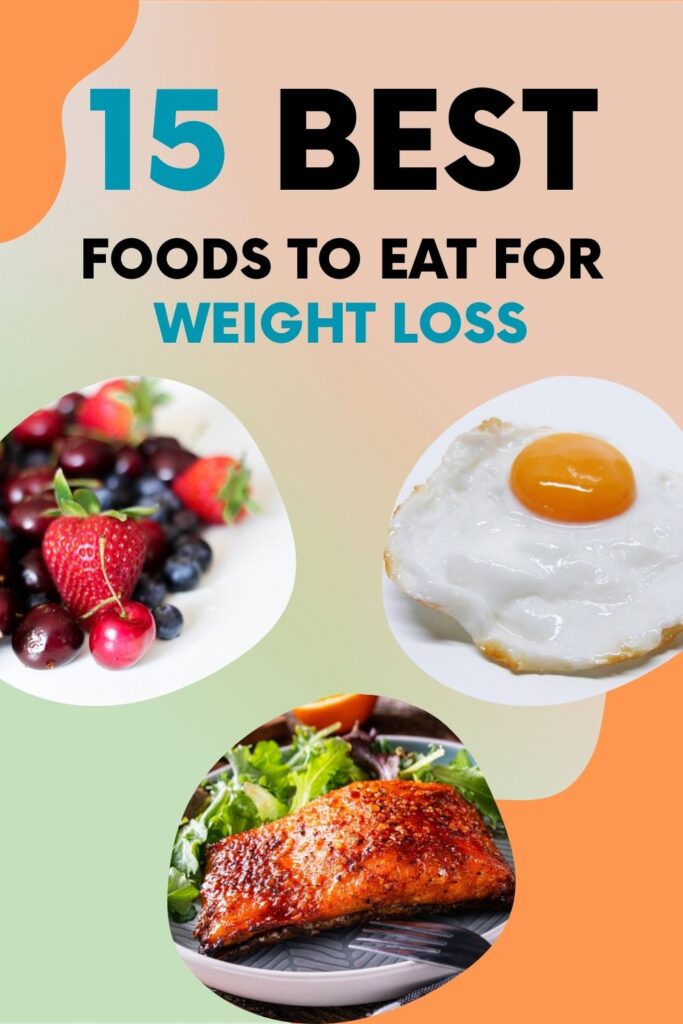
15 Best Foods to Eat for Weight Loss
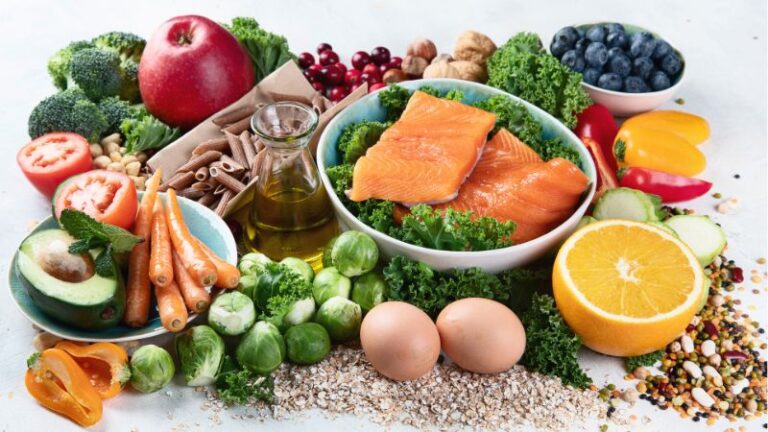
Losing weight is often about making smart, sustainable food choices that keep you full, energized, and on track. The best foods for weight loss are nutrient-dense, low in calories, and help regulate hunger hormones or boost metabolism. Incorporating a variety of whole, minimally processed foods ensures you get essential nutrients while maintaining a calorie deficit without feeling deprived.
From protein-packed options to fiber-rich vegetables, the foods on this list are backed by science for their ability to support weight loss. Whether you’re aiming to shed a few pounds or maintain a healthy lifestyle, these foods can be easily integrated into your meals. Below, we explore 15 of the best foods to help you achieve your weight loss goals, with practical tips for including them in your diet.
1. Leafy Greens
Leafy greens like spinach, kale, and Swiss chard are low in calories and high in fiber, making them ideal for weight loss. Their high water content and nutrient density help you feel full while consuming minimal calories, allowing you to eat larger portions without overdoing it.
Incorporate leafy greens into smoothies, salads, or sauté them as a side dish. Studies show that eating a salad before a meal can reduce overall calorie intake, as the fiber slows digestion and stabilizes blood sugar, curbing cravings.
2. Eggs
Eggs are a powerhouse of protein and healthy fats, promoting satiety and reducing hunger throughout the day. Research indicates that eating eggs for breakfast can lead to lower calorie consumption compared to high-carb meals like bagels.
Versatile and affordable, eggs can be boiled, scrambled, or made into omelets with vegetables. Their nutrient profile, including choline, supports metabolism, making them a staple for weight loss diets.
3. Salmon
Salmon is rich in omega-3 fatty acids and high-quality protein, both of which enhance feelings of fullness and support fat burning. Its healthy fats also help reduce inflammation, which can be linked to weight gain.
Grill or bake salmon with herbs and serve with vegetables for a balanced meal. Eating fatty fish like salmon twice a week can improve insulin sensitivity, aiding in weight management.
4. Cruciferous Vegetables
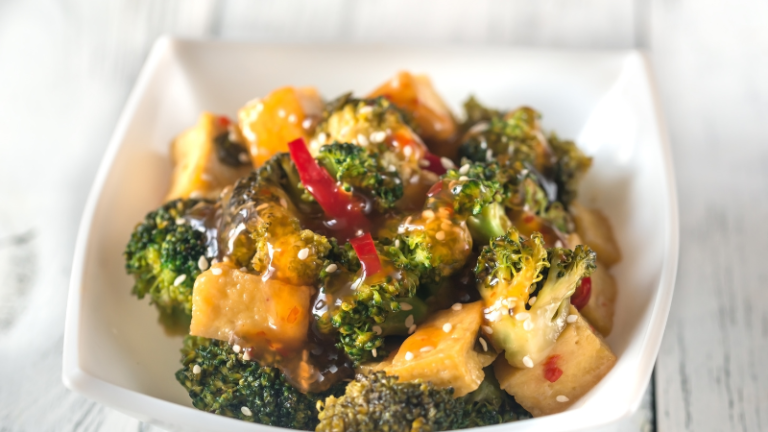
Broccoli, cauliflower, Brussels sprouts, and cabbage are cruciferous vegetables packed with fiber and protein relative to their low calorie count. They help you stay full longer and provide essential vitamins for overall health.
Roast them with olive oil or add to stir-fries for a satisfying dish. Their high fiber content slows digestion, reducing the likelihood of overeating at subsequent meals.
5. Lean Chicken Breast
Chicken breast is a lean protein source that promotes muscle maintenance and satiety, key for weight loss. High-protein foods require more energy to digest, slightly boosting your metabolism.
Grill, bake, or poach chicken breast to keep it low-calorie, and pair with vegetables or whole grains. Studies show that increasing protein intake can reduce appetite and late-night snacking.
6. Greek Yogurt
Greek yogurt is high in protein and probiotics, which support gut health and appetite control. Its creamy texture makes it a satisfying swap for higher-calorie snacks or desserts.
Choose plain, unsweetened Greek yogurt and add berries or a sprinkle of nuts. Research suggests that high-protein dairy can reduce hunger and increase feelings of fullness compared to lower-protein options.
7. Beans and Legumes
Beans and legumes, such as lentils, chickpeas, and black beans, are rich in fiber and plant-based protein. These nutrients slow digestion and stabilize blood sugar, reducing cravings.
Add them to soups, salads, or make a hearty chili. Their versatility and low cost make them a practical choice, with studies linking legume consumption to reduced body fat.
8. Avocados
Avocados are packed with healthy monounsaturated fats and fiber, which promote satiety and help regulate blood sugar. Though calorie-dense, they can aid weight loss when eaten in moderation.
Use avocado as a spread on whole-grain toast or add to salads. Research shows that replacing unhealthy fats with avocado can reduce hunger and support weight maintenance.
9. Nuts
Nuts like almonds, walnuts, and pistachios offer healthy fats, protein, and fiber, making them a satisfying snack that curbs overeating. Their crunch and flavor also help with portion control.
Stick to a small handful (about 1 ounce) to keep calories in check. Studies suggest that nuts can improve metabolic health and support weight loss when included in a balanced diet.
10. Whole Grains
Whole grains like quinoa, brown rice, and oats are high in fiber and have a lower glycemic index than refined grains, helping to stabilize blood sugar and reduce hunger. They provide sustained energy for active lifestyles.
Swap refined grains for whole grains in meals, like oatmeal for breakfast or quinoa in salads. Research links whole grain consumption to lower body weight and reduced belly fat.
11. Berries
Berries, such as blueberries, strawberries, and raspberries, are low in calories and high in fiber and antioxidants. Their natural sweetness satisfies sugar cravings without spiking blood sugar.
Add berries to yogurt, smoothies, or eat them as a snack. Studies show that their high flavonoid content may help prevent weight gain and improve insulin sensitivity.
12. Chia Seeds
Chia seeds are a fiber and protein powerhouse, absorbing water to form a gel that expands in your stomach, promoting fullness. They’re also rich in omega-3s, supporting metabolic health.
Mix chia seeds into smoothies, yogurt, or make chia pudding with almond milk. Research suggests that their high fiber content can reduce appetite and aid weight loss.
13. Cottage Cheese
Cottage cheese is high in protein and low in calories, making it an excellent choice for weight loss. Its high casein content digests slowly, keeping you full for hours.
Pair cottage cheese with fruit or use it as a base for savory dips. Studies indicate that high-protein dairy like cottage cheese can reduce appetite and support fat loss.
14. Sweet Potatoes
Sweet potatoes are rich in fiber, vitamins, and complex carbohydrates, providing sustained energy and satiety. Their natural sweetness makes them a healthy alternative to processed carbs.
Bake or roast sweet potatoes as a side or base for bowls. Research shows that their low glycemic load helps regulate blood sugar, reducing hunger spikes.
15. Apples
Apples are high in fiber and water, making them a low-calorie, filling snack that can curb cravings. Their pectin content slows digestion, promoting fullness and stabilizing blood sugar.
Eat apples raw, add to salads, or bake with cinnamon for a healthy dessert. Studies suggest that eating whole apples before meals can reduce calorie intake and support weight loss.