Nutrition for Weight Loss
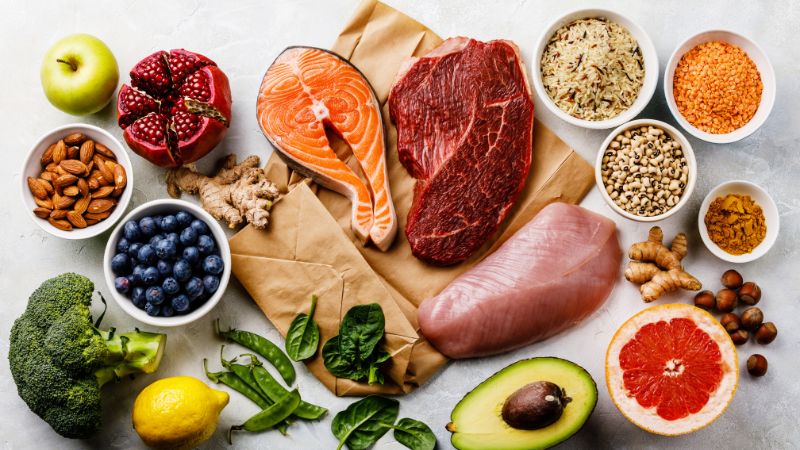
Losing weight is more than just a numbers game; it’s about finding the right balance between what you eat and how your body uses that energy. While exercise plays a role, the foundation of any successful weight loss journey lies in proper nutrition. By making thoughtful food choices and understanding how your diet impacts your metabolism, you can achieve sustainable results and improve your overall health.
The key to weight loss nutrition is not depriving yourself but fueling your body with the nutrients it needs to function optimally. A strategic approach to eating can help control hunger, stabilize blood sugar levels, and promote fat burning. With the right mindset and tools, you can create a plan that works for your unique lifestyle.
Understanding Caloric Deficit
A caloric deficit occurs when you consume fewer calories than your body burns, forcing it to use stored fat for energy. This is the cornerstone of weight loss, but achieving a caloric deficit doesn’t mean starving yourself. Instead, focus on eating nutrient-dense foods that provide volume without excessive calories, like vegetables, lean proteins, and whole grains.
Tracking your calorie intake can be an eye-opening exercise to understand your eating habits better. Apps and tools can help, but it’s also essential to listen to your body. Avoid overly restrictive diets that leave you feeling deprived, as these can lead to binge eating and undo your progress.
Importance of Protein
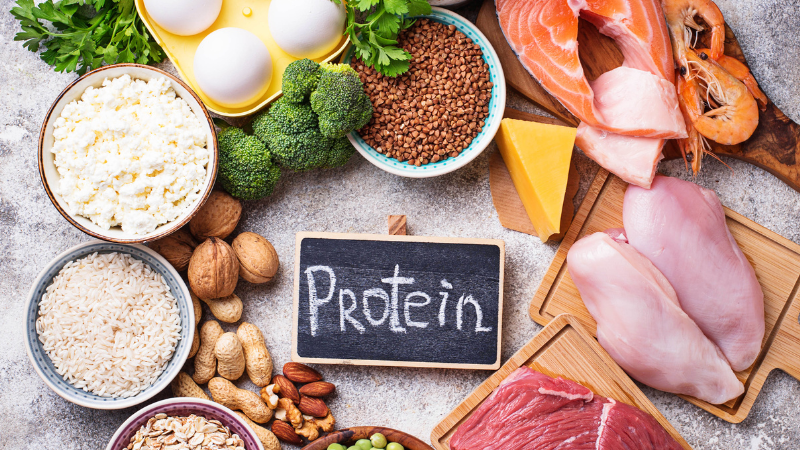
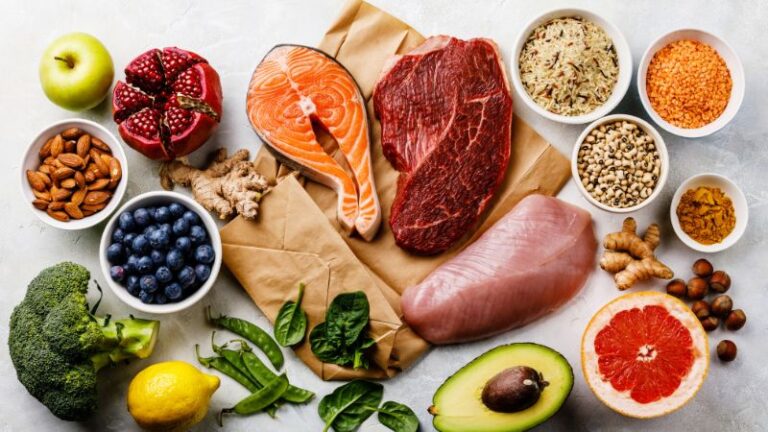
Protein is vital for weight loss because it helps preserve muscle mass while encouraging fat loss. Additionally, protein-rich foods like chicken, eggs, tofu, and legumes are more satisfying, reducing cravings and overall calorie consumption. Eating protein with every meal can keep your energy levels stable throughout the day.
Including more protein in your diet doesn’t mean cutting out other food groups entirely. Instead, pair it with fiber-rich vegetables and healthy fats to create balanced meals. A well-rounded approach ensures you’re getting all the essential nutrients while staying full and energized.
Managing Carbohydrate Intake
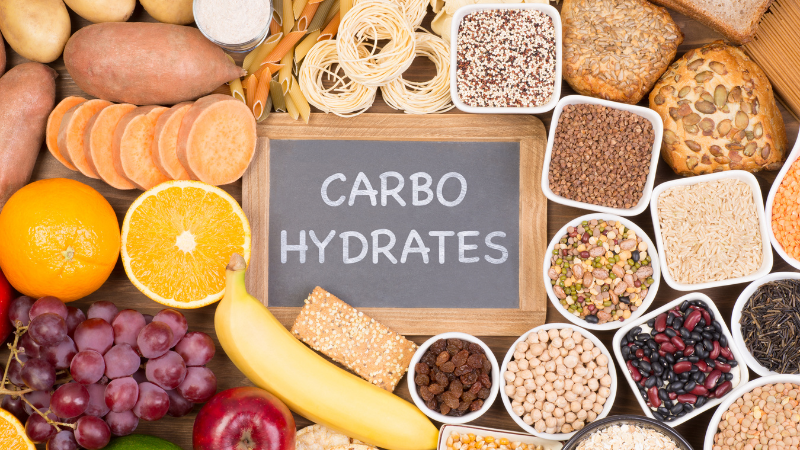
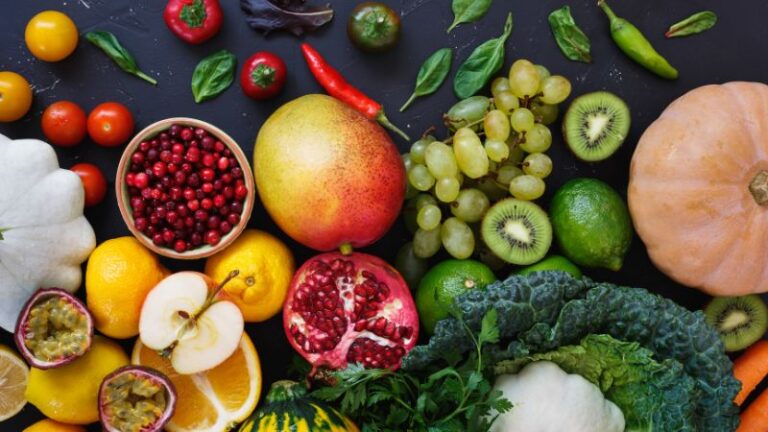
Carbohydrates often get a bad reputation, but they are a necessary part of a healthy diet. The key is focusing on complex carbohydrates like whole grains, fruits, and vegetables, which provide sustained energy and prevent blood sugar spikes. These types of carbs can keep you feeling full longer, reducing the temptation to snack on unhealthy options.
Reducing refined carbs like white bread, pastries, and sugary drinks can significantly improve your weight loss results. These foods are calorie-dense but lack the nutrients your body needs, often leaving you hungry soon after eating. Swapping refined carbs for whole-food alternatives can help you stay on track.
Healthy Fats Matter
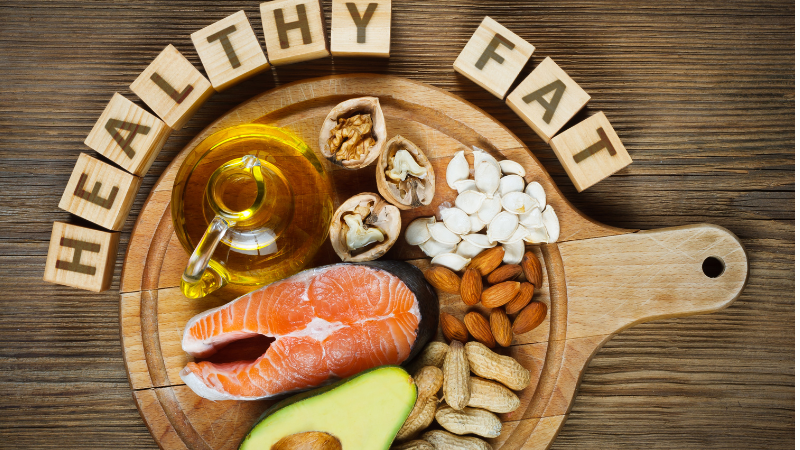
Contrary to popular belief, fats aren’t the enemy of weight loss. Healthy fats, such as those found in avocados, nuts, seeds, and olive oil, are essential for hormone regulation, brain health, and satiety. Including healthy fats in your meals can keep hunger at bay and reduce the urge to overeat.
However, portion control is essential when consuming fats, as they are calorie-dense. A small handful of nuts or a tablespoon of olive oil can go a long way in adding flavor and nutritional value without tipping your calorie intake over the edge.
The Role of Fiber
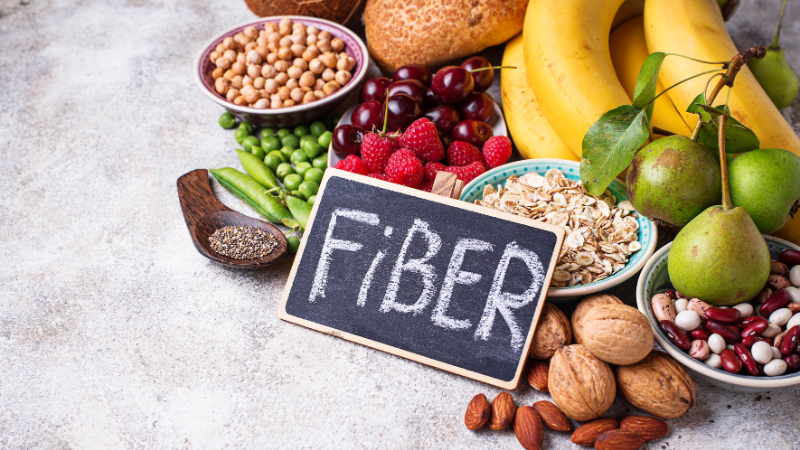
Fiber is a weight loss powerhouse because it promotes fullness and aids digestion. Foods high in fiber, like whole grains, fruits, vegetables, and legumes, can help you feel satisfied on fewer calories. Additionally, fiber helps stabilize blood sugar levels, preventing energy crashes that can lead to overeating.
Incorporating more fiber into your diet is simple: swap white bread for whole-grain options, add beans to your meals, or snack on fresh fruit instead of processed treats. Over time, these small changes can make a big difference in your weight loss journey.
Hydration and Weight Loss
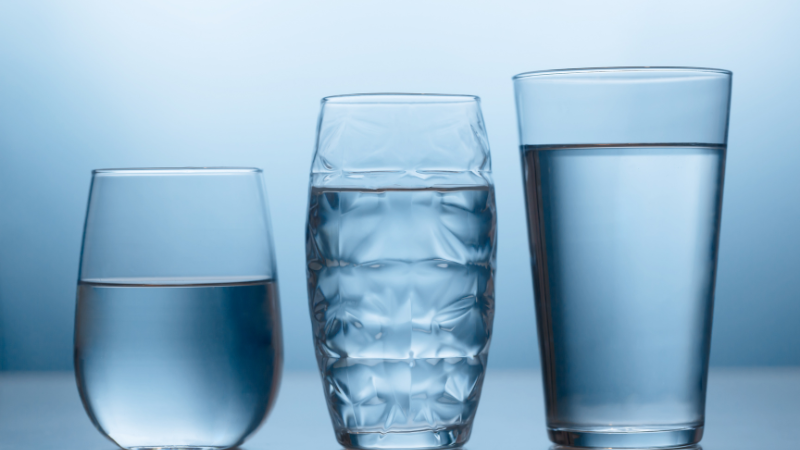
Staying hydrated is often overlooked but plays a crucial role in weight loss. Drinking enough water supports your metabolism, aids digestion, and can even reduce feelings of hunger. Sometimes, thirst is mistaken for hunger, leading to unnecessary snacking.
Start your day with a glass of water and aim to drink consistently throughout the day. Adding lemon or cucumber slices can make water more appealing if you struggle to drink enough. Herbal teas and calorie-free flavored waters are also great options.
Meal Timing and Portion Control
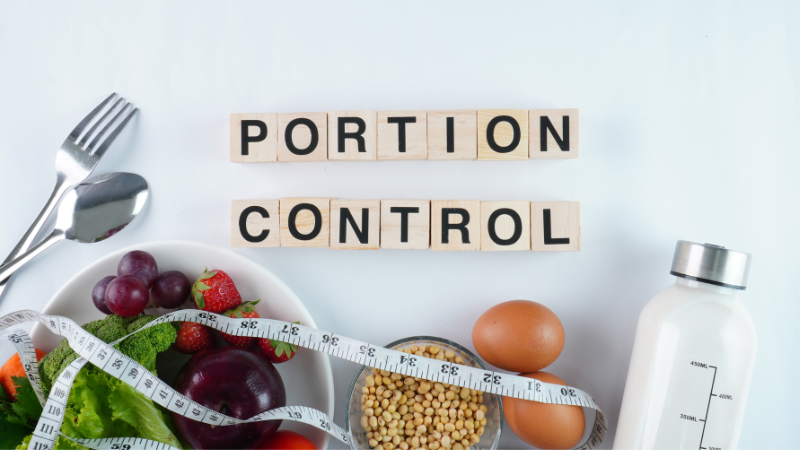
When and how much you eat can impact your weight loss progress. Spacing your meals evenly throughout the day helps prevent extreme hunger, which can lead to overeating. Aim for three balanced meals and one or two healthy snacks to keep your energy steady.
Portion control is equally important. Even healthy foods can contribute to weight gain if consumed in excessive amounts. Using smaller plates, measuring servings, and eating mindfully can help you manage portions without feeling restricted.
Minimizing Processed Foods
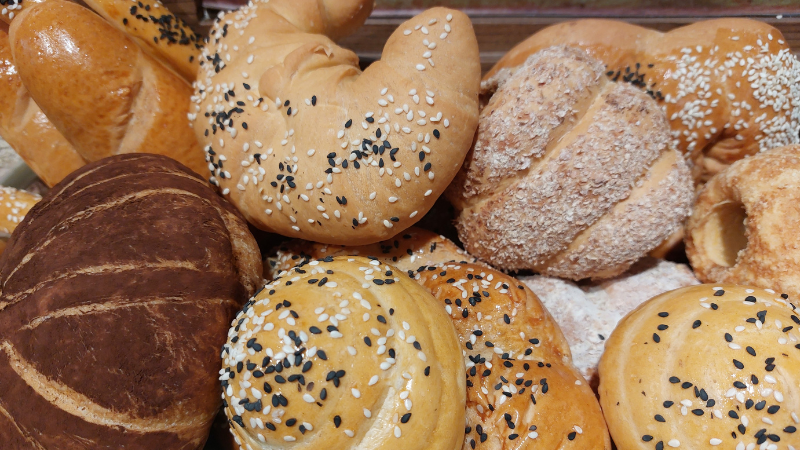
Processed foods are often loaded with added sugars, unhealthy fats, and empty calories. These ingredients can sabotage your weight loss efforts by increasing cravings and providing little nutritional value. Cutting back on processed foods can help you control your calorie intake and improve overall health.
Focus on whole, minimally processed foods like fruits, vegetables, lean proteins, and whole grains. Preparing meals at home allows you to control the ingredients and ensure your meals align with your weight loss goals.
The Importance of Sleep

Sleep and nutrition go hand in hand when it comes to weight loss. Poor sleep can disrupt hunger hormones, increasing cravings for high-calorie foods and making it harder to stick to your eating plan. Quality sleep also supports recovery and energy levels, making it easier to stay active.
Aim for 7-9 hours of sleep per night and establish a consistent bedtime routine. Reducing caffeine intake in the afternoon and limiting screen time before bed can improve your sleep quality.
Consistency Over Perfection
Consistency is the key to sustainable weight loss. Instead of striving for perfection, focus on making gradual, realistic changes to your eating habits. Small, consistent efforts are more effective and easier to maintain over time than extreme, short-term diets.
Allow yourself the occasional treat without feeling guilty. The goal is to develop a healthy relationship with food that supports your long-term weight loss and overall well-being.
The Role of Mindset
A positive mindset is often the missing piece in weight loss journeys. Viewing nutrition as a way to nourish your body rather than punish it can make the process more enjoyable and sustainable. Celebrate small victories, and don’t let setbacks derail your progress.
Practice self-compassion and focus on progress, not perfection. Weight loss is a journey, and building healthy habits takes time. With the right mindset, you can create a lifestyle that supports your goals and makes you feel your best.