Meal Prep for Healthy Living
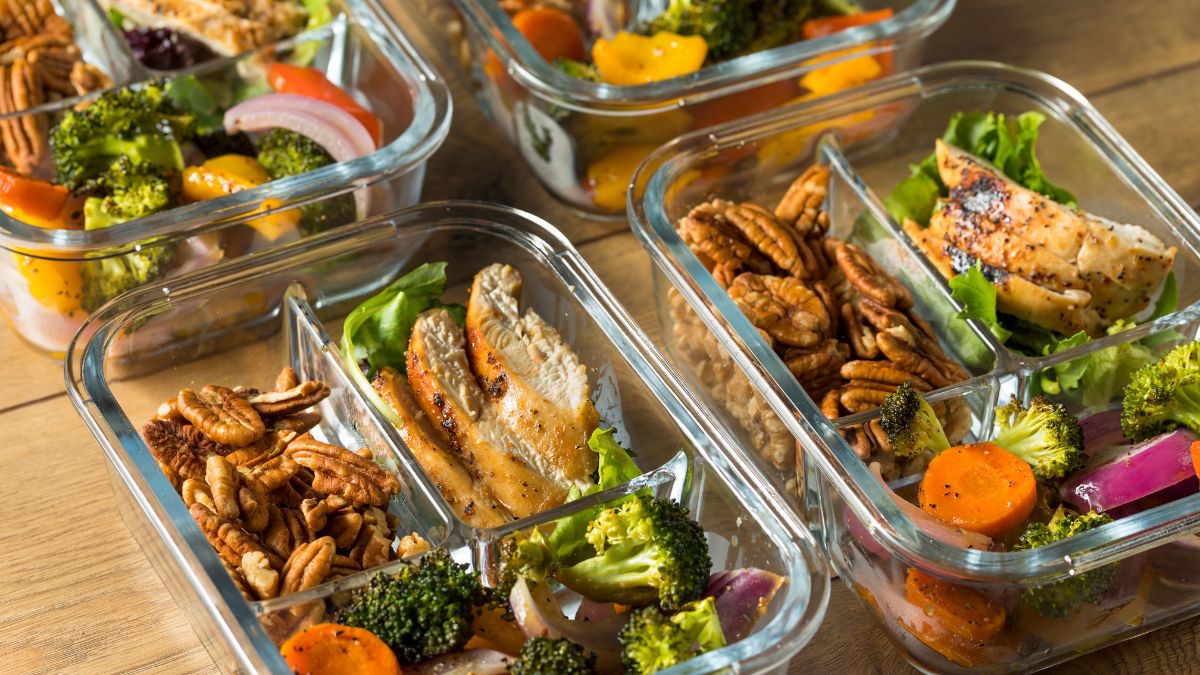
In today’s fast-paced world, maintaining a healthy lifestyle can be challenging. Meal prep has emerged as a powerful strategy to simplify healthy eating while saving time and money.
By dedicating a few hours each week to planning and preparing meals, you can ensure that nutritious, delicious options are always within reach. This approach eliminates the temptation of unhealthy takeout and helps you stick to your dietary goals.
Meal prepping isn’t just about convenience; it’s a way to take control of your nutrition and create sustainable habits. Whether you’re trying to lose weight, manage a busy schedule, or simply eat healthier, meal prepping can streamline your efforts. With a bit of planning, you can enjoy balanced, home-cooked meals without the stress of daily cooking.
Benefits of Meal Prep
Meal prepping offers numerous benefits that go beyond convenience and time-saving. For starters, it promotes healthier eating habits by giving you control over portion sizes and ingredients. Instead of relying on processed foods or oversized restaurant portions, you can prepare meals that suit your dietary needs. This can lead to better weight management, improved digestion, and a more balanced intake of nutrients.
Another advantage of meal prepping is cost savings. Eating out frequently or purchasing pre-packaged meals can be expensive. By buying ingredients in bulk and cooking at home, you can significantly cut down on your food expenses. Additionally, you’ll reduce food waste since you’re using precisely what you need for your planned meals.
Finally, meal prep helps reduce decision fatigue. When your meals are pre-planned and ready to go, you avoid the daily stress of deciding what to eat. This leaves you more time and energy to focus on other aspects of your life, such as work, family, or fitness goals.
How to Start Meal Prepping
Getting started with meal prep can feel overwhelming, but it’s easier than you think. The first step is to plan your meals for the week. Decide what you want to eat for breakfast, lunch, and dinner, and make a grocery list based on those meals. Opt for recipes that use similar ingredients to save money and simplify preparation.
Next, invest in quality storage containers. Airtight containers in various sizes are essential for keeping your food fresh and organized. Glass containers are a great option as they are durable, microwave-safe, and eco-friendly. Label your containers with the contents and date to keep track of what needs to be eaten first.
Once you have your plan and containers ready, set aside time for cooking. Choose a day when you have a few uninterrupted hours to prepare your meals. Cook in batches, focusing on staples like grilled chicken, roasted vegetables, and cooked grains. This allows you to mix and match components throughout the week for variety.
Tips for Successful Meal Prep
Consistency is key when it comes to meal prepping. Start small by prepping just a few meals each week, and gradually increase as you get more comfortable. Choose recipes that are simple and require minimal cooking skills. Over time, you’ll build confidence and efficiency in the kitchen.
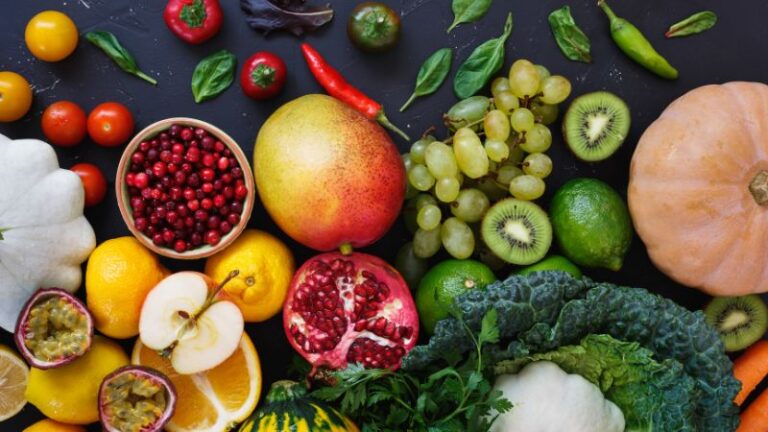
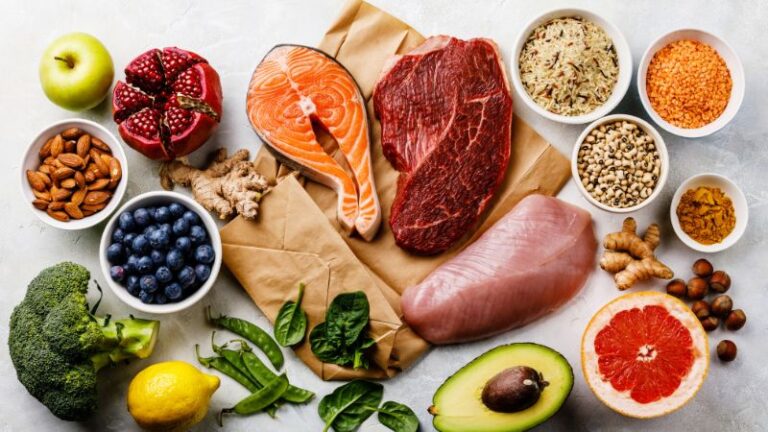
Another important tip is to prioritize balance in your meals. Aim for a mix of lean proteins, healthy fats, and complex carbohydrates in each dish. Incorporating a variety of fruits and vegetables will ensure that you get a wide range of vitamins and minerals. Remember to adjust portion sizes based on your specific dietary needs.
Don’t forget to switch things up to keep your meals interesting. Rotating recipes and experimenting with different cuisines will prevent boredom. Try adding fresh herbs, spices, or sauces to enhance flavors. This way, you’ll look forward to your prepped meals instead of viewing them as a chore.
Common Meal Prep Mistakes to Avoid
One of the most common mistakes in meal prep is over-preparing. While it’s great to plan ahead, preparing too many meals at once can lead to food waste if items spoil before they’re eaten. Start with a realistic number of meals and adjust as you learn how much you need.
Another mistake is neglecting to consider variety. Eating the same meal every day can become monotonous and discourage you from sticking to your meal prep routine. Include different recipes and ingredients to keep things exciting and ensure you’re getting a range of nutrients.
Failing to store food properly is another pitfall. Make sure your containers are sealed tightly, and store meals in the refrigerator or freezer based on when you plan to eat them. Improper storage can lead to spoilage and wasted effort, so take the time to package everything correctly.
Meal Prep Ideas for Different Lifestyles
Whether you’re a busy professional, a student, or a parent, there are meal prep strategies tailored to your lifestyle. For those with limited time, focus on quick-prep options like overnight oats, salads in a jar, or sheet pan dinners. These meals require minimal cooking and are easy to assemble.
If you’re catering to a family, consider prepping larger batches of meals that everyone can enjoy. Casseroles, soups, and pasta dishes are great options that can be divided into portions for multiple days. Get the whole family involved in the process to make it a fun and collaborative activity.
Fitness enthusiasts can benefit from meal prepping by ensuring they meet their macronutrient goals. Pre-portioning meals with specific amounts of protein, carbs, and fats can support muscle growth and recovery. Smoothies, protein-packed snacks, and grilled meats with veggies are popular choices for active individuals.
Tools and Equipment for Meal Prep
Investing in the right tools can make meal prep more efficient and enjoyable. A good set of knives, cutting boards, and a food processor are essential for chopping and dicing ingredients quickly. Non-stick pans, baking sheets, and a slow cooker can simplify cooking and save time.
Storage containers are another crucial investment. Look for BPA-free options that are microwave- and dishwasher-safe. Divided containers can help you portion meals and keep different components separate. A food scale is also helpful for accurately measuring ingredients, especially if you’re tracking calories or macros.
Finally, consider using meal prep apps or planners to stay organized. These tools can help you create grocery lists, schedule prep days, and store your favorite recipes. With the right equipment and resources, meal prep becomes a seamless part of your routine.
Meal Prep for Special Diets
Meal prep is adaptable to a variety of dietary preferences and restrictions. For vegetarians, focus on plant-based proteins like beans, lentils, tofu, and tempeh. Combine these with whole grains and plenty of vegetables for balanced meals. Adding flavorful sauces and seasonings can make plant-based dishes more appealing.
For individuals following a low-carb or keto diet, meal prep can help you stay within your carb limits. Focus on high-fat, low-carb ingredients like avocados, cheese, nuts, and meats. Prepping salads, stir-fries, and egg-based dishes can provide variety while keeping you on track.
Those with food allergies or sensitivities can also benefit from meal prep. By preparing meals at home, you have full control over the ingredients, ensuring they are free from allergens. Be mindful of cross-contamination by using separate utensils and equipment for allergen-free cooking.
How to Stay Motivated with Meal Prep
Staying motivated to meal prep requires a combination of planning and mindset. Set clear goals for why you want to meal prep, whether it’s to save money, eat healthier, or reduce stress. Remind yourself of these goals regularly to stay focused.
Celebrate small successes along the way. Completing your first week of meal prep or sticking to your plan for a month are milestones worth acknowledging. Positive reinforcement can help you stay committed to the habit.
Lastly, make meal prep enjoyable by turning it into a social activity or self-care ritual. Listen to your favorite music or podcast while cooking, or invite a friend to prep meals together. By making the process fun and rewarding, you’ll be more likely to stick with it long-term.