Natural Supplements and Remedies
Natural supplements and remedies have surged in popularity as more people seek alternative and holistic approaches to health care. Emphasizing prevention over cure, these natural solutions often draw from ancient traditions and utilize the healing powers of herbs, spices, and other plant-based ingredients. The appeal lies not only in their natural origin but also in their ability to work harmoniously with the body’s own mechanisms to heal and maintain health without the harsh side effects often associated with synthetic drugs.
The rise in consumer interest is backed by a growing body of scientific research that explores the efficacy of various natural supplements and remedies. As the healthcare landscape evolves, there is an increasing integration of these natural health solutions into mainstream wellness practices, offering individuals a more comprehensive approach to health management. Here, we explore thirteen natural supplements and remedies that have shown promise in supporting health and well-being.
Ashwagandha
Ashwagandha, a cornerstone of Ayurvedic medicine, is renowned for its adaptogenic properties. This herb helps the body manage stress more effectively by modulating the release of stress hormones. It can be particularly beneficial for those who suffer from chronic stress, helping to stabilize mood and improve energy levels.
Additionally, Ashwagandha has been studied for its potential to improve brain function, including memory and reaction times. The antioxidant properties of the herb protect the nerve cells from harmful free radicals, which are often elevated during times of physical and mental stress.
The benefits of Ashwagandha extend to physical health as well, as it has been shown to improve muscle strength and reduce body fat when coupled with regular exercise. This makes it a favored supplement among those looking to enhance their physical conditioning while also managing stress levels.
Turmeric
Turmeric is a bright yellow spice widely praised for its anti-inflammatory and antioxidant properties, thanks to its active ingredient, curcumin. Regular consumption of turmeric can help reduce inflammation throughout the body, which is beneficial for preventing chronic diseases such as heart disease, cancer, and Alzheimer’s disease.
The spice also enhances the body’s antioxidant capacity, protecting against cellular damage and aging. This is particularly important in the modern world, where exposure to pollutants and chemicals can accelerate oxidative stress and harm to the body’s cells.
Turmeric has been used in traditional medicine to aid digestion and relieve pain, from menstrual cramps to arthritis pain. Incorporating turmeric into one’s diet or as a supplement can significantly improve quality of life by alleviating pain and improving digestive health.
Ginger
Ginger, another staple in traditional medicine, is celebrated for its anti-nausea properties. It is particularly effective in treating morning sickness during pregnancy and reducing symptoms of motion sickness. The compounds in ginger, such as gingerol, work by promoting the rapid emptying of the stomach, which contributes to its anti-nausea effects.
Beyond its benefits for digestive health, ginger also exhibits strong anti-inflammatory properties, making it a natural treatment for inflammatory conditions like arthritis. It has been shown to reduce pain levels in individuals with osteoarthritis of the knee when taken regularly.
Ginger also boosts immune health by promoting healthy sweating, which not only detoxifies the body but also helps ward off infections. The warming effect of ginger is soothing during cold weather and can help reduce symptoms of respiratory conditions.
Garlic
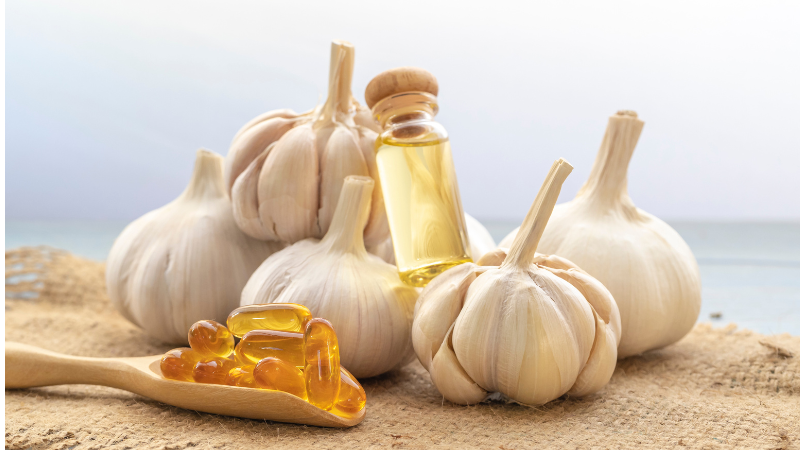
Garlic is not just a flavor enhancer for foods but also a powerful supplement for improving heart health. It has been shown to help lower cholesterol levels and blood pressure, two major risk factors for cardiovascular disease. Garlic enhances the elasticity of the arterial walls, improving overall circulatory health.
The sulfur compounds in garlic, such as allicin, have potent antimicrobial and antiviral properties. This makes garlic a natural remedy for fighting infections and boosting the immune system. Regular consumption can help prevent colds and other common infections.
Furthermore, garlic has potential anticancer properties. Studies have indicated that it may help reduce the risk of certain types of cancer, particularly those of the stomach and colon. The protective effects are attributed to its ability to inhibit the formation of cancer-causing substances, enhance DNA repair, and induce cell death in cancerous cells.
Omega-3 Fatty Acids
Omega-3 fatty acids, found abundantly in fish oil, flaxseeds, and walnuts, are essential for maintaining heart health and cognitive function. These fats are crucial for the construction of cell membranes throughout the body and support the health of cells lining the blood vessels.
Eicosapentaenoic acid (EPA) and docosahexaenoic acid (DHA), the types of omega-3s found in fish oil, have been shown to reduce inflammation and are linked to a lower risk of heart disease. They help maintain the elasticity of artery walls, prevent the formation of harmful blood clots, and lower blood pressure.
For cognitive health, omega-3s are integral to brain function and development. They are associated with a reduced risk of decline in brain function with aging and are considered vital for maintaining memory and thinking abilities.
Probiotics
Probiotics are beneficial bacteria that play an essential role in digestive health. They help balance the gut microbiome, which in turn impacts overall health, including the immune system, weight management, and mental health. Supplementing with probiotics can help treat and prevent gastrointestinal issues such as irritable bowel syndrome (IBS), inflammatory bowel disease (IBD), and infectious diarrhea.
These beneficial bacteria also have a role in mental health. Research suggests a connection between gut health and mood disorders such as depression and anxiety. Probiotics can influence brain health via the gut-brain axis, potentially improving mood and cognitive function.
Furthermore, probiotics contribute to immune function by enhancing the mucosal immune system and increasing the production of antibodies. This can help the body fight off infectious agents more effectively, reducing the frequency and severity of infections.
Vitamin D
Vitamin D, often called the “sunshine vitamin,” is crucial for maintaining bone health and supporting immune function. It facilitates the absorption of calcium in the gut, which is necessary for the normal mineralization of bone. Without sufficient vitamin D, bones can become thin, brittle, or misshapen.
Beyond bone health, vitamin D has significant immune-modulating effects and has been linked to a lower risk of multiple sclerosis, heart disease, and the flu. This vitamin influences the expression of genes involved in immune responses, demonstrating its broad impact on health.
Seasonal affective disorder (SAD), a type of depression related to changes in seasons, is also influenced by vitamin D levels. Supplementing with vitamin D can help alleviate the symptoms of SAD, particularly during the winter months when sunlight exposure is reduced.
Magnesium
Magnesium is a vital mineral that supports over 300 biochemical reactions in the body, including muscle and nerve function, blood glucose control, and blood pressure regulation. It is essential for the production of energy and the development of bone, and it helps DNA and RNA synthesis.
The anti-inflammatory benefits of magnesium are well-documented. It can help reduce the risk of chronic diseases, including Alzheimer’s disease, type-2 diabetes, cardiovascular disease, and migraine. The mineral works by reducing the levels of the inflammatory marker C-reactive protein (CRP) in the body.
Many people do not consume enough magnesium in their diet, leading to deficiencies that can manifest as fatigue, muscle cramps, and an increased risk of osteoporosis. Supplementing with magnesium can help alleviate these symptoms and support overall health.
Chamomile
Chamomile is widely recognized for its calming and sedative effects, making it a popular choice for treating insomnia and promoting better sleep. The herb contains antioxidants that have a relaxing effect on muscles, particularly in the gastrointestinal tract, which can help relieve symptoms of indigestion and gas.
Chamomile is also beneficial for skin health. Its anti-inflammatory and antioxidant properties make it ideal for treating skin irritations and conditions such as eczema. Topically applied chamomile can soothe the skin and reduce inflammation and redness.
The herb has been used in traditional medicine to treat mild infections and boost the immune system. Chamomile’s mild antibacterial properties make it useful for fighting pathogens that cause illnesses, promoting overall health and resilience against common diseases.
Flaxseeds
Flaxseeds are a nutritional powerhouse, rich in omega-3 fatty acids, fiber, and lignans. The omega-3 fatty acids in flaxseeds, primarily alpha-linolenic acid (ALA), contribute to cardiovascular health by helping to reduce blood pressure, arterial inflammation, and cholesterol levels.
The high fiber content of flaxseeds is beneficial for digestive health, aiding in the regulation of bowel movements and preventing constipation. Fiber also helps maintain a healthy weight by providing a feeling of fullness, which can reduce overall calorie intake.
Lignans in flaxseeds have antioxidant properties and are also known for their hormone-regulating effects. They can help balance hormone levels in the body, potentially reducing the risk of hormone-related cancers such as breast cancer.
Cinnamon
Cinnamon is more than just a popular spice—it also offers several health benefits due to its potent antioxidant properties. It can help reduce the risk of heart disease by lowering bad LDL cholesterol levels while keeping good HDL cholesterol stable. It also reduces high blood pressure, contributing further to heart health.
The spice has been shown to improve insulin sensitivity and blood glucose control, which can be incredibly beneficial for people with type 2 diabetes. By enhancing insulin’s effectiveness in transporting sugar from the bloodstream to cells, cinnamon can help lower blood sugar levels.
In addition to its benefits for diabetes and heart health, cinnamon has anti-inflammatory properties. These can help mitigate the effects of chronic inflammation, which is a root cause of many serious diseases, including neurological disorders.
B-complex Vitamins
B-complex vitamins play a crucial role in maintaining overall health by supporting brain function, energy levels, and cell metabolism. These vitamins are vital for converting dietary energy into ATP (adenosine triphosphate), the energy currency of cells.
This process is essential for maintaining energy levels and supporting physical and mental performance.
Deficiencies in B vitamins can lead to serious health consequences, including fatigue, anemia, mania, and depression. Ensuring an adequate intake of these vitamins is crucial for maintaining a healthy nervous system and producing red blood cells.
Furthermore, the B-complex vitamins have roles in skin health, muscle tone, and growth. They help maintain the health of the eyes, hair, and liver. Each B vitamin has a specific role in the body, and together, they work synergistically to maintain optimal health.
Green Tea
Green tea is celebrated for its high levels of antioxidants, particularly catechins, which can help prevent cell damage and reduce the formation of free radicals in the body. This reduction in oxidative stress is beneficial for preventing chronic diseases, including heart disease and cancer.
The active component in green tea, epigallocatechin gallate (EGCG), has been shown to boost metabolic rate and increase fat burning in the short term. This makes green tea a popular supplement in weight loss programs.
Green tea also has benefits for brain health. The caffeine and catechins in green tea can help improve brain function, enhancing mood, vigilance, reaction time, and memory. Regular consumption of green tea may also protect against neurodegenerative diseases such as Alzheimer’s and Parkinson’s.
Each of these natural supplements and remedies offers unique benefits and can be a valuable addition to a holistic health regimen. While they are generally safe for most people, it’s essential to consult with a healthcare provider before starting any new supplement, especially if you have underlying health conditions or are taking other medications.