
Pre-Workout and Recovery Nutrition
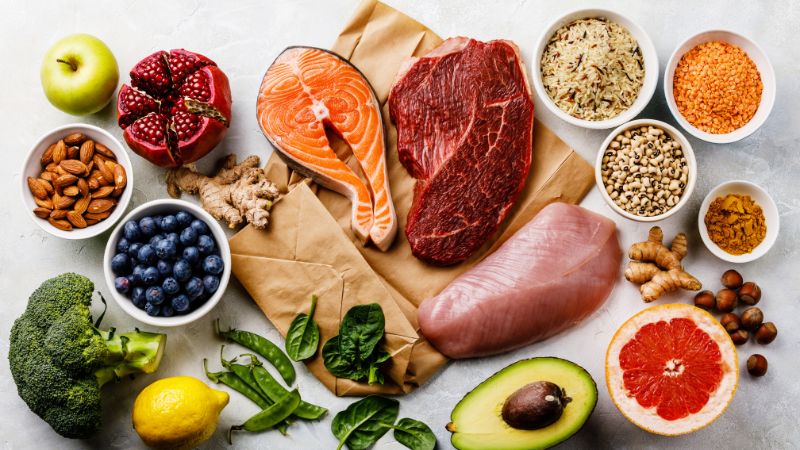
Pre-workout and recovery nutrition play a crucial role in optimizing performance, endurance, and muscle repair. Whether you’re lifting heavy, running long distances, or engaging in high-intensity workouts, the right fuel before and after exercise can make all the difference. Timing, nutrient balance, and hydration are key factors that impact energy levels, recovery speed, and overall progress.
Choosing the right foods and supplements ensures your body has the energy to perform at its best and the nutrients needed to repair and rebuild. Pre-workout meals focus on sustaining energy and improving endurance, while post-workout nutrition is all about replenishing glycogen stores, reducing muscle soreness, and supporting growth. Below, we’ll break down essential aspects of pre-workout and recovery nutrition.
Importance of Pre-Workout Nutrition
Pre-workout nutrition fuels your body with the necessary energy to perform at your peak. The right balance of macronutrients—carbohydrates, protein, and fats—can determine how well you sustain your energy during exercise. Without proper fueling, you may experience fatigue, reduced performance, and even muscle breakdown.
Carbohydrates are essential because they provide quick and easily accessible energy. Whole grains, fruits, and starchy vegetables help maintain blood sugar levels and delay fatigue. Including a moderate amount of protein can also support muscle endurance and prevent excessive muscle breakdown during intense training.
Timing is crucial when it comes to pre-workout nutrition. Eating too early can leave you feeling hungry, while eating too late may cause discomfort. Ideally, a balanced meal should be consumed 2-3 hours before exercise, while a smaller snack can be eaten 30-60 minutes before for an extra boost.
Best Pre-Workout Foods
Choosing the right foods before training ensures sustained energy without digestive discomfort. A combination of complex carbohydrates, lean protein, and healthy fats is ideal. The goal is to provide long-lasting energy while avoiding sudden spikes and crashes.
Oatmeal with banana and peanut butter is an excellent pre-workout choice. It provides slow-digesting carbs, natural sugars, and a bit of healthy fat for sustained energy. Greek yogurt with berries and granola is another great option, offering protein and fiber to keep you full and energized.
For those who train early in the morning or need a quick snack, a banana with almond butter or a protein smoothie with oats can be a great solution. These options are easy to digest and won’t weigh you down during exercise.
Pre-Workout Supplements
Pre-workout supplements can enhance energy levels, improve endurance, and delay fatigue. Many include caffeine, amino acids, and nitric oxide boosters that increase blood flow to muscles, improving performance and focus.
Caffeine is one of the most common ingredients in pre-workout formulas. It enhances alertness, reduces perceived exertion, and can even boost endurance. However, it’s important to monitor caffeine intake to avoid jitters or crashes, especially for those sensitive to stimulants.
BCAAs (branched-chain amino acids) are another useful supplement. They help prevent muscle breakdown during intense training and promote faster recovery. Some athletes also use creatine for improved strength and power, particularly in resistance training and sprint-based sports.
Importance of Hydration
Hydration is often overlooked in pre-workout and recovery nutrition, yet it plays a significant role in performance and recovery. Dehydration can lead to fatigue, reduced endurance, and impaired muscle function.
Drinking water throughout the day ensures proper hydration before exercise. For intense or prolonged workouts, adding electrolytes helps maintain fluid balance and prevent cramps. Coconut water, electrolyte tablets, or sports drinks can be beneficial, especially in hot conditions.
Post-workout, rehydration is just as crucial. Sweating leads to loss of fluids and electrolytes, which need to be replenished. Drinking water, along with sodium and potassium-rich foods, supports recovery and prevents dehydration-related fatigue.
Recovery Nutrition Basics
Post-workout nutrition is essential for muscle recovery, glycogen replenishment, and reducing soreness. Eating the right nutrients after exercise helps speed up recovery and enhances muscle growth.
Carbohydrates restore glycogen levels depleted during exercise. Protein provides the necessary amino acids for muscle repair. Healthy fats, while not as critical immediately post-workout, can support overall recovery and reduce inflammation.
The timing of post-workout nutrition matters. A meal or snack within 30-60 minutes of training maximizes recovery benefits. This window is when the body is most efficient at absorbing nutrients to rebuild muscle tissue and replenish energy stores.
Best Post-Workout Foods
After a workout, your body needs a mix of protein and carbs to recover effectively. Lean meats, eggs, dairy, and plant-based protein sources help repair muscle fibers and promote growth.
Grilled chicken with quinoa and steamed vegetables is an excellent post-workout meal. It provides protein for muscle repair and complex carbs to replenish glycogen. A protein smoothie with banana, Greek yogurt, and honey is another great option for a quick recovery boost.
For those who prefer plant-based options, a tofu stir-fry with brown rice or a peanut butter and banana sandwich on whole-grain bread can be effective. These meals provide the necessary macronutrients for efficient recovery.
Protein for Muscle Recovery
Protein is a key nutrient in recovery nutrition, as it supports muscle repair and growth. The body breaks down muscle fibers during exercise, and protein helps rebuild them stronger.
Whey protein is a popular option due to its fast absorption and high-quality amino acid profile. It is ideal for those looking to quickly replenish muscle protein synthesis. Plant-based proteins, like pea or rice protein, are excellent alternatives for vegans.
Consuming protein throughout the day also supports continuous muscle repair. Including protein-rich snacks, such as cottage cheese, eggs, or nuts, can help maintain muscle recovery beyond the immediate post-workout window.
Carbohydrates and Glycogen Replenishment
Carbohydrates play a crucial role in recovery by replenishing glycogen stores. Glycogen is the body’s primary fuel source, and exercise depletes these reserves, especially in endurance activities.
Simple carbohydrates, such as fruits and white rice, are quickly digested and absorbed, making them ideal for post-workout recovery. More complex carbohydrates, like sweet potatoes and whole grains, provide sustained energy and additional nutrients.
The ratio of carbohydrates to protein matters. A common recommendation is a 3:1 or 4:1 ratio of carbs to protein for optimal glycogen replenishment and muscle repair, particularly for endurance athletes.
Post-Workout Supplements
Supplements can enhance recovery, reduce muscle soreness, and improve performance over time. Protein powders, BCAAs, and omega-3 fatty acids are among the most effective options.
BCAAs help reduce muscle breakdown and promote protein synthesis. They are particularly useful for those performing fasted workouts or engaging in high-volume training. Creatine, often associated with strength training, also aids in recovery by replenishing ATP stores.
Omega-3 fatty acids from fish oil or flaxseeds can help reduce inflammation and support joint health. Including these supplements in your routine can lead to faster recovery and reduced post-exercise stiffness.
The Role of Sleep in Recovery
Sleep is one of the most overlooked aspects of recovery. It is during sleep that the body repairs muscle tissue, restores energy levels, and releases growth hormones crucial for recovery.
Lack of sleep can hinder muscle repair, slow down recovery, and increase the risk of injuries. Aim for 7-9 hours of quality sleep per night to maximize recovery benefits.
Establishing a nighttime routine, avoiding screens before bed, and maintaining a consistent sleep schedule can improve sleep quality. Proper sleep enhances muscle recovery, energy levels, and overall performance.
Common Mistakes in Pre- and Post-Workout Nutrition
Many people unknowingly make mistakes that hinder their performance and recovery. Skipping pre-workout meals, not consuming enough protein post-workout, and neglecting hydration are some of the most common errors.
Some avoid carbohydrates out of fear of gaining weight, but this can negatively impact performance and recovery. Carbs are essential for energy and muscle glycogen replenishment.
Not consuming enough post-workout protein can slow muscle repair. It’s important to have a protein-rich meal or supplement shortly after exercise to optimize recovery and muscle growth.
Tailoring Nutrition to Your Workout
Your nutrition plan should align with your specific workout goals. Endurance athletes, strength trainers, and those engaging in high-intensity interval training (HIIT) have different nutritional needs.
Endurance athletes require more carbohydrates to sustain energy levels, while strength trainers need higher protein intake for muscle repair and growth. HIIT athletes benefit from a balance of carbs and protein to support recovery and performance.
Personalizing your nutrition based on workout intensity, duration, and goals helps maximize results. Experimenting with different meal timings, macronutrient ratios, and supplements can help fine-tune your approach to better performance and recovery.