
Clean Living Inspiration

Many people want to live a healthier life and feel good about their daily habits. Clean living often involves reducing toxins, making mindful choices, and nurturing both body and mind. It is about being more aware of what we eat, how we move, and the products we use every day. By focusing on a cleaner lifestyle, we can boost our energy levels, protect our health, and even help the environment.
There is no single path to clean living. It can look different for everyone. Some may focus on eating fresh foods and cutting back on processed items. Others might replace harsh cleaning supplies with simpler alternatives. Many people explore mindfulness or try to get back in touch with nature. No matter which direction you choose, you will likely discover new ways to feel refreshed, healthier, and more inspired.
What Clean Living Means

Clean living means focusing on healthy, natural habits that support our well-being. This might involve choosing whole foods instead of heavily processed meals. It can also include using eco-friendly products at home to cut down on harsh chemicals. Clean living often aims to reduce the negative impact we have on our bodies and the planet.
Some people think clean living requires a strict or expensive routine, but that is not always true. Simply being more mindful can bring great benefits. This can mean reading labels, picking foods without added sugars, or opting for natural beauty items. Each small change adds up and helps create a safer and healthier environment.
Clean living is not about perfection. It is about finding practical ways to minimize toxins and maximize health. Everyone can decide how far to go on their personal journey. The key is to make informed choices, stay curious, and keep looking for gentle, eco-friendly alternatives that make us feel good about our daily lives.
Benefits for Your Body

Our bodies thrive when we give them nutritious foods and cut back on extra chemicals. Clean living often leads to clearer skin, better energy, and improved digestion. Fresh fruits and vegetables help supply important nutrients and antioxidants that keep our cells functioning well.
Avoiding heavily processed foods and sugary snacks can also help manage weight. When we skip artificial additives, our bodies can focus on natural energy sources. This often results in fewer spikes and crashes during the day. Many people feel more alert when they eat meals based on whole, nutrient-dense ingredients.
Physical activity is another part of clean living. Moving our bodies daily supports cardiovascular health, muscle strength, and a healthy metabolism. Even a simple routine like walking or stretching can help us sleep better and maintain a balanced mood. Clean living encourages us to give our bodies what they need to run at their best.
Benefits for Your Mind
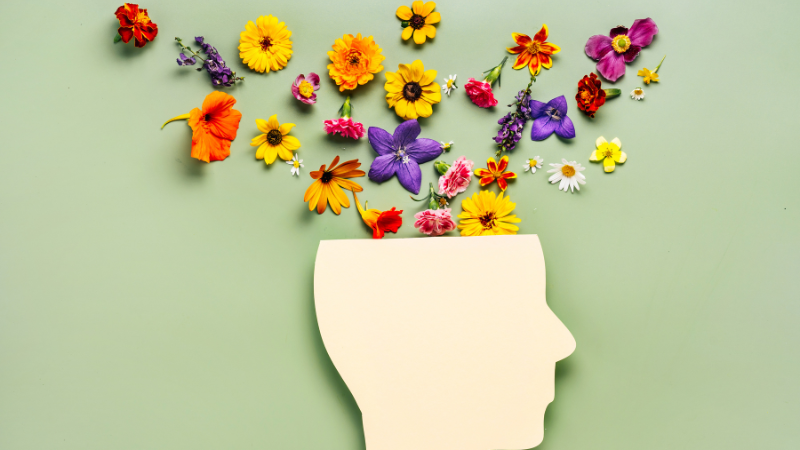
Clean living can also help our mental state. When we choose foods that are rich in vitamins and minerals, our brains often work more efficiently. This can lead to better focus and an overall calmer outlook. Nutrients like omega-3 fatty acids may also improve mood and reduce anxiety.
A cleaner lifestyle includes making space for relaxation and mindfulness. Some people find comfort in activities like yoga or meditation. Others might enjoy journaling or long walks in nature. These habits can reduce stress, boost creativity, and provide a sense of peace. They remind us to slow down and connect with what truly matters.
Another benefit is confidence. When we take positive actions for our well-being, we often feel more self-assured. Little by little, these choices build up a sense of pride and inner strength. Clean living becomes a way to show ourselves kindness, which can transform how we handle everyday pressures.
Healthy Eating Habits

Healthy eating is a big part of clean living. This does not mean following a harsh or restrictive diet. Instead, it encourages balanced meals with fruits, vegetables, lean proteins, and whole grains. By choosing a variety of colors and textures, we ensure our bodies get an array of nutrients.
Paying attention to portion sizes can help us stay aware of how much we are consuming. We do not have to count every calorie. Instead, a balanced plate often includes half vegetables, a quarter protein, and a quarter starch. This approach can prevent overeating and keep our energy steady.
Many people also pay attention to the source of their food. Local and organic products often have fewer pesticides. They may also taste fresher. Buying from nearby farms can support local economies and reduce the environmental impact of transportation. These small steps bring us closer to a cleaner, more sustainable lifestyle.
Choosing Natural Products
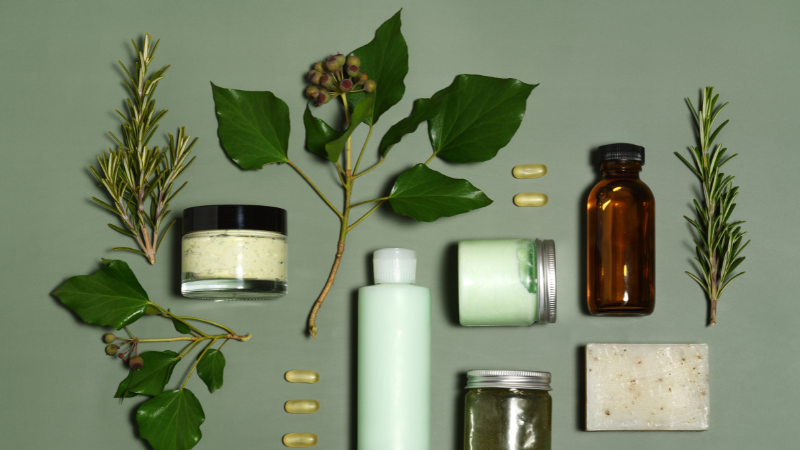
Choosing natural products can reduce our exposure to harmful chemicals. This applies to items like shampoos, lotions, and makeup. Many popular brands include substances that might irritate skin or disrupt hormones. By switching to cleaner alternatives, we may experience fewer reactions or sensitivities.
Reading labels is a good place to start. Look for certifications like cruelty-free or vegan if those matter to you. Try to avoid long ingredient lists with words that are hard to pronounce. Many smaller brands focus on simple, plant-based formulas. These choices can help protect both our skin and the planet.
We can also look for eco-friendly packaging when possible. Items that come in glass or recyclable materials produce less waste. Over time, these choices cut down on our environmental footprint. When enough people support natural, low-waste brands, we encourage companies to create more responsible products.
Saying No to Toxic Chemicals
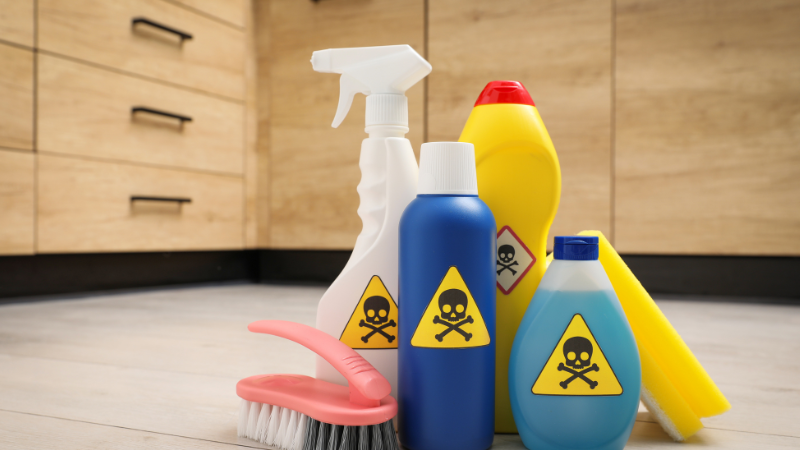
Living clean means limiting toxins as much as possible. This can include staying away from products with harsh pesticides, phthalates, or parabens. It might also mean avoiding synthetic fragrances or dyes. Many household supplies and personal care items contain chemicals we often overlook.
One step is to become more aware of what is in our home. For example, check the cleaners we use on floors, counters, and bathrooms. Some formulas contain volatile organic compounds that linger in the air. Switching to simpler solutions with ingredients like vinegar, baking soda, or essential oils can keep indoor air healthier.
Clothing and furniture can also harbor chemicals. Certain fabrics are treated with flame retardants or wrinkle-resistant coatings. While it is not always possible to remove every substance, washing new clothes or airing out new furniture helps reduce potential irritants. Taking small steps to say no to toxic chemicals can have a real impact on how fresh and comfortable our homes feel.
Green Cleaning at Home
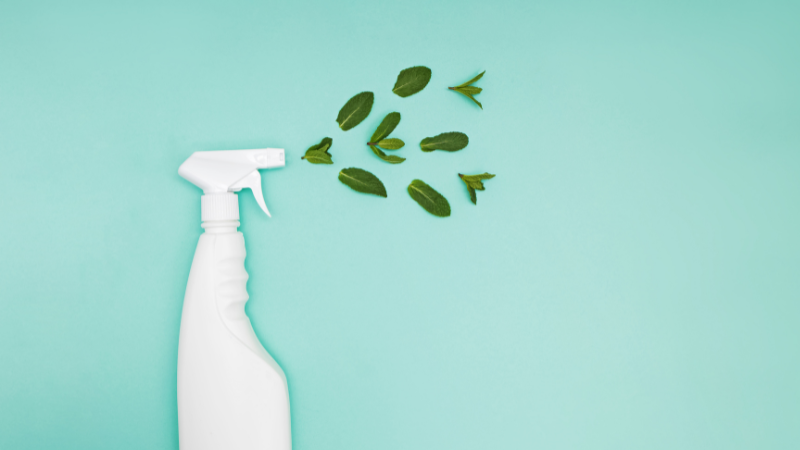
Green cleaning helps keep our homes clean without exposing us to strong chemicals. Many people use a mix of white vinegar and water for surfaces or mirrors. Baking soda can act as a gentle scrub for sinks and bathtubs. Adding a few drops of essential oil brings a fresh scent without synthetic fragrances.
Making our own cleaners can be cost-effective and easy. By preparing solutions at home, we know exactly what ingredients are included. This can reduce the risk of allergic reactions or harm to pets and children. It can also cut down on single-use plastic bottles, which is better for the environment.
If DIY options are not appealing, many stores now offer green cleaning brands. They often feature plant-based ingredients and biodegradable packaging. Some even provide refill stations to reduce waste. Green cleaning is not only healthier for us. It also supports a cleaner planet by minimizing pollution and plastic use.
Stress Management and Self-Care
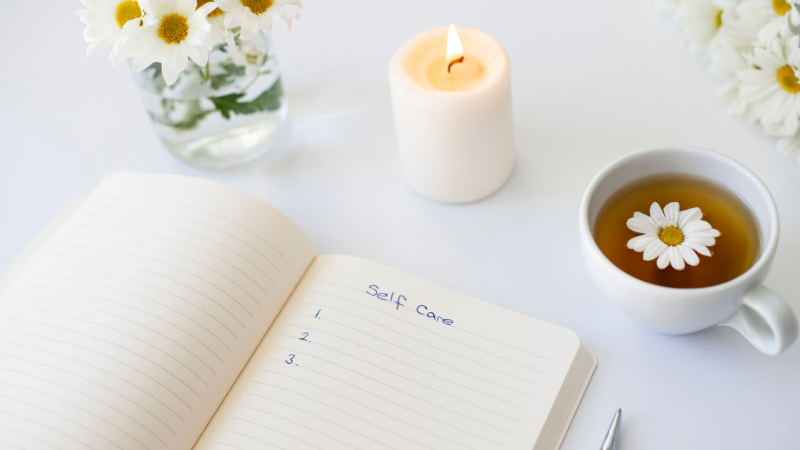
Clean living is not just about food or household items. It also involves taking care of our mental and emotional health. Stress can weaken our immune system and interrupt our sleep. Simple habits like deep breathing, stretching, or short breaks throughout the day can help us relax.
Self-care looks different for everyone. Some people find solace in journaling or reading. Others might enjoy painting or cooking healthy meals. The purpose is to engage in activities that recharge our emotional batteries. Giving ourselves this time can lower anxiety, boost mood, and even improve focus.
Quality sleep is another essential part of self-care. Our bodies do much of their repair and healing while we rest. Clean living supports better sleep by promoting routines that reduce caffeine and heavy meals before bedtime. A calm and clutter-free bedroom can also help us wind down and enjoy deeper rest.
Aligning with Nature

Living clean often means aligning more with nature. Spending time outdoors is one way to do this. Fresh air and natural light can improve mood and provide extra vitamin D. A walk, hike, or simple backyard break can keep us grounded and mindful.
Growing our own herbs or vegetables is another way to connect with nature. Even a small windowsill garden can be fun. It teaches us to appreciate how food is grown and reminds us of the effort that goes into producing our meals. Gardening can also reduce stress, as it encourages us to slow down and care for living things.
We might also choose items that celebrate natural materials, like cotton or bamboo. These fabrics tend to be more breathable and kinder to the planet than synthetic options. Aligning with nature means being aware of how our choices affect the environment. In turn, we enjoy a simpler, more peaceful relationship with the world around us.
Practical Tips for Everyday Life

Clean living does not have to be complicated. Small steps can lead to big changes over time. For example, you can take reusable grocery bags on your shopping trips to reduce plastic waste. Or you can switch from plastic water bottles to a refillable stainless steel one. These simple actions can make a positive impact on the environment.
Meal planning can also help. Deciding on a few healthy recipes for the week reduces the temptation to reach for fast food. It can also lower food waste, since you only buy what you plan to use. This saves money and supports a clean, organized kitchen.
Another tip is to look for local produce, especially if you have a farmers market nearby. Fruits and vegetables that travel fewer miles may have a smaller carbon footprint and higher nutrient content. They often taste better, too. Adding these fresh items to your meals is a great way to stay excited about your clean living journey.
Staying Motivated and Inspired
It can be challenging to maintain new habits when life gets busy. One way to stay motivated is to keep track of improvements. Maybe you feel more energetic, sleep better, or enjoy clearer skin. Writing down these changes or sharing them with a friend can remind you why you started in the first place.
Finding a community or support system can also keep you inspired. This might be an online group, a local club, or a few friends who share your enthusiasm for clean living. You can swap ideas, recipes, and product recommendations. This support makes it easier to deal with setbacks and encourages you to keep moving forward.
Remember to celebrate progress rather than aiming for perfection. Even if you slip back into old habits sometimes, you can always refocus. Each day is a chance to make better choices. Over time, these efforts become more natural, and you discover new ways to enjoy clean, healthy living.
Mindful Technology Use

Our relationship with digital devices is another area that can affect our overall well-being. Constant notifications and screen time may lead to stress or poor posture. Clean living can include being aware of how we use technology. Turning off unneeded alerts or setting device-free times can help us be more present.
We might use technology to support clean living as well. Many apps provide guided meditations or track our water intake. Some can help us locate clean recipes or eco-friendly stores. By using devices in a mindful way, we harness their benefits without letting them take over our lives.
Taking breaks from screens can reduce eye strain, help us sleep better, and let us enjoy real-world connections more fully. By striking a balance, we ensure that technology works for us instead of overwhelming our free time. This approach complements the idea of living clean, where our choices support our health rather than distract from it.
Reducing Waste and Recycling
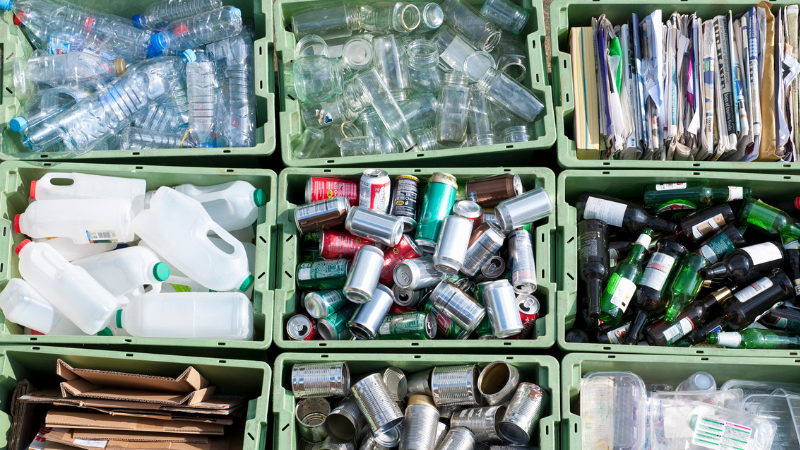
Clean living also involves managing our waste. Recycling is a familiar step, but we can do more. We can try to reuse or repurpose items before tossing them out. This might include using glass jars for storage or old T-shirts as cleaning rags. Small habits like these reduce the need for new products and keep items out of landfills.
Composting is another way to handle food scraps. Instead of throwing peels or leftovers in the trash, composting turns them into nutrient-rich soil. This is great for gardens or even small houseplants. It also cuts down on methane emissions in landfills. Over time, composting can become a simple habit that feeds back into a more sustainable lifestyle.
Cutting back on single-use plastic is often one of the most impactful steps. Plastic utensils, straws, and packaging can accumulate quickly. By keeping reusable items on hand, such as a travel fork or shopping bags, we can say no to extra waste. This aligns perfectly with living clean, because it reduces clutter and protects the environment.
Finding Your Balance
Clean living can feel overwhelming if we try to change everything at once. The goal is to find a balance that suits our lives and priorities. Some people focus more on diet, while others begin with safer cleaning products. A gradual shift allows our habits to become part of our lifestyle without causing too much stress.
Listening to our bodies and our environment helps us set realistic goals. If we notice frequent headaches or skin irritation, maybe we should swap out certain personal care items. If we feel sluggish, looking at food choices might help. This process is about self-discovery and learning what helps us feel our best.
We also need to remember that perfection is not the goal. Life throws curveballs, and sometimes we cannot control certain situations. Clean living is a continuous path where each choice can make a difference. It is about showing kindness to ourselves and the world, one step at a time.
Overcoming Common Challenges
Common challenges arise when we are busy or have limited resources. For example, buying all organic items might be expensive, or we might not have time to cook every meal from scratch. In these cases, doing what we can is better than doing nothing at all. We can focus on a few key areas first, like reducing sugar or finding local produce on sale.
Another hurdle is dealing with skepticism from others who think clean living is unnecessary or too strict. It helps to explain how these changes make you feel healthier and calmer. Over time, they may see the positive impact on your energy or mood. Sometimes, people become curious and join in once they notice real benefits.
Lack of time can be solved by planning ahead. Simple meal prep once or twice a week can provide healthy choices for busy days. Keeping a few natural cleaning supplies ready can cut down on the impulse to buy harsh chemicals in a hurry. Small efforts add up, even when life is hectic.
Positive Impact on the Environment

Choosing a cleaner lifestyle can also help protect our planet. When we opt for natural products, we often support companies that care about sustainable practices. This might include ethical sourcing, fair trade, or reduced packaging. Those actions encourage more brands to consider their environmental impact.
Cutting back on waste helps keep landfills smaller. This is especially important for plastic items that can take hundreds of years to break down. Even small changes, like switching to bar soap or shampoo bars, can reduce the amount of plastic we throw away. Over time, these decisions add up in a meaningful way.
We can also help our communities by sharing tips for clean living. When neighbors and friends see our positive changes, they might feel inspired to follow suit. This can spark a wider cultural shift toward caring for the environment. Sometimes, just one conversation can plant the seed that grows into a neighborhood compost program or a local initiative.
Celebrating Small Victories
We can stay motivated by celebrating small victories. Perhaps you managed a week without single-use plastic. Maybe you replaced your household cleaners with simple DIY solutions. Recognizing these milestones reminds us that progress happens one choice at a time.
Celebrations do not have to be lavish. They can be as simple as treating yourself to a relaxing bath or enjoying a home-cooked meal. Some people like to keep a list of accomplishments to look back on. This can serve as inspiration on days when things feel challenging.
Sharing successes with others can also create positive momentum. Posting on social media or telling a friend can encourage them to try something new. Each success, big or small, contributes to the overall journey of cleaner, healthier living. By embracing the small steps, we keep ourselves motivated and eager to learn more.
Final Thoughts
Clean living inspiration comes from recognizing how our everyday habits shape our health and the world around us. By focusing on natural choices and mindful routines, we can reduce toxins, boost our well-being, and protect the environment. This does not mean life becomes a strict set of rules. Rather, it is an ongoing process of learning, experimenting, and making gradual improvements.
Sometimes, the hardest part is just getting started. Yet once we try simple steps, like reading labels or cutting back on plastic, we often notice positive changes. We may feel more energetic, breathe easier in our homes, and discover new ways to connect with nature. These rewards keep us inspired to explore further.
Clean living is ultimately about caring for ourselves, each other, and the planet. Small efforts can create big effects when we stay consistent. By sharing what we learn, we encourage a ripple effect that spreads healthier habits throughout our communities. In the end, it is a journey that nurtures the body, soothes the mind, and makes the world a cleaner place for all.