Healthy Lifestyle for Women

Adopting a healthy lifestyle is a journey that encompasses a wide range of practices, from balanced eating to regular physical activity, and mental wellness. For women, tailoring these practices to align with their unique physiological needs can lead to sustained health and a heightened sense of well-being. This guide offers a deep dive into thirteen aspects of a healthy lifestyle that are particularly important for women at any stage of life.
Creating a healthy lifestyle doesn’t just help in maintaining a desirable weight, it also improves the quality of life, reduces the risk of chronic diseases, and enhances mental health. Each section below will explore essential tips that every woman can incorporate into her daily routine, ensuring a holistic approach to health and happiness.
1. Balanced Diet
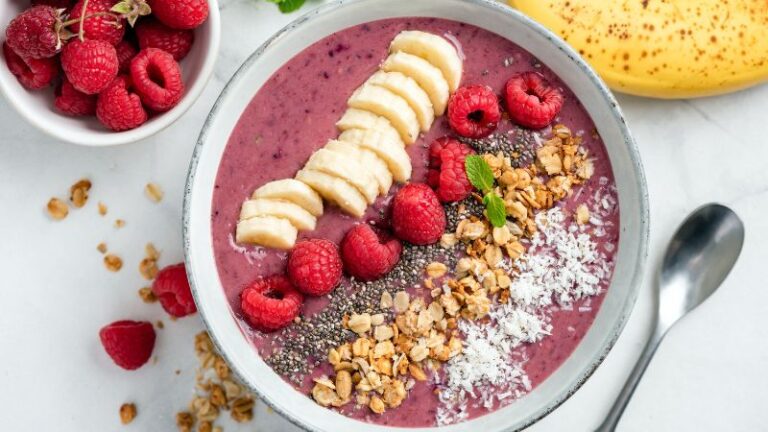
Eating a balanced diet is foundational to a healthy lifestyle. Aim for a variety of fruits, vegetables, whole grains, and lean proteins to ensure your body gets a comprehensive mix of nutrients. This diversity not only supports your physical health but also stabilizes your mood and energy levels.
Focus on iron-rich foods like spinach, lentils, and lean meats, especially important for women of childbearing age to prevent anemia. Pairing these with vitamin C-rich foods like oranges and bell peppers can enhance iron absorption.
Don’t skip meals, especially breakfast, as it fuels your body for the day and helps prevent overeating later. Planning meals can help manage portion control and maintain a balanced intake of calories throughout the day.
2. Regular Exercise
Regular exercise is crucial for heart health, muscle strength, and mental well-being. Aim for at least 150 minutes of moderate aerobic activity or 75 minutes of vigorous activity each week, as recommended by health authorities.
Incorporate strength training exercises two or more days a week. These help build muscle mass, which naturally declines with age, and support bone health, crucial for women as they are at a higher risk of osteoporosis.
Find activities you enjoy to make regular exercise a fun and anticipated part of your day. Whether it’s yoga, swimming, cycling, or dancing, enjoying your workouts makes it more likely that you’ll stick with them long-term.
3. Adequate Sleep
Sleep affects every aspect of health, and getting enough rest is essential for energy, mental clarity, and even weight management. Aim for 7-9 hours of quality sleep per night, as recommended for most adults.
Create a relaxing bedtime routine to help signal to your body that it’s time to wind down. This could include reading, meditating, or taking a warm bath. Try to go to bed and wake up at the same time every day to regulate your body’s clock.
Limit exposure to screens and bright lights before bedtime. The blue light emitted by phones, tablets, and computers can disrupt your natural sleep-wake cycle and make it harder to fall asleep.
4. Stress Management
Managing stress is crucial for maintaining mental and physical health. Chronic stress can lead to a host of health issues, including heart disease, anxiety, and depression. Finding effective ways to manage stress is therefore critical.
Practice relaxation techniques such as deep breathing, meditation, or yoga. These practices not only help reduce stress but also improve your overall emotional resilience.
Set aside time for hobbies and activities you enjoy. Engaging in leisure activities can help distract from stressful situations and improve your mood.
Learn to say no. Overcommitting can lead to burnout, so it’s important to set healthy boundaries in both personal and professional life.
5. Hydration
Staying hydrated is important for maintaining the function of every system in your body, including your heart, brain, and muscles. It also helps keep your skin supple and healthy.
Aim to drink at least eight 8-ounce glasses of water a day, more if you’re active or live in a hot climate. Carrying a reusable water bottle can help you remember to drink water throughout the day.
If you find plain water unappealing, try adding a slice of lemon, lime, or cucumber for a bit of flavor. Herbal teas are also a great hydration option and can be enjoyed hot or iced.
6. Regular Health Check-ups
Regular visits to your doctor for check-ups and screenings can catch potential health issues early, when they’re often easier to treat. This includes screenings for breast cancer, cervical cancer, and bone density tests.
Discuss with your healthcare provider which screenings are appropriate for your age and health history. It’s also a good time to discuss any health concerns you may have.
Don’t overlook dental health. Regular dentist visits for cleanings and checkups prevent problems like decay and gum disease, which can affect your overall health.
7. Mental Health
Mental health is just as important as physical health. Be proactive in caring for your mental well-being by recognizing signs of depression, anxiety, or other mental health disorders.
Talk to a professional if you’re feeling overwhelmed. Therapy can be an effective tool for dealing with life’s challenges and improving your mental health.
Connect with others. Maintaining strong relationships with friends and family can provide emotional support and reduce feelings of loneliness and isolation.
8. Skin Care
Skin is the body’s largest organ and its care is often a reflection of overall health. Protect your skin from the sun’s harmful UV rays by wearing sunscreen with at least SPF 30, even on cloudy days or during winter.
Moisturize daily to maintain your skin’s barrier and prevent dryness. Choose products that match your skin type and address any specific concerns like acne or sensitivity.
Stay away from smoking and excessive alcohol consumption, as both can age your skin prematurely and lead to other health problems.
9. Balanced Work-Life
Maintaining a balance between work and personal life is crucial for reducing stress and preventing burnout. Set clear boundaries between work hours and personal time, and stick to them as much as possible.
Learn to delegate both at work and at home. Sharing responsibilities can help reduce the burden and stress that often comes from trying to manage everything on your own.
Take regular breaks during work hours to clear your mind. Short breaks throughout the day can improve productivity and concentration.
10. Healthy Weight
Maintaining a healthy weight is important for overall health and well-being. It reduces the risk of developing diseases such as diabetes, heart disease, and certain cancers.
Focus on nutrition and regular exercise as key components of maintaining a healthy weight. Avoid fad diets that promise quick results but don’t provide long-term sustainability.
Understand that healthy weight management is a lifelong commitment. It’s about making healthier food choices and staying active, not adhering to restrictive diets that are hard to maintain.
11. Limit Alcohol and Quit Smoking
Limiting alcohol intake can reduce your risk of several types of cancer, liver disease, and heart disease, while also helping you manage your weight.
If you smoke, quitting is one of the best things you can do for your health. Smoking affects nearly every organ in your body, including your heart and lungs, and quitting can significantly reduce your risk of disease.
Seek support if you need help quitting. There are many resources available, from medications to therapy to support groups, that can increase your chances of success.
12. Safe Sex
Practicing safe sex is crucial for protecting against sexually transmitted infections (STIs) and unplanned pregnancies. Use condoms correctly and consistently, and discuss STI testing with your partner.
Consider all your contraceptive options to find what works best for you. Consult with a healthcare provider to discuss the benefits and risks of different methods.
Be open and honest with your sexual partners about your sexual health. Communication is key to maintaining both physical and emotional well-being.
13. Positive Outlook
Maintaining a positive outlook can impact your physical health in beneficial ways, including lowering blood pressure, reducing the risk of heart disease, and improving overall physical well-being.
Practice gratitude by keeping a journal or mentally acknowledging things you’re grateful for daily. This can shift your focus from negative to positive aspects of your life.
Surround yourself with positive people. The support and positive energy of others can be contagious and greatly impact your own mental state and resilience.