
Stress Management and Relaxation
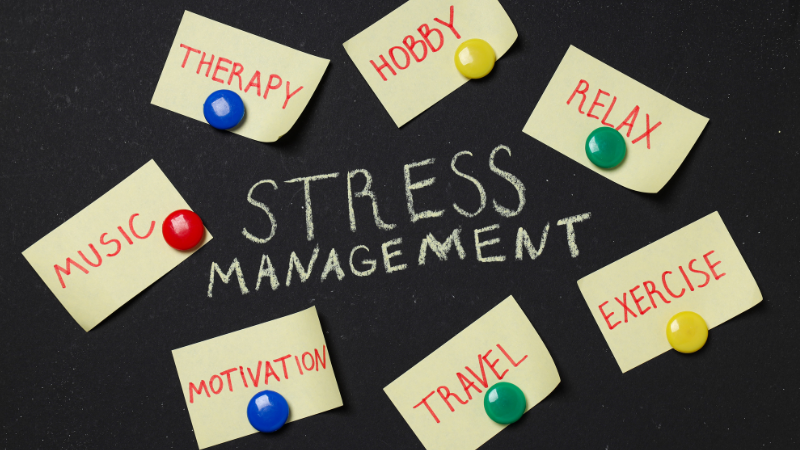
Managing stress effectively is crucial for maintaining overall well-being, mental clarity, and physical health. In today’s fast-paced world, chronic stress can lead to anxiety, fatigue, and even serious health conditions. Finding effective ways to relax and reset is essential for balancing daily pressures and improving quality of life.
Stress management involves both immediate relaxation techniques and long-term lifestyle adjustments. By incorporating simple yet powerful habits into your routine, you can reduce stress levels, boost mood, and enhance overall resilience. Below are 11 essential strategies for managing stress and promoting relaxation.
1. Deep Breathing Exercises
Deep breathing helps activate the body’s relaxation response, lowering heart rate and reducing tension. Focusing on slow, controlled breaths can immediately calm the nervous system.
One effective technique is the 4-7-8 method: inhale for four seconds, hold for seven, and exhale for eight. This pattern slows the heart rate and promotes a sense of calm.
Practicing deep breathing for just a few minutes each day can make a significant difference in stress levels. It’s a simple yet powerful tool that can be used anytime, anywhere.
2. Meditation and Mindfulness
Meditation helps quiet the mind and reduce the effects of stress. Mindfulness meditation, in particular, focuses on being present in the moment, which helps shift attention away from stressors.
Even five to ten minutes of daily meditation can lower cortisol levels and improve emotional resilience. Guided meditations, breathing exercises, or silent mindfulness practices all offer stress-relieving benefits.
Apps and online resources make it easy to incorporate meditation into a daily routine. The key is consistency—regular practice leads to better stress management and relaxation.
3. Progressive Muscle Relaxation
Progressive muscle relaxation (PMR) involves tensing and then slowly releasing different muscle groups. This practice helps reduce physical tension and promotes a sense of calm.
To perform PMR, start at the feet, tensing the muscles for a few seconds before releasing. Move upward through the body, focusing on areas that hold tension, such as the shoulders and neck.
PMR is especially useful before bedtime to improve sleep quality. It trains the body to recognize and release stress-related tension, making relaxation easier.
4. Exercise and Physical Activity
Exercise is one of the best natural stress relievers. Physical activity releases endorphins, which improve mood and help combat stress-related hormones like cortisol.
Cardio workouts, such as running or cycling, are effective for immediate stress relief. Strength training and yoga also provide long-term benefits by improving overall resilience and reducing tension.
Even a short walk outdoors can have a calming effect. Movement combined with fresh air and nature exposure enhances mental clarity and lowers stress levels.
5. Journaling and Expressive Writing
Writing down thoughts and emotions can be a powerful tool for managing stress. Journaling provides an outlet to process feelings, identify triggers, and find solutions.
Gratitude journaling, where you list things you’re thankful for, can shift focus away from stress and towards positive aspects of life. This simple practice improves mood and emotional balance.
For those dealing with overwhelming stress, expressive writing can help process emotions. Writing freely about feelings and concerns helps gain clarity and reduce mental burden.
6. Listening to Calming Music
Music has a profound impact on mood and stress levels. Slow, instrumental, or nature sounds can help relax the mind and promote a sense of peace.
Classical music, lo-fi beats, or guided relaxation tracks are excellent choices for unwinding. The rhythm and melody help slow down brain activity, reducing stress.
Creating a relaxation playlist can make it easy to incorporate music into daily stress management. Listening during commutes, before sleep, or while working can provide ongoing relief.
7. Aromatherapy and Essential Oils
Aromatherapy uses natural scents to promote relaxation and reduce stress. Essential oils like lavender, chamomile, and eucalyptus have calming effects on the nervous system.
Diffusing essential oils, adding them to a bath, or applying them to pulse points can enhance relaxation. The sense of smell directly influences mood and emotions.
Lavender, in particular, is well-known for its ability to reduce anxiety and improve sleep. Regular use of aromatherapy can create a more peaceful environment and improve overall well-being.
8. Spending Time in Nature
Nature has a restorative effect on both the mind and body. Exposure to green spaces, fresh air, and natural light can reduce stress and improve mood.
Walking in a park, hiking in the mountains, or simply sitting by a body of water provides mental clarity and relaxation. Even houseplants or small garden spaces can help bring nature indoors.
Studies show that even a few minutes spent outside each day can lower cortisol levels. Making nature a regular part of life is an easy way to improve stress management.
9. Social Support and Connection
Strong social connections help buffer against stress. Talking with friends, family, or support groups provides emotional relief and a sense of belonging.
Engaging in positive social activities, such as game nights or coffee meetups, can shift focus away from stressors. Laughter and shared experiences help reduce tension and increase happiness.
For those feeling isolated, joining a club, volunteering, or reaching out to a trusted friend can make a difference. Having a support system is essential for managing stress effectively.
10. Setting Boundaries and Managing Time
Poor time management and lack of boundaries can lead to overwhelming stress. Prioritizing tasks, setting realistic goals, and learning to say no are key strategies for reducing pressure.
Using planners, to-do lists, or digital apps helps organize tasks and prevent last-minute stress. Breaking large tasks into smaller steps makes them feel more manageable.
Setting work-life boundaries, such as disconnecting from work emails after hours, is crucial for mental well-being. Protecting personal time helps create a balance between productivity and relaxation.
11. Healthy Sleep Habits
Quality sleep is one of the most effective ways to manage stress. Poor sleep increases cortisol levels and makes it harder to cope with daily challenges.
Creating a bedtime routine, limiting screen time before bed, and maintaining a consistent sleep schedule improves rest quality. Relaxation techniques like reading, meditation, or herbal teas can also help.
Sleep is when the body and mind recover from stress. Making it a priority leads to better mood, focus, and overall resilience against life’s challenges.