Healthy Lifestyle Inspiration

A healthy lifestyle isn’t just about hitting the gym or following a strict diet—it’s a way of living that keeps your body and mind in balance. Small, consistent changes can lead to lasting results, and the best part is, you don’t have to overhaul your entire life to start seeing benefits.
If you need some motivation, these 11 healthy lifestyle inspirations will help you find practical and achievable ways to improve your well-being. Whether it’s adjusting your mindset, tweaking your routine, or simply focusing on self-care, there’s something here for everyone.

Prioritize Quality Sleep
Good sleep is the foundation of a healthy life. When you sleep well, your body repairs itself, your brain functions better, and your mood improves. Lack of sleep can lead to stress, weight gain, and a weakened immune system.
Creating a bedtime routine can help signal to your body that it’s time to wind down. Try turning off screens an hour before bed, keeping your room cool and dark, and avoiding caffeine in the evening.
If you struggle with sleep, consider relaxation techniques like deep breathing or meditation. Consistency is key—going to bed and waking up at the same time each day helps regulate your body’s internal clock.
Stay Hydrated
Drinking enough water is one of the simplest ways to support your health. Hydration affects everything from digestion to energy levels, and even mild dehydration can cause fatigue and headaches.
Carry a reusable water bottle to remind yourself to drink throughout the day. If plain water isn’t appealing, try adding lemon, cucumber, or mint for a refreshing twist.
Your body’s hydration needs depend on activity level, climate, and diet. Pay attention to thirst cues and aim to drink regularly, even if you’re not feeling thirsty.
Move Your Body Daily
Exercise doesn’t have to mean hours at the gym. Simple activities like walking, stretching, or dancing can make a big difference in your overall health. Movement improves circulation, strengthens muscles, and boosts your mood.
Find an activity you enjoy so it doesn’t feel like a chore. Whether it’s yoga, swimming, or a quick workout at home, making movement part of your routine will keep you feeling energized.
Even small changes, like taking the stairs instead of the elevator or doing bodyweight exercises during TV commercials, can add up. The goal is to stay active in a way that fits your lifestyle.
Eat Whole, Nutritious Foods
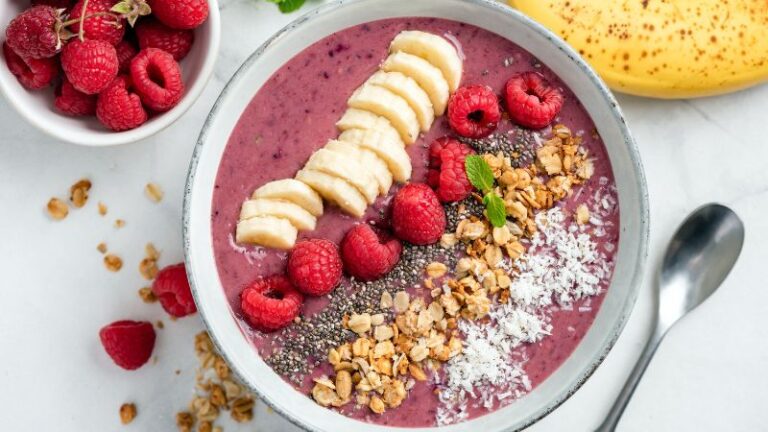
A healthy diet isn’t about restriction—it’s about fueling your body with nutrient-dense foods that make you feel good. Focus on whole foods like vegetables, fruits, lean proteins, and healthy fats.
Instead of processed snacks, opt for natural alternatives like nuts, seeds, or yogurt. Cooking meals at home gives you control over ingredients and helps you avoid excess sugar and unhealthy additives.
Meal planning can help you make better choices throughout the week. When you have healthy options readily available, you’re less likely to reach for fast food or processed meals.
Manage Stress Effectively
Chronic stress takes a toll on your body and mind, leading to fatigue, anxiety, and even physical health issues. Learning to manage stress is crucial for overall well-being.
Mindfulness techniques like meditation, journaling, or deep breathing can help calm your mind. Taking breaks throughout the day and spending time in nature can also reduce stress levels.
Finding a hobby or creative outlet can provide a mental escape and improve your mood. The key is to identify what relaxes you and make it a regular part of your routine.
Build a Positive Mindset
Your thoughts shape your reality, and maintaining a positive outlook can improve both mental and physical health. It’s not about ignoring challenges but learning how to approach them with resilience.
Practicing gratitude shifts your focus from what’s lacking to what you appreciate. Writing down three things you’re grateful for each day can help reframe your mindset.
Surrounding yourself with supportive and uplifting people also plays a big role. Positivity is contagious, and spending time with those who inspire and encourage you can boost your overall well-being.
Cultivate Healthy Relationships
Strong relationships contribute to happiness and longevity. Meaningful connections provide support, reduce stress, and enhance your sense of belonging.
Make time for friends and family, even if it’s just a quick check-in. Prioritizing relationships doesn’t have to be complicated—it’s about showing up and being present.
Setting boundaries is just as important. Surround yourself with people who uplift you and distance yourself from toxic relationships that drain your energy.
Practice Self-Care
Self-care isn’t selfish—it’s necessary. Taking time to care for yourself helps you recharge, preventing burnout and promoting overall well-being.
Self-care looks different for everyone. It could be reading a book, taking a bath, listening to music, or simply taking a few minutes to breathe deeply.
The key is to make self-care a habit rather than an afterthought. Prioritizing yourself allows you to show up as your best self in all areas of life.
Limit Screen Time
Too much screen time can negatively impact sleep, mental health, and productivity. Constant exposure to social media can also lead to comparison and stress.
Set boundaries by scheduling screen-free time, especially before bed. Engaging in offline activities like reading, cooking, or exercising can help reduce dependence on screens.
If you work on a computer, take breaks to rest your eyes and stretch. Small changes like adjusting brightness and using blue light filters can also make a difference.
Spend Time Outdoors
Nature has a powerful effect on mental and physical health. Spending time outside reduces stress, improves mood, and boosts vitamin D levels.
Even a short walk in a park can help clear your mind and increase focus. If possible, incorporate outdoor activities like hiking, gardening, or cycling into your routine.
Fresh air and sunlight can do wonders for your well-being. Make it a habit to step outside daily, even if it’s just for a few minutes.
Keep Learning and Growing
Personal growth keeps life interesting and fulfilling. Whether it’s reading, learning a new skill, or exploring a hobby, continuous learning enhances mental sharpness and creativity.
Set small, achievable goals to stay motivated. Learning doesn’t have to be formal—watching educational videos, listening to podcasts, or engaging in meaningful conversations can be just as enriching.
Challenging yourself to step out of your comfort zone builds confidence and resilience. Embracing lifelong learning helps you stay curious, open-minded, and adaptable.