Keto-Friendly Nutrition
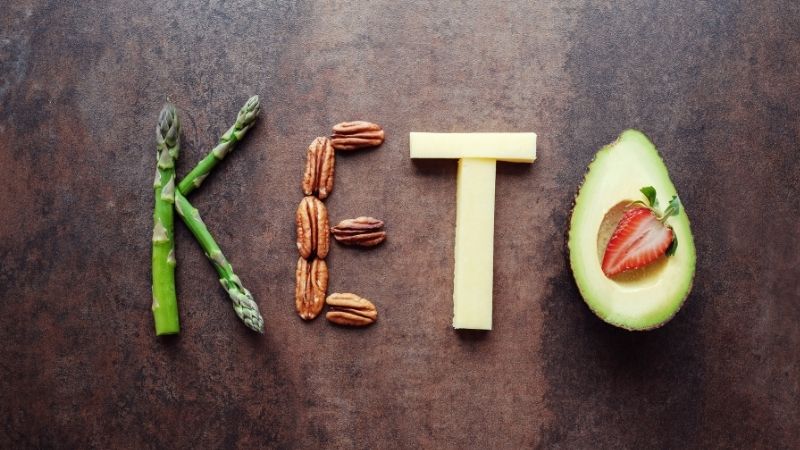
Keto is all about cutting carbs and focusing on healthy fats. This way of eating helps the body burn fat for fuel instead of sugar. Many people follow keto to lose weight, boost energy, and control blood sugar.
To get the best results, it’s important to choose the right foods and avoid common mistakes. Below are ten practical tips to help you stay on track with keto-friendly nutrition.
Eat More Healthy Fats
Fats are the main energy source on keto. But not all fats are good for you. Focus on healthy fats like avocado, olive oil, and nuts. These help keep you full and support heart health.
Avoid processed fats like vegetable oils and margarine. These can cause inflammation and other health issues. Instead, go for natural sources like coconut oil, butter, and fatty fish.
When cooking, use butter, ghee, or avocado oil instead of seed oils. These fats stay stable at high temperatures and don’t break down into harmful compounds.
Keep Carbs Low and Fiber High
Carbs need to stay low for ketosis to work. But cutting out fiber can lead to digestive problems and cravings. Get fiber from low-carb vegetables like spinach, broccoli, and cauliflower.
Avoid starchy foods like potatoes, rice, and bread. Instead, eat zucchini noodles, cauliflower rice, and almond flour-based alternatives. These help you stick to keto without feeling deprived.
Eating enough fiber also helps control hunger and supports gut health. Try adding chia seeds, flaxseeds, and leafy greens to your meals.
Choose the Right Protein Sources
Protein is important, but eating too much can slow down ketosis. The body can turn excess protein into glucose, which can kick you out of fat-burning mode.
Stick to moderate protein intake with foods like eggs, fatty fish, and meat. Avoid lean meats like chicken breast without fat, as they don’t provide enough energy on keto.
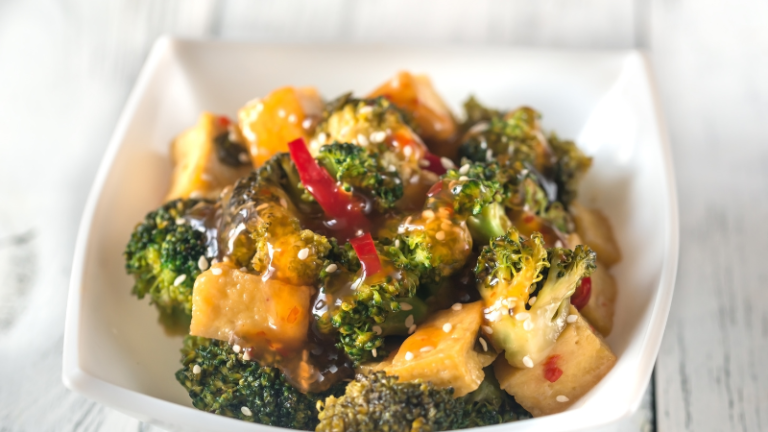
For variety, include plant-based proteins like nuts, seeds, and tofu. Just watch out for hidden carbs in processed vegetarian options.
Avoid Hidden Sugars
Many foods contain sugar, even when they don’t taste sweet. Sauces, dressings, and flavored yogurts often have added sugars that can ruin ketosis.
Check ingredient labels carefully. Look for hidden sugars listed as corn syrup, dextrose, or maltodextrin. Even small amounts can affect your progress.
Instead, choose unsweetened versions of sauces and dairy. If you need sweetness, use stevia, erythritol, or monk fruit—they won’t spike blood sugar.
Stay Hydrated and Balance Electrolytes
Keto causes the body to lose more water and minerals, which can lead to tiredness and muscle cramps. Drinking plenty of water is key to staying hydrated.
Make sure to replace lost electrolytes. Eat salt, potassium-rich foods like avocados, and magnesium sources like nuts. This helps prevent keto flu symptoms.
If you feel weak or lightheaded, drink a glass of water with a pinch of salt. Adding electrolytes to your routine keeps energy levels stable.
Watch Out for Processed Keto Foods
Keto-friendly snacks like protein bars and packaged meals may seem convenient, but many contain hidden carbs, artificial ingredients, and unhealthy oils.
Whole foods like eggs, cheese, nuts, and meats are much better options. They provide better nutrition and keep you satisfied longer.
If you do buy keto snacks, check labels for added sugars and preservatives. The fewer ingredients, the better.
Don’t Fear Cholesterol
Keto includes foods like eggs, butter, and meat, which have cholesterol. Many worry about this, but research shows dietary cholesterol doesn’t directly raise blood cholesterol.
Healthy fats can increase good HDL cholesterol and lower harmful triglycerides. This supports heart health instead of harming it.
Focus on quality sources. Grass-fed meats, wild-caught fish, and pasture-raised eggs are better choices than processed meats.
Plan Meals to Avoid Carb Cravings
Cravings happen when you’re hungry and unprepared. Planning meals ahead of time makes it easier to stick to keto.
Make a weekly meal plan with simple, high-fat meals. Cook in batches so you always have keto-friendly food ready.
If cravings hit, go for fatty snacks like cheese, olives, or a handful of nuts instead of reaching for something sugary.
Eat Enough Calories
Some people think keto is just about cutting carbs, but not eating enough can slow metabolism and cause fatigue. Make sure you’re getting enough calories from fats and proteins.
Skipping meals or eating too little can make you feel weak and cause cravings. Instead, eat until you’re satisfied, not starving or stuffed.
If you’re struggling, track your meals for a few days. Make sure you’re eating the right balance of fats, protein, and fiber.
Be Patient with Results
Keto works, but it takes time for your body to adjust. Some people see fast results, while others need a few weeks to feel the benefits.
If you hit a plateau, check for hidden carbs, drink enough water, and get enough sleep. Stress and lack of sleep can slow weight loss and energy levels.
Stick with it, and don’t compare your progress to others. Everyone’s journey is different, and consistency is what matters most.