
Fitness Tips for Women
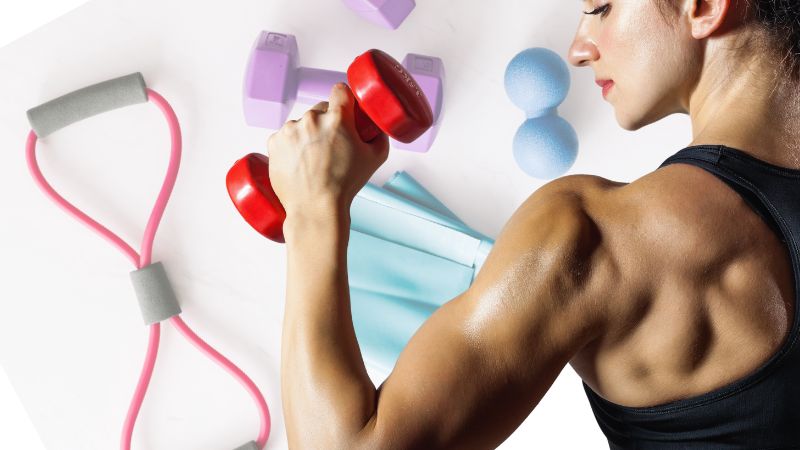
Embarking on a fitness journey can be empowering for women, offering not only physical benefits but also mental clarity and emotional stability. Tailoring your fitness routine to suit your personal needs and preferences is crucial, as what works for one woman may not work for another. This article explores thirteen fitness tips designed specifically for women, aiming to provide a balanced approach to staying active and healthy.
Each tip focuses on practical strategies that integrate seamlessly into daily life, whether you’re a seasoned athlete or just starting out. From the importance of strength training to the benefits of mindfulness in exercise, these insights cater to the holistic development of a woman’s health and fitness.
1. Set Realistic Goals
Start your fitness journey by setting achievable goals that motivate you without leading to burnout. Goals should be specific, measurable, and time-bound, like running a 5K in three months or attending three yoga classes per week. This strategy keeps you focused and provides a clear marker of your progress.
Track your achievements and celebrate them, no matter how small they seem. This reinforces your commitment to your fitness routine and boosts your confidence. If you find your goals are too ambitious or too easy, adjust them accordingly to keep yourself challenged yet not overwhelmed.
It’s also helpful to write down your goals and keep them visible. This could be as simple as posting a note on your fridge or setting reminders on your phone. The constant visual reminder helps to keep your fitness journey at the forefront of your mind, making you more likely to stick to your routine.
2. Incorporate Strength Training
Strength training is crucial, as it builds muscle, enhances metabolism, and strengthens bones. Women often shy away from weights, fearing they’ll bulk up, but moderate strength training can sculpt and tone the body without excessive muscle gain.
Focus on compound movements like squats, deadlifts, and bench presses that work multiple muscle groups at once. These exercises offer more bang for your buck, as they require more energy and help burn calories more efficiently.
Additionally, don’t underestimate the importance of rest between strength training sessions. Muscles need time to repair and grow stronger, so ensure you have at least one or two rest days per week depending on the intensity of your workouts.
3. Prioritize Flexibility and Balance
Flexibility and balance are often overlooked aspects of fitness, but they are vital for overall health and injury prevention. Activities like yoga or Pilates improve your range of motion and help prevent falls by enhancing your balance.
Incorporating a short stretching routine into your daily schedule can make a significant difference. Stretch major muscle groups and any areas of particular tightness, which can vary from person to person. This not only improves flexibility but also helps reduce post-workout soreness and improves performance in other fitness activities.
Try balance exercises such as standing on one leg or using a balance board. These can be done almost anywhere and just a few minutes per day can significantly improve your balance and core strength.
4. Embrace Cardiovascular Health
Cardio exercises like running, cycling, and swimming boost heart health, help manage weight, and increase stamina. However, it’s important to choose cardio activities that you enjoy to ensure you stick with them long-term.
Interval training, which alternates short bursts of intense activity with periods of rest, can be particularly effective for burning fat and improving cardiovascular fitness. Even adding quick bursts of jogging into your regular walks can enhance their fitness benefits.
Listen to your body and adjust the intensity of your cardio workouts according to how you feel. Some days might be good for pushing yourself, while others are better suited for moderate activity. This approach helps prevent burnout and keeps your routine sustainable.
5. Maintain Hydration
Staying hydrated is essential for overall health and aids in optimal physical performance. Water regulates body temperature, lubricates joints, and helps transport nutrients to give you energy during workouts.
Carry a water bottle with you throughout the day, especially during and after workouts. This makes it easier to drink regularly and keeps you from becoming dehydrated. If you find plain water boring, try adding slices of lemon, cucumber, or a few berries to enhance the flavor.
Recognize the signs of dehydration, which can include fatigue, dizziness, and dark urine. Keeping hydration levels up before, during, and after exercise is crucial for your body to function correctly and recover faster.
6. Listen to Your Body
Paying attention to your body’s signals is crucial for preventing injuries and understanding your limits. If you feel pain or discomfort beyond the usual muscle soreness, it may be time to take a break or consult a professional.
Rest days are as important as workout days. They allow your body to recover, prevent muscle fatigue, and reduce the risk of injuries. Don’t ignore rest days; they are a key component of any balanced fitness regimen.
Mental fatigue can also impact physical performance. If you’re feeling unusually drained or unmotivated, consider whether aspects of your broader life need attention or if it’s time to change up your routine to keep it exciting and engaging.
7. Eat Nutritiously
Fueling your body with the right nutrients supports fitness gains, recovery, and overall health. Focus on a balanced diet rich in vegetables, fruits, proteins, and whole grains to ensure your body gets the necessary nutrients it needs to perform and recover.
Pre- and post-workout nutrition is particularly important. A combination of protein and carbohydrates before and after exercise can help maintain energy levels and aid in recovery. Experiment with different foods to see what makes you feel best during and after your workouts.
Avoid overly restrictive diets that promise rapid weight loss. Sustainable eating habits that you can maintain long-term are far more beneficial for your health and fitness levels than extreme measures that might cause you to yo-yo back and forth in weight.
8. Use Technology to Your Advantage
Fitness apps and trackers can help monitor your progress, set fitness goals, and stay motivated. Whether it’s a step-counter, a workout planner, or a dietary tracking tool, technology offers myriad ways to keep your fitness journey on track.
Explore apps that offer guided workouts or yoga sessions. These can be especially useful if you’re short on time or prefer exercising at home. Many apps also provide community support, where you can connect with other women who share similar fitness goals.
Sync your fitness tracker with your phone or computer to analyze your activity patterns over time. This data can help you make informed decisions about how to adjust your workouts and improve your overall fitness strategy.
9. Dress for Success
Wearing the right workout attire can actually improve your performance and comfort during exercise. Invest in quality, well-fitting workout clothes that wick away moisture and allow for full range of motion.
Shoes are particularly important. Different types of workouts require different types of support. For example, running shoes provide different support and cushioning compared to cross-training shoes. It’s worth visiting a specialty store to get properly fitted for the right kind of shoe for your activities.
Consider the fabric of your workout clothes as well. Materials that breathe and move with you can make your workout more enjoyable and effective. Avoid fabrics that retain odors or do not manage sweat well.
10. Find a Fitness Buddy
Working out with a friend can increase motivation, keep you accountable, and make exercising more fun. Choose a workout partner with similar fitness goals and schedules to ensure consistency and mutual encouragement.
Group fitness classes are another great way to find fitness buddies. These classes often foster a sense of community and camaraderie among participants, which can be a significant motivator to keep attending.
Challenge each other with new workouts or fitness goals. This friendly competition can push you to work harder and reach new levels of physical fitness, while also strengthening your social bonds.
11. Manage Stress
Exercise is a great stress reliever, but balancing it with other forms of stress management can enhance your overall wellbeing. Techniques like meditation, deep breathing, or even a simple walk in nature can help clear your mind and reduce anxiety.
Incorporate mindfulness into your fitness routine. Being present during your workouts can help you connect more deeply with your body, making your sessions more effective and enjoyable.
Schedule regular “me-time” to do things that you enjoy outside of fitness. Whether it’s reading, painting, or spending time with loved ones, taking time for yourself helps manage stress and keeps your life balanced.
12. Challenge Yourself
Once you’ve established a fitness routine, it’s important to keep challenging yourself to avoid plateaus. Try increasing the intensity of your workouts, adding new exercises, or changing your routine altogether to keep things interesting and your body guessing.
Sign up for a race or a fitness challenge. Having a specific event to train for can provide a tangible goal to work towards and can be incredibly motivating.
Experiment with different styles of workouts to see what you enjoy most. Mixing things up can keep exercise exciting and may lead you to discover new passions.
13. Celebrate Every Victory
No matter how small, celebrating your fitness successes can boost your morale and motivation. This could be anything from improving your run time, lifting heavier weights, or simply sticking to your workout schedule consistently.
Keep a fitness journal to record your achievements and reflect on your progress. Seeing how far you’ve come can be a powerful motivator to keep going.
Share your victories with friends, family, or your social network. Positive reinforcement from your community can encourage you to keep pushing your limits and set even higher goals.