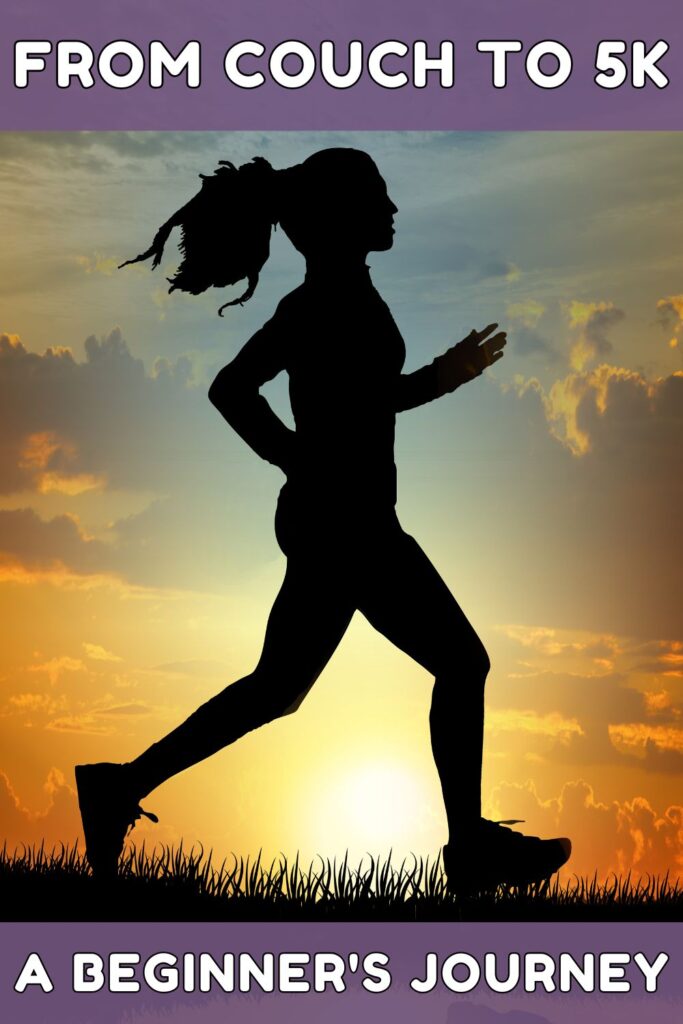
From Couch To 5K A Beginner’s Journey To Running Success

Running a 5K might sound like a distant dream when you’re starting from the couch, barely able to jog a block without gasping. But that’s the beauty of the journey—it’s not about being fast or fit right away; it’s about taking small, steady steps to get there. I remember my first attempt: a wobbly 30-second jog, followed by a lot of walking and some serious doubts. Yet, with a plan like Couch to 5K, that dream can turn into reality in just a few months.
Couch to 5K is a beginner-friendly program that’s helped millions go from zero to crossing a 5K finish line. It’s not about speed or perfection; it’s about building stamina, confidence, and a habit that sticks. With a mix of walking, jogging, and a little patience, anyone can make it work. Let’s break down how to start, what to expect, and how to keep going strong.
Getting Started with Couch to 5K
The Couch to 5K plan is built for beginners, typically spreading out over nine weeks. You start with short bursts of running—like 60 seconds—mixed with walking to catch your breath. Most plans suggest three workouts a week, each about 20-30 minutes. I loved how it didn’t demand hours at the gym or fancy gear—just a decent pair of shoes and some open space.
You don’t need to be athletic to begin. The program eases you in, so your body adapts without feeling overwhelmed. Apps like C25K or NHS Couch to 5K can guide you with audio cues, telling you when to run or walk. Pick a time of day that feels right—mornings for energy, evenings to unwind—and stick to it.
One tip that helped me was setting small rewards. After each week, I’d treat myself to a smoothie or a new playlist song. It kept me excited to lace up, even on days when the couch seemed way cozier.
Building Your Running Habit
Sticking to the plan is where the magic happens, but it’s also where doubts can creep in. Around week three, I hit a wall—my legs felt heavy, and I wondered if I’d ever run more than a minute straight. The key is consistency, not perfection. If you miss a day, just pick up where you left off. Life happens.
Find a rhythm that works. Running with a friend or joining a local group can make it fun and keep you accountable. I started chatting with a neighbor who ran, and our quick catch-ups during jogs became a highlight. If you prefer solo time, a good playlist or podcast can turn your runs into something you crave.
Listen to your body, too. If your knees ache or you’re wiped out, take an extra rest day. The program builds in rest days for a reason—your muscles need time to recover and get stronger. Push through the mental hurdles, but don’t ignore real pain.
Overcoming Common Challenges
Every runner hits bumps, especially beginners. Shin splints, side stitches, or just feeling out of breath can make you want to quit. Good shoes are a game-changer—get fitted at a running store if you can. I learned the hard way that my old sneakers were causing more soreness than the running itself.
Breathing is another hurdle. Early on, I was huffing and puffing like I’d sprinted a mile. Try slowing down and focusing on steady breaths—inhale for three steps, exhale for two. It feels awkward at first, but it helps you find a groove. If a stitch hits, walk it out and press gently on the spot.
Motivation can dip, too. When the newness wears off, remind yourself why you started. I kept a photo of my first run on my fridge—a sweaty, red-faced me, grinning because I’d done it. On tough days, that picture pushed me out the door.
Crossing the Finish Line
By week nine, you’re running 30 minutes straight—about 5K for most beginners. The first time you hit that mark, it’s a rush like no other. I still remember finishing my first 5K, not caring about my time, just thrilled I didn’t stop. Whether you run it alone or sign up for a race, celebrate the win.
Races can add extra fun. Local 5Ks often have a festive vibe—think music, costumes, and cheering crowds. You don’t have to be fast; plenty of people walk or jog. Signing up early gives you a goal to aim for, plus a shiny medal at the end.
After your 5K, keep the habit alive. Try new routes, aim for a faster time, or just run for fun. The couch is behind you now—you’re a runner, and that’s something to carry forward.