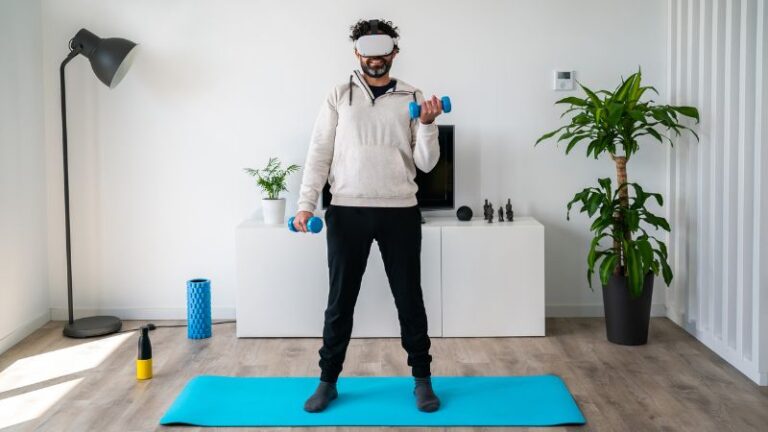
Fitness Equipment and Gear Tips
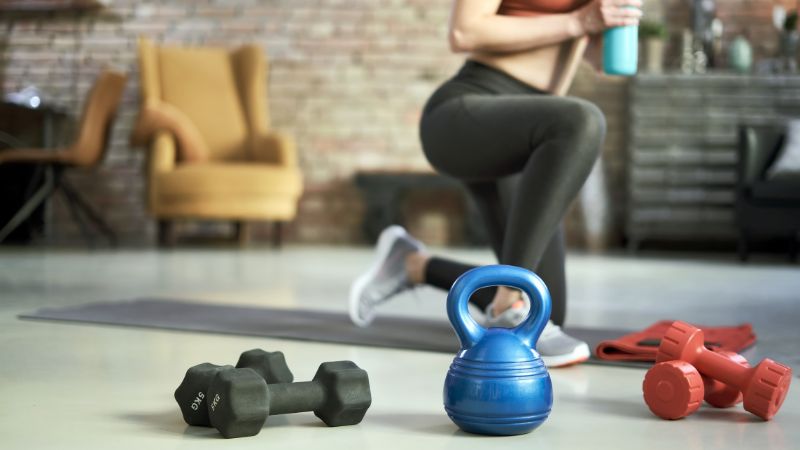
When it comes to fitness, having the right equipment and gear can make a big difference in your performance and comfort. Whether you’re working out at home or in the gym, the right tools help you stay safe, improve your workouts, and reach your goals more efficiently. But with so many options available, it’s easy to get overwhelmed by choices.
From choosing the right shoes to keeping your equipment clean, small changes can have a big impact on your training routine. These ten fitness equipment and gear tips will help you maximize your workouts, avoid injuries, and get the most out of your gear.
Choose the Right Shoes for Your Workout
Your feet take a lot of impact during exercise, so wearing the right shoes is essential. Running shoes, for example, are designed for forward motion, while cross-training shoes provide lateral support for activities like weightlifting or HIIT workouts. Choosing the wrong shoes can lead to discomfort, poor performance, or even injuries.
Make sure your shoes fit properly and provide the support you need for your specific activity. A good rule of thumb is to replace your shoes every 300–500 miles for running or when you start noticing a decrease in cushioning and support. Visiting a specialty store where they assess your gait can also help you find the perfect pair.
Don’t forget to wear the right socks, too! Moisture-wicking socks help prevent blisters and keep your feet dry, adding to your overall comfort and performance.
Invest in Quality Resistance Bands
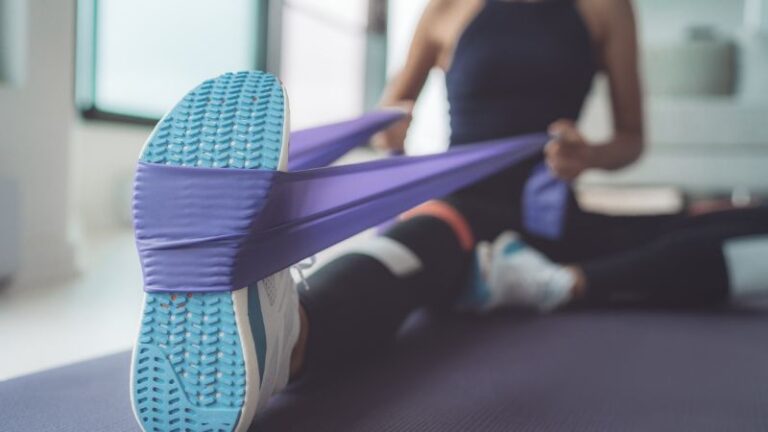
Resistance bands are an affordable and versatile tool that can add variety to any workout. They help build strength, improve flexibility, and can be used for rehabilitation exercises. Unlike weights, they provide constant tension throughout the movement, which is great for muscle activation.
When buying resistance bands, look for durable, high-quality materials that won’t snap or wear out quickly. It’s also a good idea to get a variety of resistance levels so you can progress in your training. Some bands come with handles or ankle straps, which can add extra comfort and functionality.
Store your bands properly by keeping them away from sharp objects and extreme temperatures. Regularly check for signs of wear, such as cracks or thinning areas, to prevent breakage during workouts.
Use a High-Quality Yoga Mat
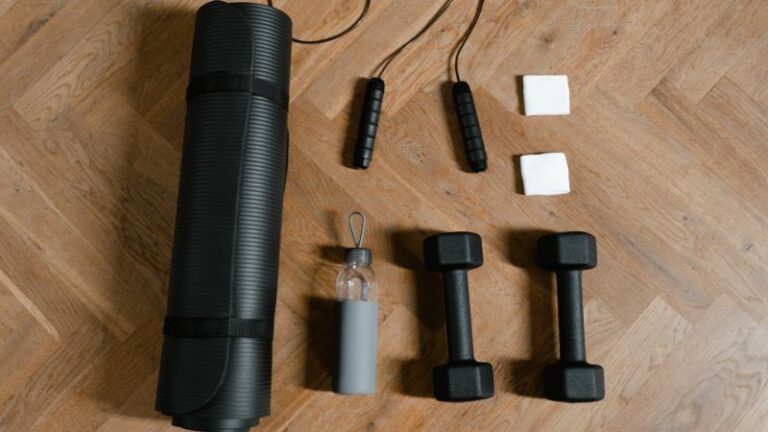
A good yoga mat isn’t just for yoga—it provides stability and comfort for stretching, bodyweight exercises, and floor workouts. Thin mats offer better stability for balance-based moves, while thicker mats provide more cushioning for joint protection.
Look for a mat with a non-slip surface to prevent slipping, especially if you tend to sweat during workouts. Some mats also have alignment guides to help you position your hands and feet correctly. Investing in a high-quality mat will ensure durability and support over time.
Clean your mat regularly with a gentle cleanser to prevent bacteria buildup. Sweat and dirt can accumulate quickly, especially if you work out barefoot. Let it air dry completely before rolling it up to maintain its grip and longevity.
Wear Moisture-Wicking Clothing
Sweat can make workouts uncomfortable if you’re wearing the wrong clothing. Moisture-wicking fabrics, such as polyester blends, pull sweat away from your skin and dry quickly, helping you stay cool and comfortable.
Avoid cotton for intense workouts, as it absorbs sweat and becomes heavy, leading to discomfort and chafing. Instead, opt for breathable, lightweight materials that allow air to circulate. Many brands also offer odor-resistant technology, which can be a plus for longer workouts.
Properly caring for your workout clothes will help them last longer. Wash them in cold water, avoid fabric softeners that can break down moisture-wicking properties, and air dry when possible to maintain their elasticity.
Use Weightlifting Gloves or Chalk
If you lift weights regularly, grip is an important factor to consider. Weightlifting gloves provide extra padding and prevent calluses, while chalk improves grip by absorbing sweat. Both options have their benefits depending on personal preference and workout style.
Gloves are ideal if you want to protect your hands from rough bars and heavy weights. They also help reduce pressure on the palms, which can be useful for high-rep workouts. On the other hand, chalk is a great choice for powerlifters or those who prefer a more natural grip.
Whichever option you choose, keep your hands dry and take care of your gear. If using gloves, wash them regularly to prevent odor buildup. If using chalk, clean the equipment after your session to maintain gym hygiene.
Keep Your Equipment Clean and Maintained
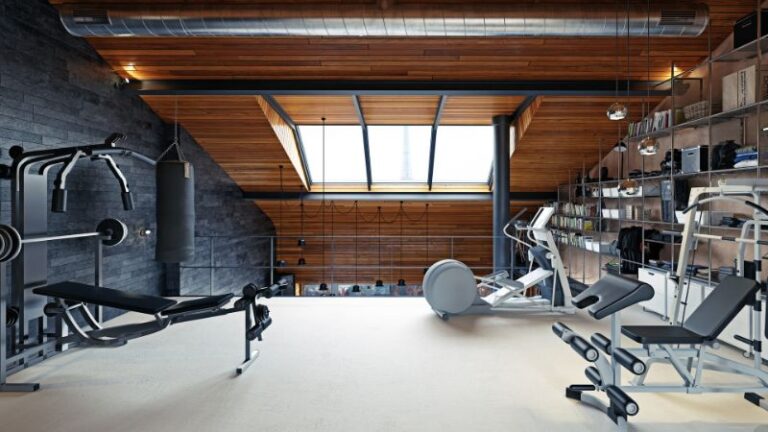
Dirty or worn-out equipment can affect performance and even lead to injuries. Regularly cleaning and maintaining your gear ensures it stays in top shape and lasts longer.
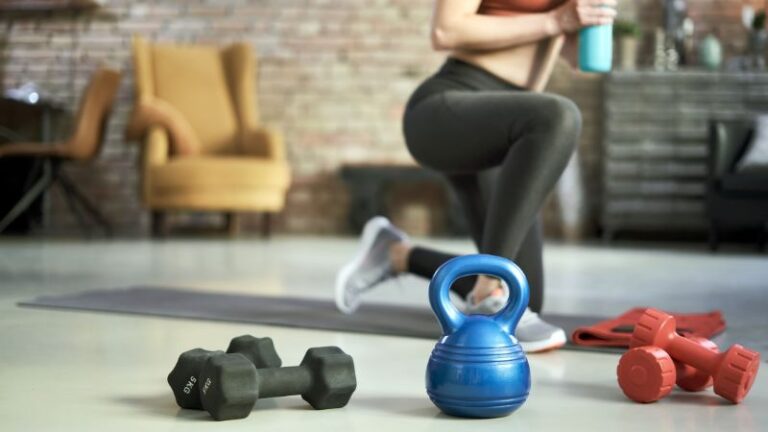
For home gym equipment, wipe down weights, resistance bands, and machines after each use to prevent dirt buildup. Use disinfectant wipes on yoga mats, dumbbells, and other frequently touched surfaces. If you use wearable gear like gloves or knee sleeves, wash them according to the manufacturer’s instructions.
Check for signs of wear and tear, especially on equipment like jump ropes, resistance bands, and weight machines. Replacing worn-out gear before it breaks will keep your workouts safe and effective.
Use a Foam Roller for Recovery
Recovery is just as important as the workout itself, and a foam roller can help reduce muscle soreness and improve flexibility. Rolling out tight muscles after a workout can prevent stiffness and speed up recovery time.
When using a foam roller, apply steady pressure to sore areas and hold for about 30 seconds before moving to the next spot. This helps break up muscle knots and improve blood flow. Avoid rolling directly over joints or bones to prevent discomfort.
Consistency is key—use a foam roller regularly, especially after intense workouts. Over time, this can improve mobility and reduce the risk of injuries caused by tight muscles.
Wear the Right Headphones for Exercise
Music can be a great motivator during workouts, but not all headphones are built for movement. Wireless, sweat-resistant headphones are ideal for gym sessions, running, or cycling since they won’t tangle or slip off.
Look for earbuds with a secure fit or over-ear hooks to keep them in place during vigorous activities. Noise-canceling options can help you focus, but if you’re running outside, choose models with ambient sound features for safety.
Keep your headphones clean by wiping them down after workouts, especially if they’re exposed to sweat. Store them in a protective case when not in use to prevent damage.
Use a Smartwatch or Fitness Tracker
Tracking your workouts can help you stay motivated and make progress toward your goals. Fitness trackers and smartwatches monitor steps, heart rate, calories burned, and even sleep quality.
Choose a device that fits your needs—some are designed for general fitness tracking, while others specialize in running, weightlifting, or swimming. Advanced models can provide in-depth performance analysis and sync with workout apps for detailed insights.
Make sure to charge your device regularly and keep it clean. If using a wristband, choose a breathable strap to prevent skin irritation. Tracking progress consistently can help you stay on top of your fitness journey.
Choose the Right Water Bottle for Hydration
Staying hydrated is crucial for performance and recovery. A good water bottle can make it easier to track your intake and encourage you to drink more throughout the day.
Consider an insulated bottle if you prefer cold water during workouts, or a bottle with a straw for quick sips between exercises. Some models even have time markers to remind you to stay on track with hydration.
Keep your bottle clean by washing it daily, especially if you use flavored drinks or supplements. Mold and bacteria can build up quickly if not properly maintained, so regular cleaning is essential.