Essential Workout Equipment for All Levels
Many people want to start working out but do not know which equipment to choose. Others have been active for a while and are curious about adding new items to their exercise routine. With so many choices in sports stores and online shops, it can be confusing to know what is truly helpful and what might just collect dust in a corner. Luckily, essential workout equipment does not have to be fancy or overly expensive. A few basic pieces can take you a long way toward reaching your fitness goals.
Beginners can benefit from gear that assists with stability and balance. More advanced enthusiasts might want tools that add resistance and challenge. By understanding the purpose of different types of equipment, we can make better decisions for our personal routines. Having the right items can save time, money, and frustration. It can also help us keep workouts fun, varied, and motivating. Below is a guide on essential workout equipment that fits many fitness levels and goals.

Resistance Bands
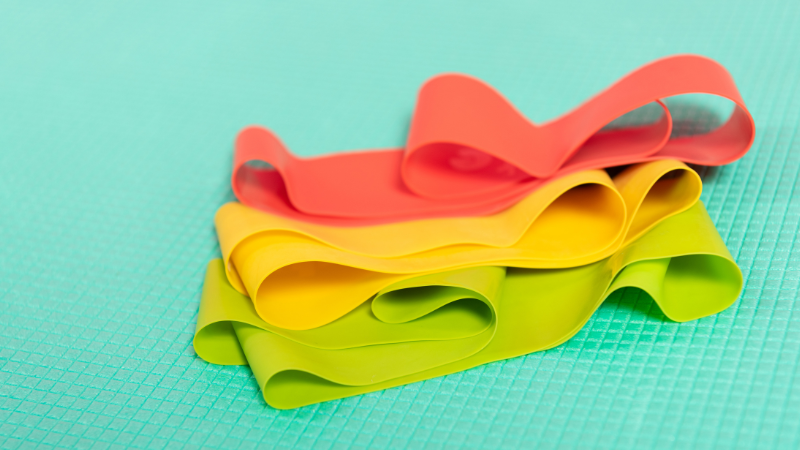
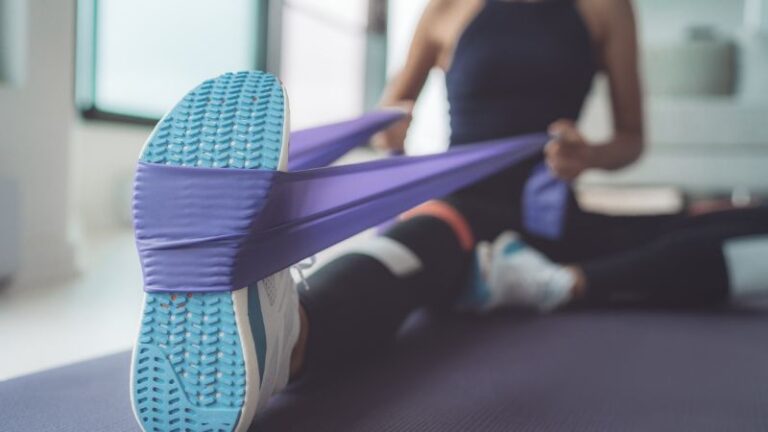
Resistance bands are a favorite among people who want simple yet effective workout tools. They are lightweight, affordable, and easy to store. These bands come in various tension levels, ranging from light to heavy resistance. This lets you pick a band that suits your current strength and then move up to a heavier band when you need more challenge.
You can use resistance bands for a wide range of exercises. They can assist with squats, bicep curls, shoulder presses, and more. By adding tension, the bands help strengthen muscles throughout different phases of each movement. This develops stability and improves overall muscle endurance.
Another plus is that resistance bands are gentle on the joints. Unlike heavy free weights, which can sometimes strain certain areas, bands offer controlled resistance. They are a great tool for people recovering from injuries or those who prefer a lower-impact approach. Because they take up almost no space, they are perfect for home workouts and travel.
Dumbbells
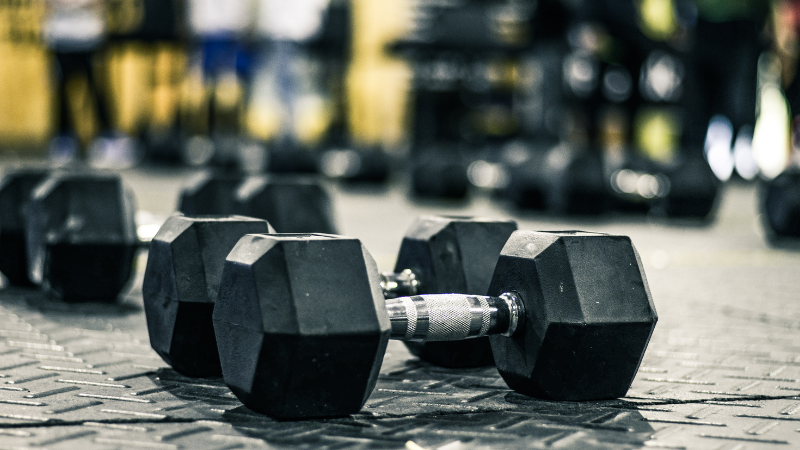
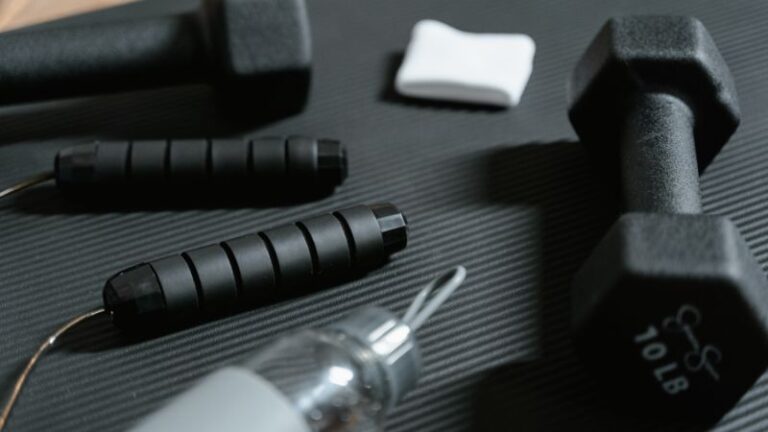
Dumbbells are a classic piece of workout equipment. They provide adjustable levels of challenge by simply choosing heavier or lighter weights. A set of dumbbells can help build muscle strength and endurance in the arms, shoulders, chest, back, and even the lower body when used correctly.
One major advantage of dumbbells is their versatility. You can do exercises like bicep curls, triceps extensions, rows, lunges, and more. Working out with dumbbells also challenges your balance and helps even out strength differences between sides of the body. Since each hand has its own weight, you train each limb equally.
If you have space and budget limitations, you can start with a pair of adjustable dumbbells. They allow you to change weight plates to match your workout plan. Over time, you can add more weights as you get stronger. This approach keeps your home gym minimal yet functional for many levels of fitness.
Kettlebells
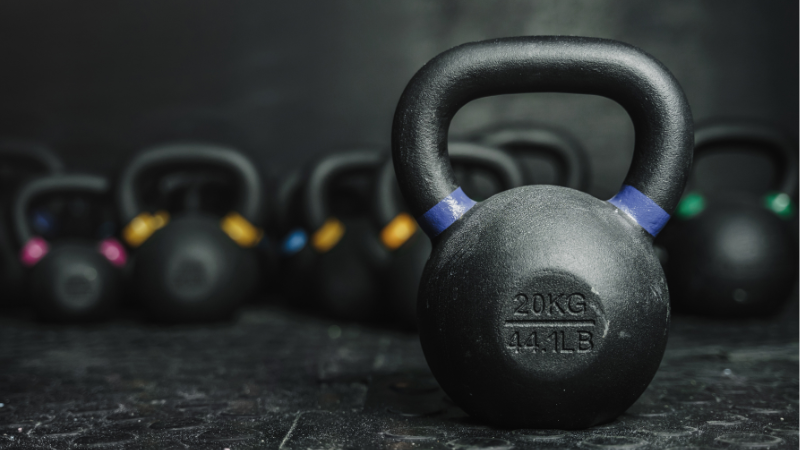
Kettlebells look like a bowling ball with a handle, but do not let their design fool you. They are powerful tools for strength and cardio workouts. Their unique shape allows you to do swings, cleans, and snatches that engage multiple muscle groups at once. This can help build explosive power and burn calories in a short time.
Beginners can start with a lighter kettlebell and focus on proper form. Good technique is important to avoid strain on the back or shoulders. Exercises like kettlebell swings strengthen the core, glutes, and legs. They also boost heart rate, offering a mix of strength training and cardiovascular benefits.
Kettlebells come in various weights. As you improve, you can either move up in weight or perform more complex moves. Because they target functional movement, they can help improve everyday tasks like lifting and carrying objects. If you want a more dynamic and intense routine, adding a kettlebell to your workouts might be the next big step.
Jump Rope
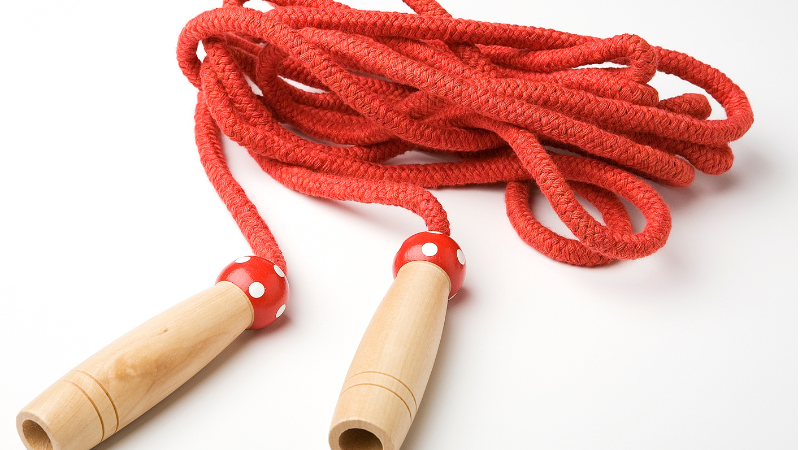
Jump ropes are not just for kids. Many fitness enthusiasts consider a jump rope an underrated cardio tool that burns calories and boosts agility. It is portable, affordable, and provides a full-body challenge. With just a rope, you can quickly get your heart rate up and work your legs, arms, and core.
Beginners can start by jumping at a steady rhythm for short intervals. As stamina improves, you can mix in high-intensity intervals. For example, jump quickly for 20 seconds, rest for 10, and repeat. This approach, known as interval training, can improve cardiovascular endurance in less time.
Jumping rope also refines coordination and balance. It tests your ability to sync arm and leg movements. Over time, you may find it easier to perform other exercises that require good rhythm and body control. With a jump rope in your gym bag, you can fit in a quick cardio session anywhere you have a bit of space.
Stability Ball
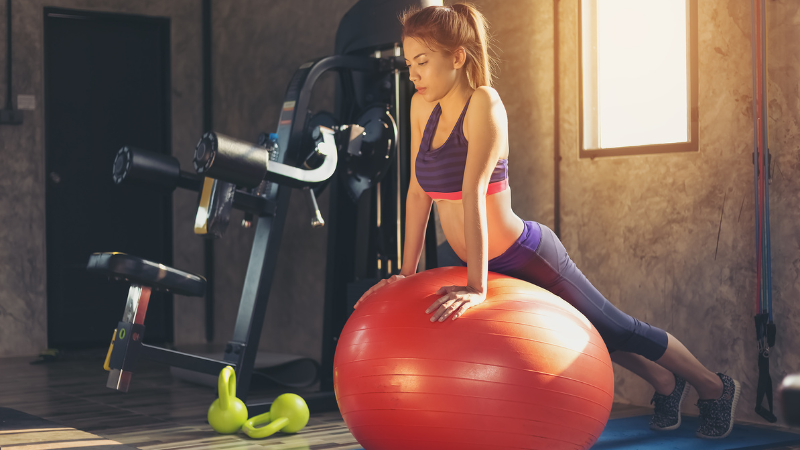
A stability ball, sometimes called a Swiss ball, is great for core workouts and improving balance. You can sit on it while doing upper-body exercises to engage core muscles. You can also use it for crunches, planks, or bridging moves. The ball adds an element of instability that forces smaller, stabilizing muscles to activate.
Choosing the right size ball is important. You can check guidelines based on your height. When you sit on the ball, your knees should be at roughly a 90-degree angle. This gives you the proper position for balance-focused exercises and reduces the risk of discomfort or strain.
Stability balls are also popular for stretching. You can lie on the ball to open up your chest or stretch your back. This helps improve flexibility and posture. Because the ball is versatile, it can replace a standard chair for short periods. Sitting on it while working at a desk can gently strengthen the core, but be sure to remain aware of your posture.
Yoga Mat
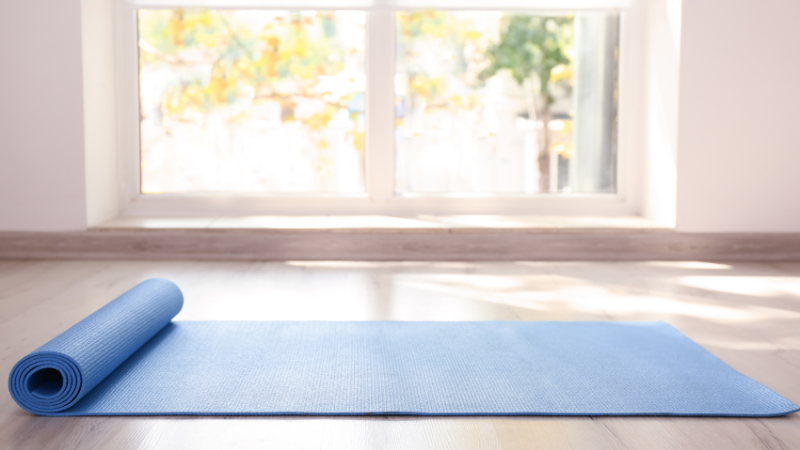
A quality yoga mat is more than just a surface for yoga poses. It provides cushion and traction for any exercise done on the floor. Push-ups, sit-ups, planks, and stretching are all more comfortable and stable on a non-slip mat. Many mats also help absorb shock, easing stress on joints like wrists and knees.
Yoga mats come in different thicknesses. Some people prefer thicker mats for extra cushioning, while others like thinner mats for better balance and contact with the ground. Most are easy to roll up and store, making them ideal for home workouts and travel. A good mat can turn a small corner of your living room into a mini fitness studio.
Beyond yoga poses, a mat can help create a dedicated space for mindfulness, relaxation, or meditation. Lying down for a few minutes after a workout or doing gentle stretches becomes more inviting with a soft mat. When you feel at ease, you are more likely to commit to daily exercise and healthy routines.
Pull-Up Bar
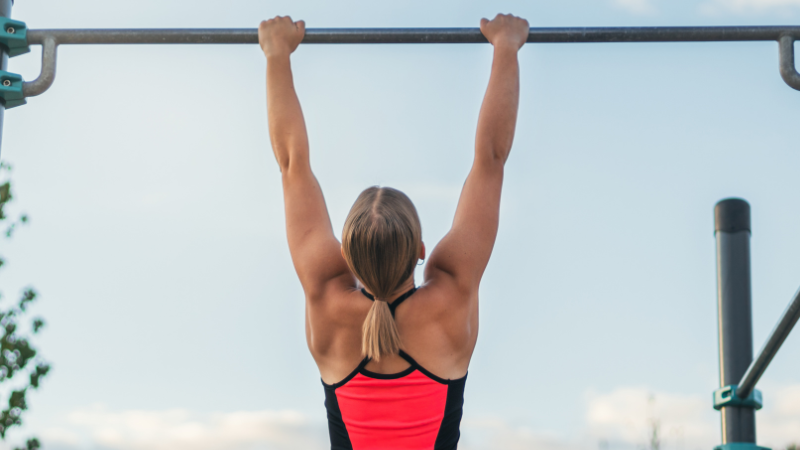
A pull-up bar might seem intimidating, but it is an excellent way to build upper-body strength. It targets the back, shoulders, arms, and core. Pull-ups and chin-ups can be challenging for beginners, but you can start with modified versions. Using a resistance band to assist or doing partial pull-ups lets you gradually build strength.
There are several types of pull-up bars. Some are designed to be mounted on a door frame, while others need to be fixed to a wall. Make sure you choose one that is secure and can support your weight. Setting it up at home means you can do quick sets of pull-ups or hangs whenever you have spare time.
Even just hanging on the bar for 20 to 30 seconds can improve grip strength and stretch out the spine. As you advance, you can practice different grips or add leg raises for core training. A pull-up bar is a versatile piece of equipment that grows with your abilities, offering endless variations for a strong upper body.
Exercise Bench
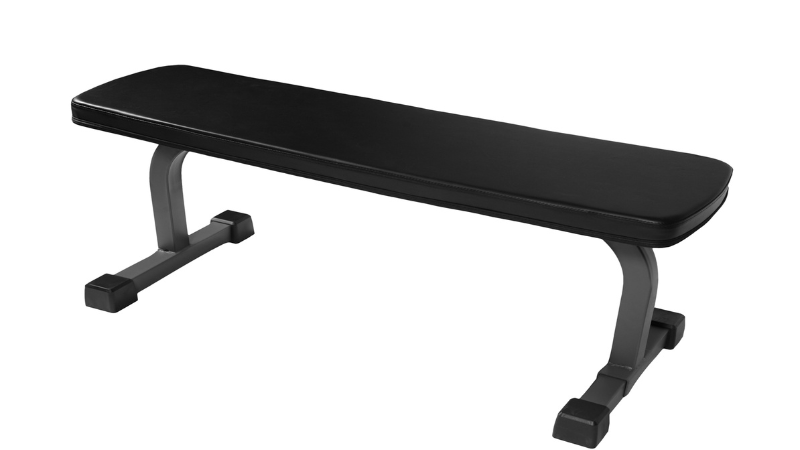
An exercise bench provides a stable surface for a range of workouts. It allows you to perform chest presses, dumbbell flyes, and other exercises with proper form. You can also adjust many benches to incline or decline angles, targeting different parts of the muscles. This variety can speed up strength gains and prevent workout boredom.
While not mandatory for beginners, a bench can become more useful as you advance. For instance, an incline bench can target the upper chest, while a decline bench challenges the lower chest. This helps create a balanced approach if you are serious about weight training. Benches also offer stability for core exercises like step-ups or bench hops.
When looking for a bench, make sure it feels sturdy and can handle your weight plus any additional resistance. Some benches fold up to save space, which is helpful if you do not have a dedicated workout area. Over time, an exercise bench can be a central piece in your home gym, allowing for safe and targeted movements.
Foam Roller
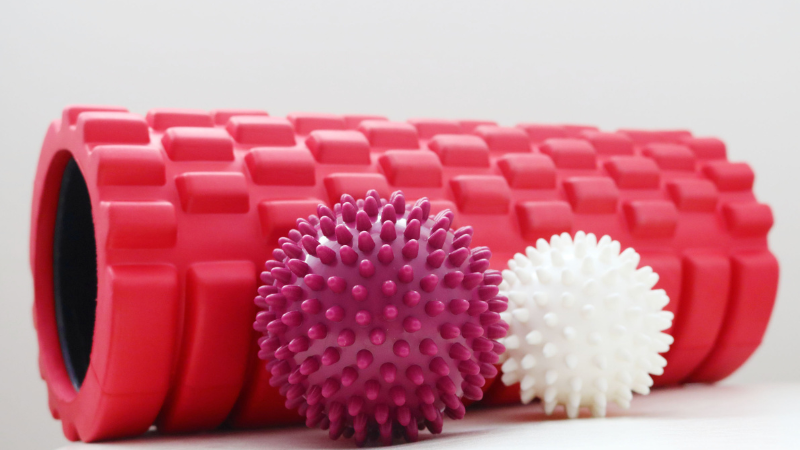
A foam roller is a self-massage tool that helps release tight muscles. Rolling your back, legs, or arms on it applies pressure to knots or trigger points. This can reduce soreness and improve flexibility, making workouts more comfortable and effective. Many people find foam rolling helps speed up recovery after intense sessions.
Beginners can start with a softer roller and apply gentle pressure. Rolling too hard can be uncomfortable, so ease into it. You can work on your calves, hamstrings, quads, or upper back in slow, controlled motions. If you find a tender spot, pause briefly to allow the muscles to relax.
Foam rollers come in various textures and densities. Smooth rollers offer less intensity, while bumpy ones provide deeper pressure. The goal is to find a roller that suits your comfort level. By spending a few minutes each day on a foam roller, you can help prevent tightness and improve your overall range of motion.
Medicine Ball
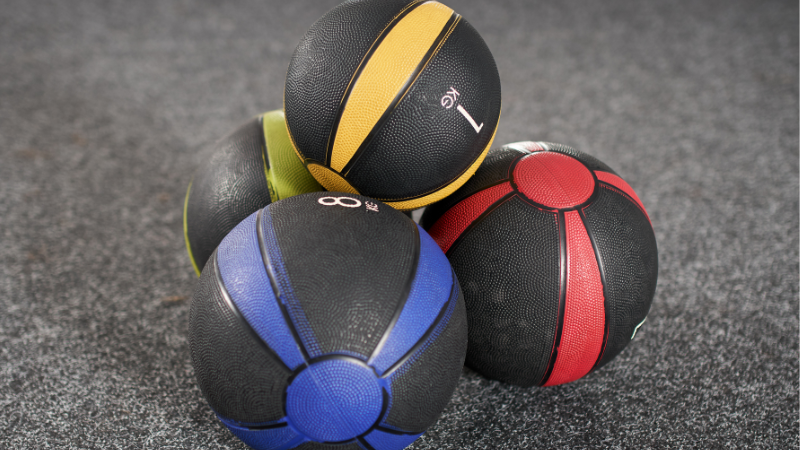
A medicine ball is a weighted ball that can amplify many exercises. You can hold it during squats or lunges, pass it back and forth with a partner for core work, or use it for overhead throws. These movements often recruit multiple muscle groups, making them efficient for strength and coordination.
A medicine ball can also provide a fun twist to regular workouts. You might do a twisting throw against a sturdy wall to challenge your core. You can practice slam exercises where you repeatedly throw the ball down with force. This creates an explosive movement that boosts power and raises the heart rate.
Medicine balls come in different weights, typically from 2 pounds up to 20 or more. Start light if you are new to this type of training. Focusing on controlled movements is more important than lifting a heavy ball. As with other equipment, proper form is key to avoid strain and maximize benefits.
Workout Sliders
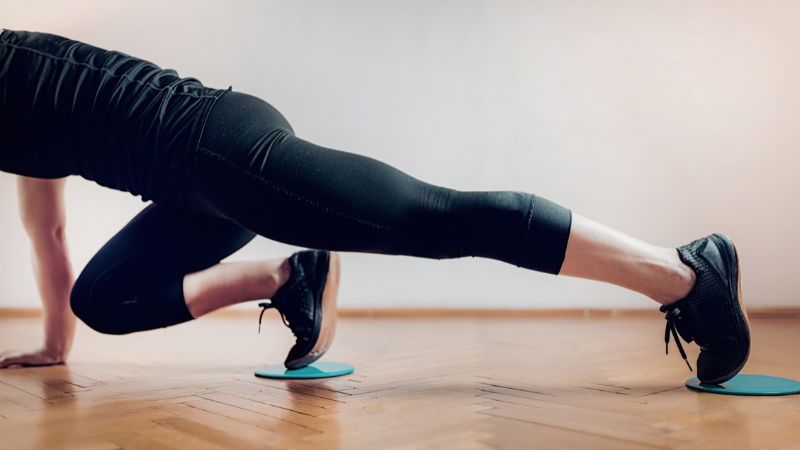
Workout sliders, also known as gliding discs, are small and light but pack a surprising punch. They can be placed under your hands or feet to create a slippery surface. This forces you to engage your core and stabilizing muscles. Exercises like lunges, mountain climbers, or pikes become more challenging and dynamic.
Sliders work on various surfaces, although some are made specifically for carpets or hard floors. Because they require more balance, these discs help develop functional strength. They also allow low-impact, joint-friendly moves that still provide serious burn. Many users feel their abs and legs working overtime during sliding exercises.
Beginners can start slowly, perhaps with sliding lunges. Over time, you can add more advanced moves like sliding push-ups or side planks. These discs are easy to store and inexpensive, making them a great addition for people who want to add variety to a home workout routine. They are also lightweight enough to travel with if needed.
Ankle Weights and Weighted Vests
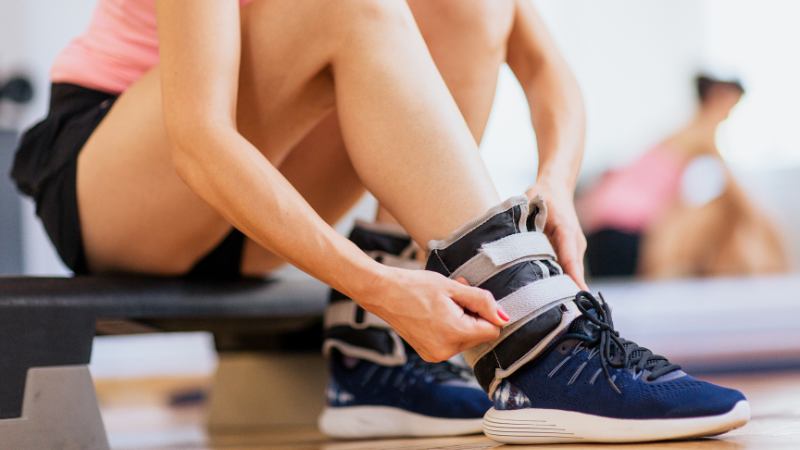
Ankle weights and weighted vests are useful for adding progressive overload to certain exercises. Ankle weights can intensify leg lifts, donkey kicks, or even walks around the neighborhood. Weighted vests can increase the challenge of running, hiking, or bodyweight exercises like squats and push-ups.
When using ankle weights, start with a lighter load. Otherwise, the extra strain might be tough on the knees. With a weighted vest, you can adjust the weight by removing or adding small weight plates. This flexibility helps you find the right level of challenge without going overboard.
These wearable weights are not for everyone, especially if you have joint issues or are just beginning. But they can be helpful tools for people looking to push past a plateau. By making your body heavier, these items force your muscles to work harder. The result is greater endurance and strength gains over time.
Heart Rate Monitor or Fitness Tracker
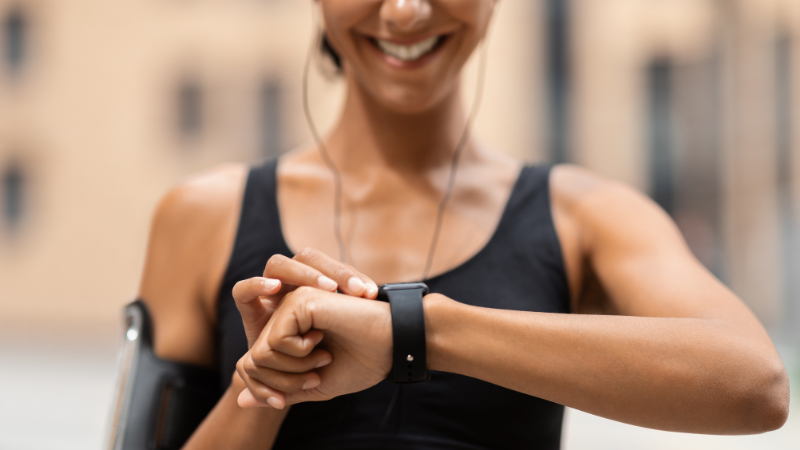
Monitoring your heart rate can guide you toward safe and effective workouts. A heart rate monitor or fitness tracker can show if you are pushing too hard or not enough. This data helps keep you in the right training zone. You can optimize workouts for fat burning, endurance, or speed, depending on your goals.
Many fitness trackers also measure steps, calories burned, and even sleep patterns. While these devices are not always 100 percent accurate, they offer a baseline for your daily activity levels. By tracking progress, you can stay motivated and hold yourself accountable to fitness goals.
Beginners do not need fancy devices if they prefer a simpler approach. But for those who love data, a good tracker can encourage consistency and set measurable targets. Over time, you can compare results and see improvements in stamina. This visual proof can be rewarding and keep you committed to regular workouts.
Storage and Organization
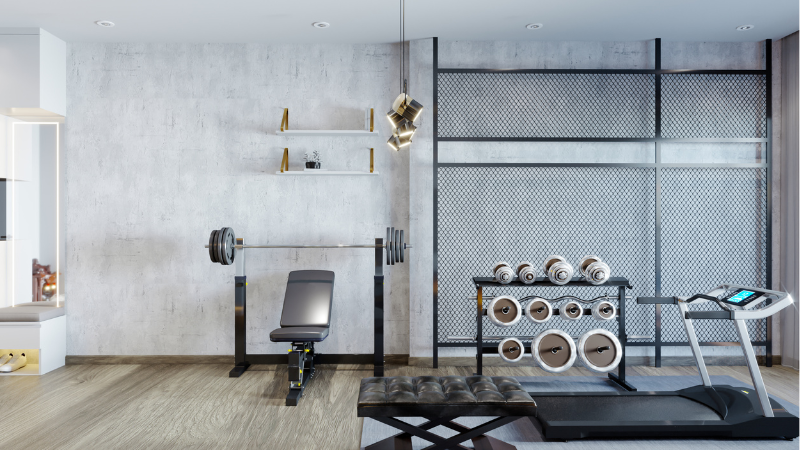
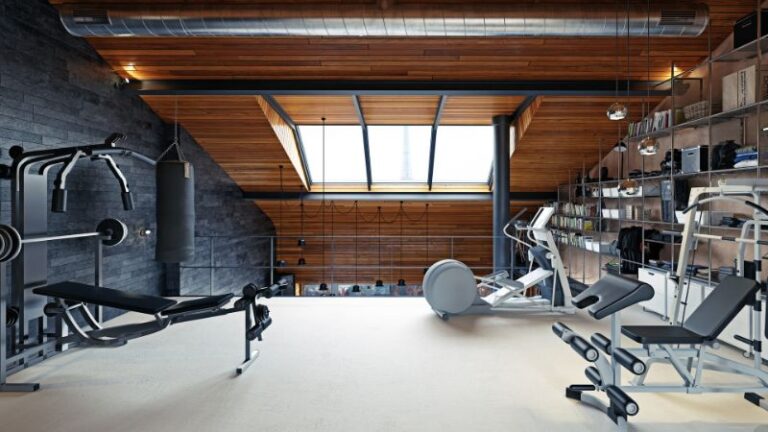
Having functional storage can make it easier to keep a workout routine going. When equipment is scattered, we might feel less motivated to exercise. Simple solutions like a small rack for dumbbells or a storage box for bands and sliders can maintain order. A dedicated corner or closet for workout items turns any space into a mini gym.
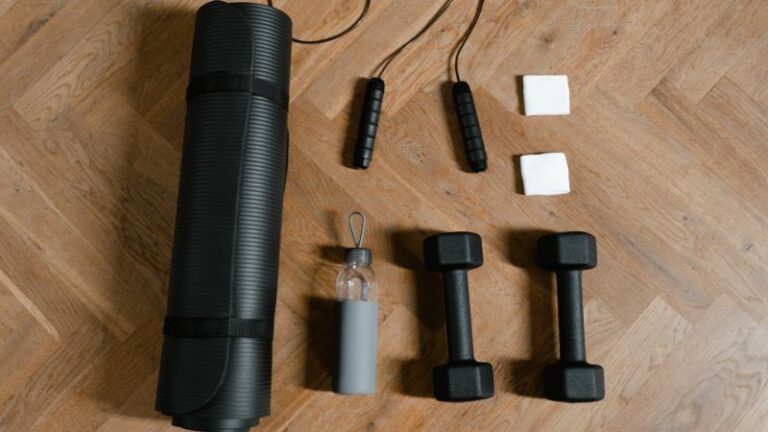
Labeling boxes or baskets can also help. For example, one container might hold resistance bands, sliders, and jump ropes. Another might store foam rollers and yoga mats. This makes it simple to grab what you need quickly. Good organization also shows respect for your workout environment and helps keep equipment in good condition.
Using wall hooks for hanging jump ropes or medicine balls saves floor space. If you have an adjustable bench, you can fold it and slide it under a bed. By designing a tidy setup, you are more likely to stick with your exercise habits. Seeing a clear, inviting workout area can boost your willingness to stay active.
Budget and Quality
Balancing budget and quality is important when building a home gym. Cheaper items might wear out quickly, but high-end products do not always guarantee better results. The key is to look for reputable brands with solid reviews. Focus on essential pieces first, then add more specialized equipment as you progress.
If possible, test items before buying. You can visit stores to get a feel for dumbbells or kettlebells. With resistance bands, check that they are made from durable materials so they do not snap unexpectedly. For items like exercise benches, sturdy construction and clear weight capacity are essential.
Many people find that investing a bit more in well-made products saves money in the long run. Quality equipment lasts longer, works more reliably, and feels safer. However, if a cheaper alternative still meets safety and durability needs, it might be a good option. The goal is to choose gear that supports your workouts and stands up to regular use.
Keeping It Simple
Over time, it is easy to collect too much workout gear. We might buy the latest gadget or trend and quickly lose interest. Sometimes, having fewer but more versatile items can be better. This helps us focus on developing skills and staying consistent with core exercises.
Rotate equipment to keep routines interesting. One month, you might focus on mastering kettlebell swings and goblet squats. The next, you could shift to jump rope intervals or medicine ball circuits. This variety helps you avoid plateaus and keeps you motivated to show up for each session.
Mindset is crucial. Even the best equipment will not matter if it never leaves the closet. Regular, focused use of a few tools often beats having a cluttered space full of unused gear. By keeping it simple, we can build solid habits and truly make the most of each piece of equipment we own.
Final Thoughts
Choosing essential workout equipment for all levels comes down to identifying versatile and durable items that match your goals. Whether you are a beginner looking for basic strength and stability or a seasoned athlete seeking fresh challenges, a few core pieces can form a strong foundation. Equipment like resistance bands, dumbbells, and kettlebells can grow with you, allowing you to progress at your own pace.
Remember that no item is magically effective on its own. It is all about consistent use, proper form, and a willingness to learn. If you find yourself unsure, try new equipment in small doses or look up beginner-friendly workout videos for guidance. Over time, you will figure out which tools best match your fitness style and how to incorporate them into your daily routine.
A balanced mindset, along with good equipment, sets the stage for long-term success. By staying organized and focusing on quality, you can build a home gym that supports your health journey.
Whether you choose to jump rope in the backyard or lift weights in a spare room, the main point is to stay active and enjoy the process. Embrace the learning curve, celebrate small wins, and keep moving forward toward a healthier life.