
Strength Training Tips

Strength training is a cornerstone of fitness, helping you build muscle, boost metabolism, and improve overall health. Whether you’re new to lifting or looking to optimize your routine, understanding the key principles can help you achieve your goals.
From mastering proper form to creating a sustainable plan, these 13 essential tips will guide you through a successful and rewarding strength training journey.

Tip 1: Start with Bodyweight Exercises

If you’re new to strength training, begin with bodyweight exercises like push-ups, squats, and planks. These exercises help build foundational strength and improve balance and coordination.
Bodyweight exercises allow you to focus on proper form without the risk of handling heavy weights. Once you master these movements, you can gradually add resistance.
Consistency is key. Perform bodyweight exercises 2–3 times a week to build a strong base before incorporating equipment into your routine.
Tip 2: Master Proper Form

Proper form is essential to avoid injuries and maximize the effectiveness of your workouts. Take time to learn correct techniques for each exercise before increasing intensity.
Consider working with a personal trainer or watching detailed tutorials online. Focus on slow, controlled movements to ensure you’re targeting the right muscles.
Avoid rushing through exercises. Quality over quantity ensures your workouts are safe and effective, especially as you lift heavier weights.
Tip 3: Start Light and Gradually Increase Weight

When starting with weights, it’s better to begin with lighter weights to ensure proper form. Gradually increase the resistance as you build strength and confidence.
The progressive overload principle is key to building muscle. This means slowly increasing the weight, reps, or sets over time to challenge your muscles.
Listen to your body and only increase weight when you feel comfortable. Avoid the temptation to lift heavy too soon, as this can lead to injury.
Tip 4: Focus on Compound Movements

Compound exercises like squats, deadlifts, bench presses, and pull-ups target multiple muscle groups at once, making them highly effective for strength training.
These exercises not only save time but also improve functional strength and coordination. Include at least one compound movement in each workout session.
Perform compound exercises at the start of your workout when your energy levels are highest, as they require more effort and focus.
Tip 5: Don’t Neglect Isolation Exercises

While compound movements are essential, isolation exercises like bicep curls or leg extensions target specific muscles and help with balanced development.
Isolation exercises are particularly useful for addressing weaknesses or imbalances in your body. They also allow you to focus on improving form and control.
Incorporate isolation exercises toward the end of your workout as a supplement to compound movements for a well-rounded routine.
Tip 6: Stick to a Consistent Schedule
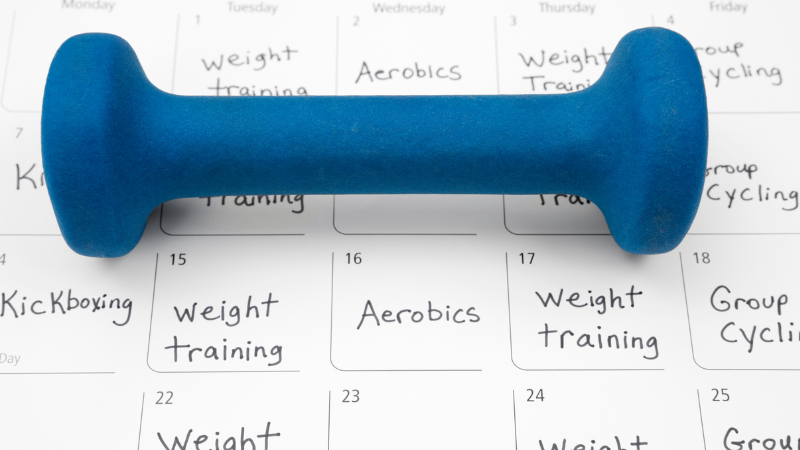
Consistency is crucial in strength training. Aim to train each major muscle group 2–3 times per week with at least 48 hours of rest between sessions for the same muscle group.
A structured schedule helps ensure you’re giving your body enough time to recover while still making consistent progress. Create a plan that fits your lifestyle and stick to it.
Remember, progress is gradual. Staying consistent over time is more important than working out sporadically with high intensity.
Tip 7: Warm Up and Cool Down

Warming up is essential to prepare your muscles and joints for the stress of strength training. A 5–10 minute warm-up of dynamic stretches or light cardio can reduce the risk of injury.
Cooling down with static stretches after your workout helps improve flexibility and aids in recovery. Stretch each major muscle group for at least 20–30 seconds.
Neglecting warm-ups and cool-downs can lead to stiffness, poor performance, and an increased risk of injuries, so make them a part of every session.
Tip 8: Rest and Recover

Rest days are as important as workout days in a strength training program. Muscles grow during recovery, not during the workout itself.
Ensure you get enough sleep, as it plays a crucial role in muscle repair and overall performance. Aim for 7–9 hours of quality sleep each night.
On rest days, engage in light activities like walking or yoga to promote active recovery and keep your body moving without overexertion.
Tip 9: Track Your Progress

Keeping track of your workouts is a great way to stay motivated and ensure you’re making progress. Use a journal or app to log weights, reps, and sets for each exercise.
Monitoring your progress helps you identify plateaus and adjust your routine accordingly. For example, if a certain exercise becomes too easy, you’ll know it’s time to increase the weight or reps.
Celebrate your milestones, whether it’s lifting a heavier weight or completing more reps. These small victories keep you motivated and on track.
Tip 10: Pay Attention to Nutrition

Proper nutrition is a critical part of strength training. Protein is especially important for muscle repair and growth, so aim for a diet rich in lean protein sources like chicken, fish, and legumes.
Don’t neglect carbohydrates and healthy fats, as they provide the energy needed for intense workouts. Stay hydrated to support performance and recovery.
Consider consulting a nutritionist to create a meal plan that aligns with your strength training goals and overall health needs.
Tip 11: Focus on Core Strength

A strong core improves your balance, stability, and overall performance in strength training. Exercises like planks, Russian twists, and leg raises are great for building core strength.
Many compound movements also engage the core, but dedicating time to specific core exercises ensures this crucial area isn’t overlooked.
A strong core not only enhances your workouts but also reduces the risk of injuries in daily life and improves posture.
Tip 12: Mix Up Your Routine
Avoid falling into a rut by changing your routine every 4–6 weeks. This prevents plateaus and keeps your workouts interesting and challenging.
Incorporate new exercises, adjust the number of sets or reps, or try different equipment like resistance bands or kettlebells. Variety keeps your muscles guessing and ensures continual progress.
Experiment with different training splits, such as full-body workouts, push-pull routines, or upper/lower body splits, to find what works best for you.
Tip 13: Stay Patient and Motivated

Strength training is a journey, and results take time. Stay patient and focus on progress, not perfection. Consistent effort over weeks and months will lead to noticeable improvements.
Find ways to stay motivated, whether it’s setting short-term goals, working out with a friend, or rewarding yourself for hitting milestones.
Remember, strength training is not just about physical changes. It also boosts mental health, confidence, and overall well-being. Celebrate the process, not just the results.
These 13 tips offer a comprehensive guide to help you make the most of your strength training journey, ensuring both safety and success!