Strength Training Equipment Guide
Strength training is a cornerstone of fitness, helping to build muscle, improve endurance, and boost overall health. Whether you’re a beginner setting up a home gym or an experienced lifter looking to expand your arsenal, understanding the various types of equipment can help you make informed decisions. With the right tools, you can tailor your workouts to meet your goals and preferences.
This guide covers a wide range of strength training equipment, from basic essentials to advanced tools. Each section explains the benefits of the equipment, its uses, and tips for choosing the right options for your fitness needs.
Dumbbells
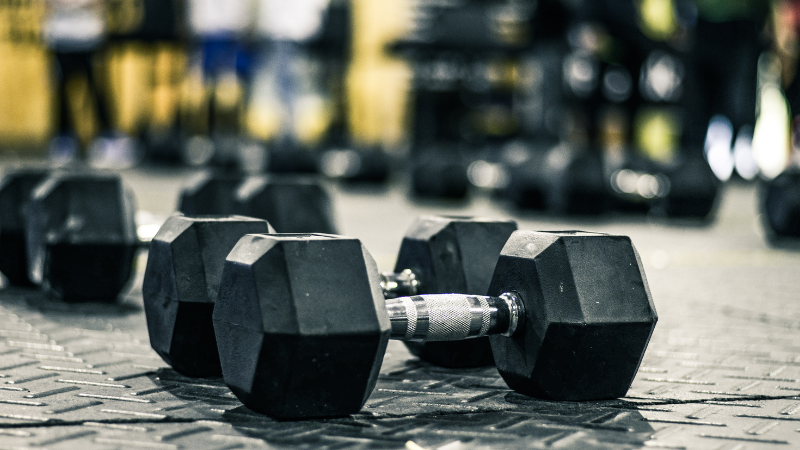
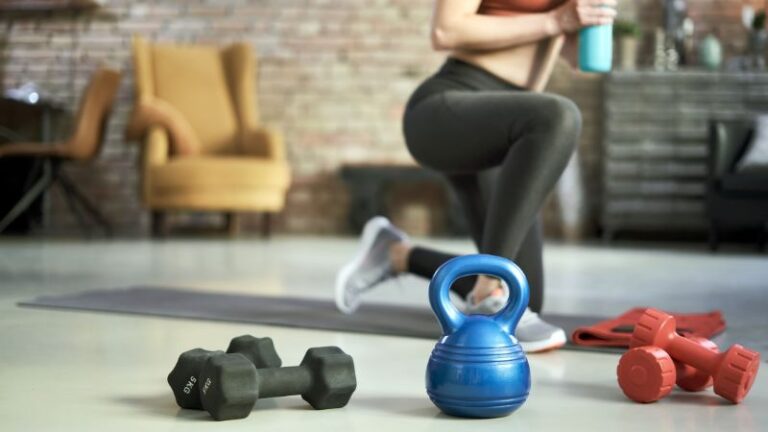
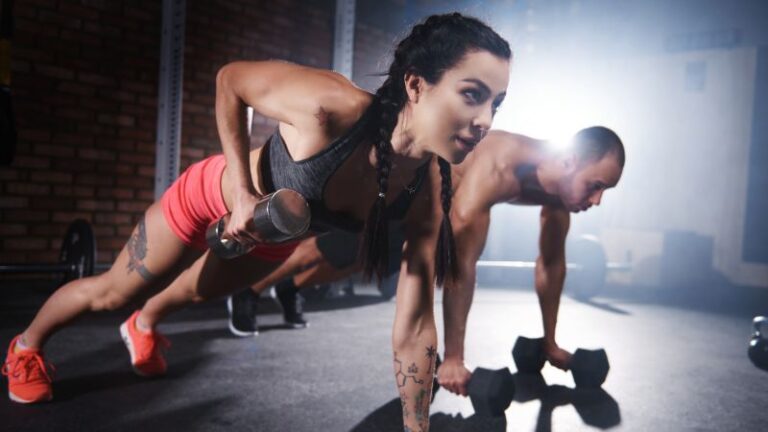
Dumbbells are a must-have for any strength training routine. They are versatile, compact, and suitable for a wide range of exercises targeting different muscle groups. From bicep curls to weighted lunges, dumbbells allow for effective workouts with varying levels of intensity.
Adjustable dumbbells are a great option for those short on space. They let you change the weight quickly, making them ideal for home gyms. Fixed-weight dumbbells, on the other hand, are more durable and offer convenience in commercial gym settings.
When choosing dumbbells, consider the material. Rubber-coated dumbbells are gentle on floors and reduce noise, while cast iron dumbbells are durable and affordable. Select a weight range that matches your fitness level and goals.
Barbells and Weight Plates
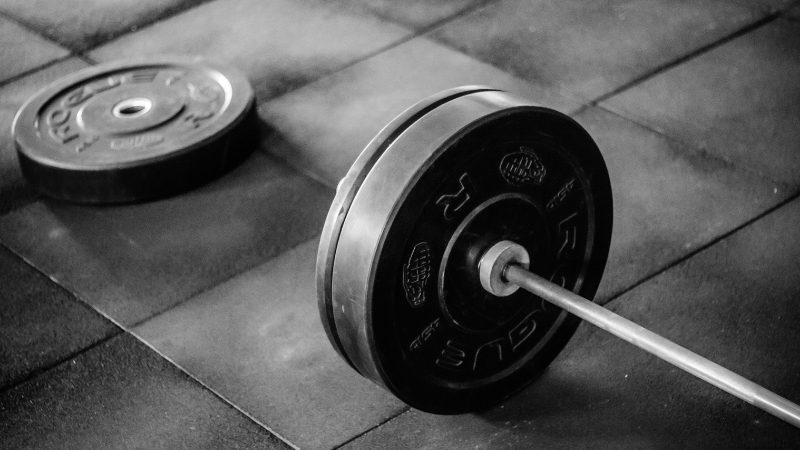
Barbells are essential for heavy lifting and compound exercises like squats, deadlifts, and bench presses. They allow you to lift heavier weights compared to dumbbells, making them ideal for building strength and muscle mass.
Olympic barbells are the standard choice for serious lifters. They are longer, heavier, and compatible with Olympic-sized weight plates. Standard barbells, which are smaller and lighter, are better for beginners or those with limited space.
Weight plates come in various materials, such as cast iron, rubber-coated, and bumper plates. Bumper plates are ideal for Olympic lifts, as they are designed to be dropped without damaging the floor or the plates themselves.
Kettlebells
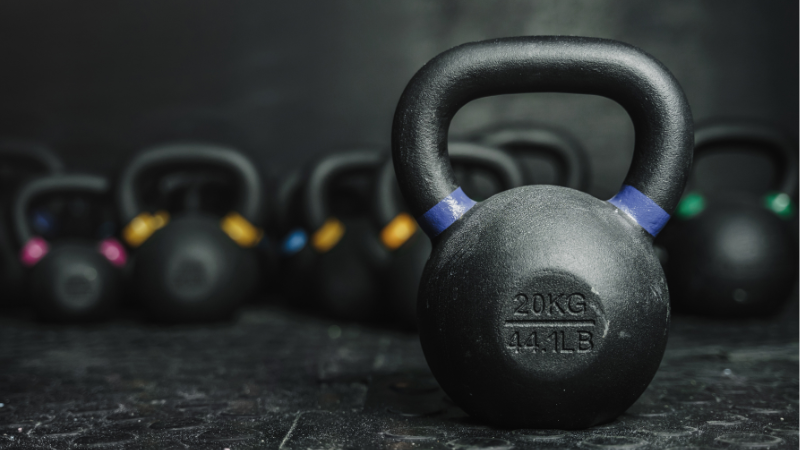
Kettlebells are unique tools that combine strength and cardio training. Their off-center weight distribution engages multiple muscle groups, improving stability and functional strength. Popular exercises include kettlebell swings, goblet squats, and Turkish get-ups.
When selecting kettlebells, look for a smooth handle to ensure a comfortable grip. Cast iron kettlebells are durable and come in various weights, while competition kettlebells have uniform sizes, making them suitable for advanced training.
Start with a moderate weight that challenges you without compromising form. As you gain strength, gradually increase the weight to keep progressing.
Resistance Bands

Resistance bands are lightweight, portable, and versatile, making them an excellent addition to any workout routine. They are perfect for beginners, rehabilitation exercises, or adding resistance to bodyweight movements.
There are various types of resistance bands, including loop bands, tube bands with handles, and mini bands. Loop bands are great for lower body exercises like squats and glute bridges, while tube bands are ideal for upper body exercises like rows and presses.
Choose bands with different resistance levels to accommodate various exercises and fitness levels. Look for high-quality materials to ensure durability and safety during workouts.
Weight Benches
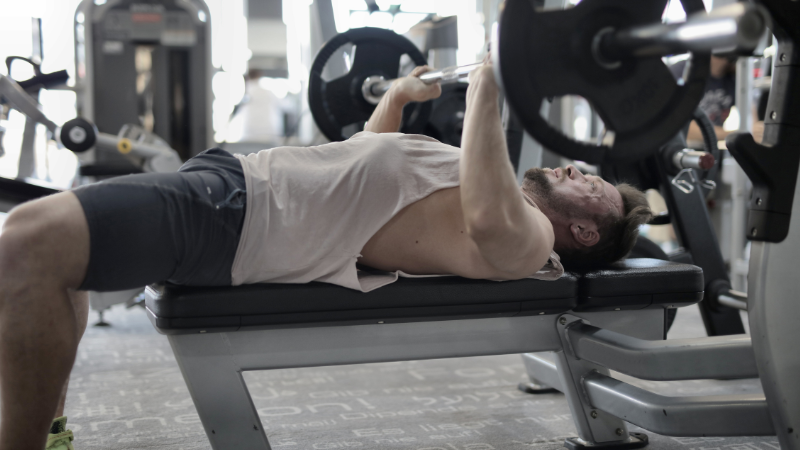
A weight bench is a staple for many strength training exercises. It provides stability and support for movements like bench presses, dumbbell flyes, and step-ups. Adjustable benches offer versatility, allowing you to perform exercises at different angles.
When choosing a weight bench, consider its weight capacity, adjustability, and padding. A sturdy bench with comfortable padding ensures safety and comfort during workouts. Look for benches with incline, decline, and flat settings for maximum functionality.
If you’re short on space, consider a foldable weight bench that can be stored away when not in use. Ensure the bench is compatible with your other equipment, such as racks and barbells.
Squat Racks and Power Racks
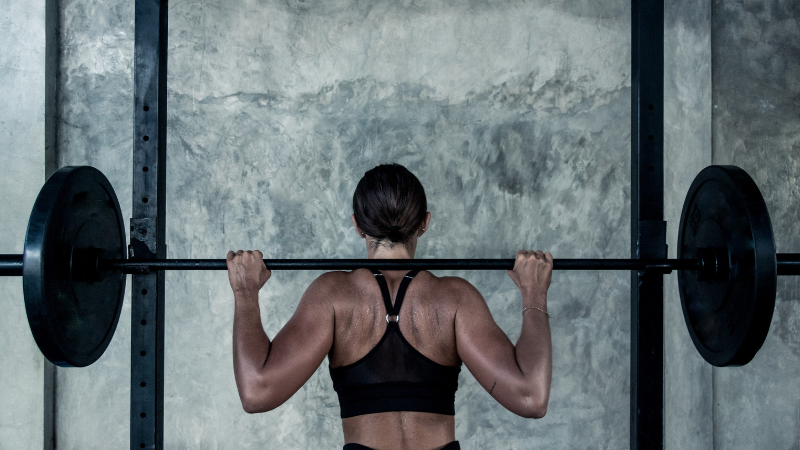
Squat racks and power racks are essential for serious strength training enthusiasts. They provide a safe and stable platform for heavy lifts like squats, bench presses, and overhead presses.
Power racks are more versatile than squat racks, offering additional features like pull-up bars and safety bars. They are ideal for home gyms with sufficient space. Squat racks, on the other hand, are more compact and budget-friendly.
When selecting a rack, ensure it has adjustable safety bars, a sturdy frame, and a weight capacity that matches your lifting needs. Accessories like dip bars and plate storage pegs can enhance the functionality of your rack.
Cable Machines
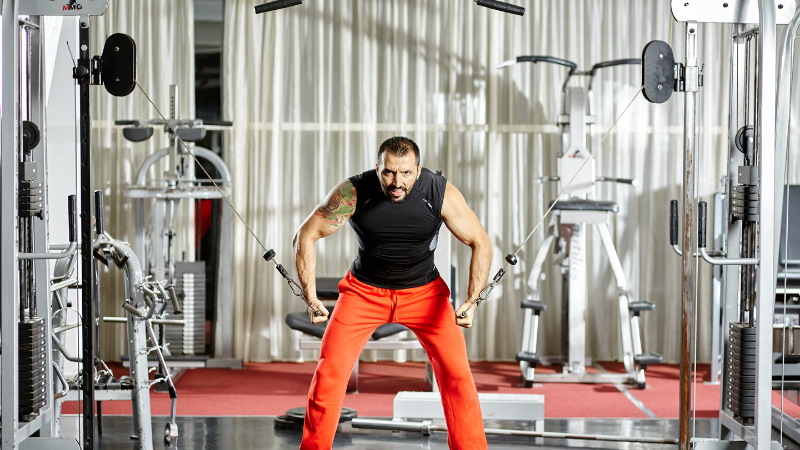
Cable machines are excellent for isolating specific muscle groups and performing a wide range of exercises. They provide constant tension, which helps improve muscle engagement and control.
A functional trainer is a versatile type of cable machine that allows for dual-pulley movements, making it ideal for strength training and rehabilitation exercises. Smaller cable towers are suitable for home gyms with limited space.
When purchasing a cable machine, look for one with adjustable pulleys, smooth operation, and a solid frame. Ensure it comes with various attachments like handles, bars, and ankle straps to maximize exercise options.
Medicine Balls
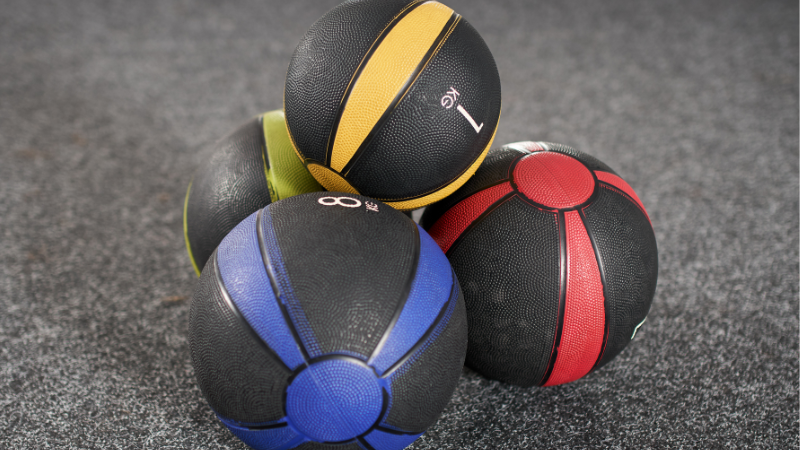
Medicine balls are versatile tools for strength, power, and coordination training. They are commonly used for dynamic movements like slams, throws, and rotational exercises, which engage the core and improve athletic performance.
Choose a medicine ball with a weight that challenges you while allowing proper form. Soft-shell balls are better for slams, while traditional medicine balls are suitable for throwing and catching exercises.
Incorporate medicine balls into your workouts to add variety and intensity. They’re especially useful for partner exercises and functional training.
Pull-Up Bars
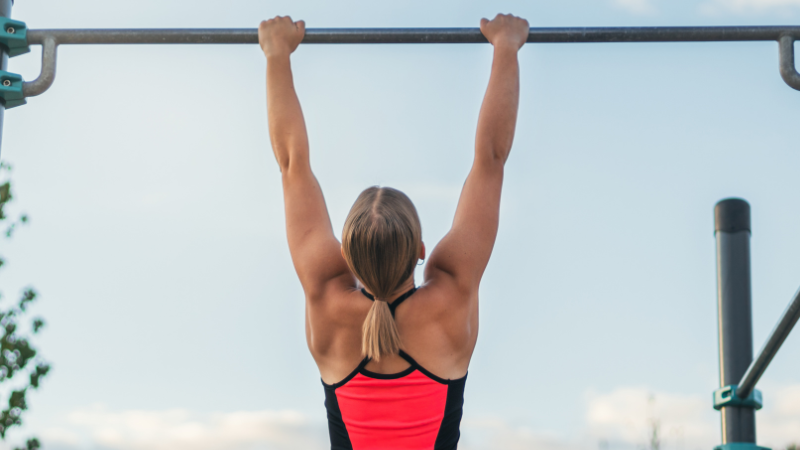
Pull-up bars are essential for building upper body and core strength. They target muscles like the lats, biceps, and shoulders while improving grip strength. Pull-up bars can be installed on walls, doorways, or power racks.
Choose a pull-up bar that fits your space and offers multiple grip options, such as wide, neutral, and close grips. Some bars also come with attachments for dips and suspension training.
If you’re a beginner, use resistance bands to assist with pull-ups. As you gain strength, gradually reduce assistance until you can perform unassisted reps.
Suspension Trainers
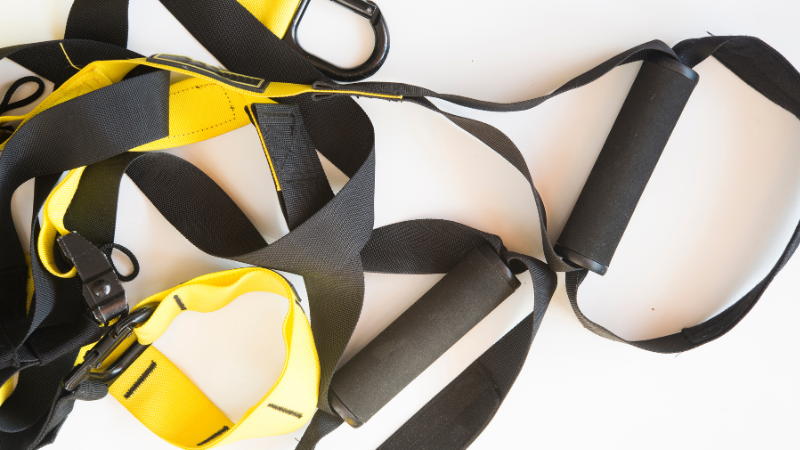
Suspension trainers, like TRX systems, use your body weight and gravity to provide resistance. They are portable, adjustable, and suitable for a wide range of exercises targeting strength, balance, and flexibility.
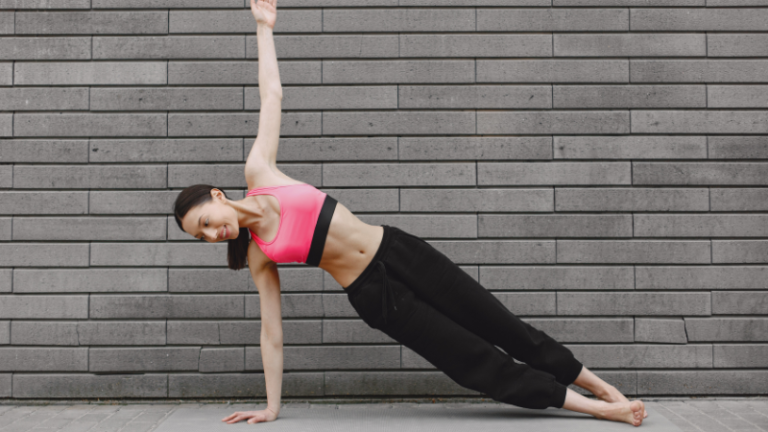
Suspension trainers can be anchored to doors, walls, or sturdy outdoor structures, making them ideal for home or travel workouts. They are excellent for functional movements like rows, push-ups, and planks.
Invest in a high-quality suspension trainer with durable straps and secure anchoring options. Follow the manufacturer’s instructions to ensure safety during use.
Weighted Vests
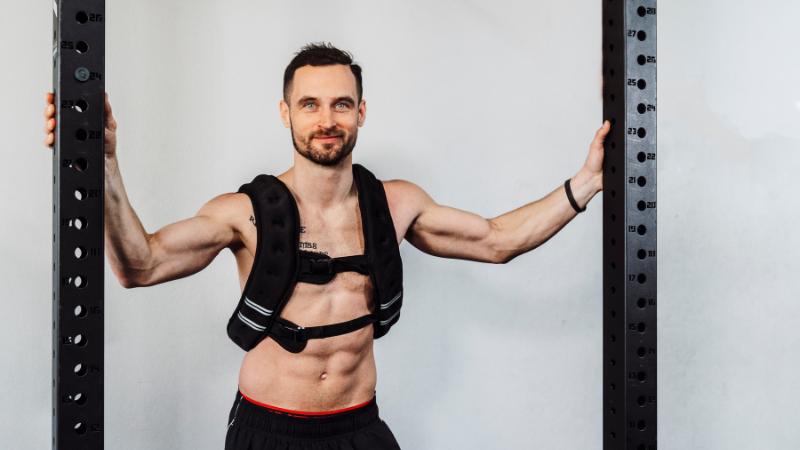
Weighted vests add resistance to bodyweight exercises, making them more challenging and effective. They are commonly used for push-ups, squats, and walking or running to increase intensity.
When choosing a weighted vest, look for adjustable weights, comfortable padding, and a secure fit. Start with a lighter vest and gradually increase the weight as your strength improves.
Weighted vests are a great way to add variety to your workouts and boost calorie burn without the need for additional equipment.
Foam Rollers
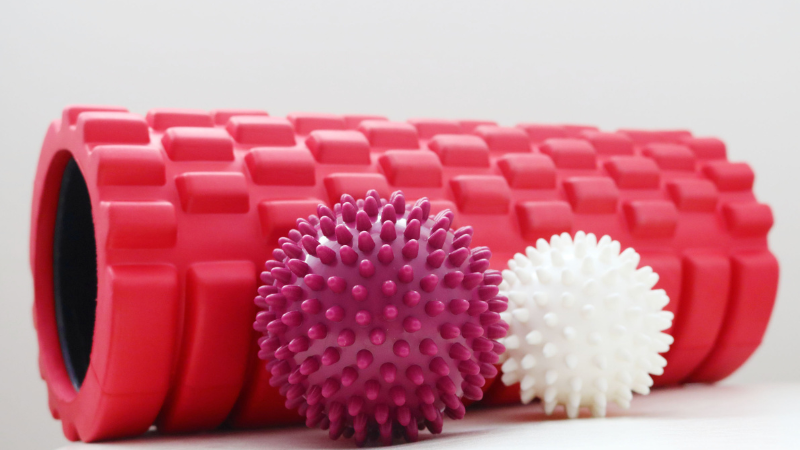
Foam rollers are essential for recovery and injury prevention. They help release muscle tension, improve flexibility, and reduce soreness after strength training sessions.
Foam rollers come in various densities and textures. Soft rollers are ideal for beginners or sensitive areas, while firm rollers provide deeper pressure for advanced users.
Incorporate foam rolling into your warm-up and cool-down routine to enhance mobility and recovery. Target major muscle groups like the quads, hamstrings, and back for optimal results.
Conclusion
This comprehensive guide to strength training equipment provides all the tools you need to create effective and varied workouts. Whether you’re a beginner or a seasoned lifter, investing in the right equipment can elevate your fitness journey and help you achieve your goals. Experiment with these options to find the perfect combination for your strength training routine.