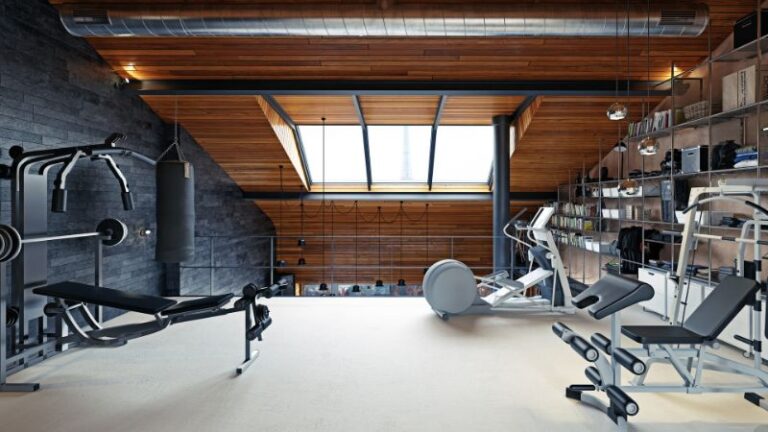
Dumbbells, Barbells, and Weights

Strength training with dumbbells, barbells, and weights is one of the most effective ways to build muscle, increase strength, and improve overall fitness. Each type of weight has its own benefits and can be used to target different muscle groups, making them versatile tools for any workout routine. Whether you’re a beginner or an experienced lifter, incorporating these weights into your training can help you achieve your fitness goals.
Understanding the differences between dumbbells, barbells, and other types of weights can help you design an effective strength program. Some exercises work better with free weights, while others benefit from machines or resistance tools. Below are 13 essential aspects of training with dumbbells, barbells, and weights.
1. Benefits of Dumbbells
Dumbbells offer versatility and ease of use, making them ideal for both beginners and advanced lifters. They allow for a greater range of motion and help improve muscle imbalances by requiring each limb to work independently.
One key benefit of dumbbells is that they engage stabilizing muscles, leading to better overall strength and coordination. Exercises like dumbbell presses, curls, and lunges activate multiple muscle groups, improving functional strength.
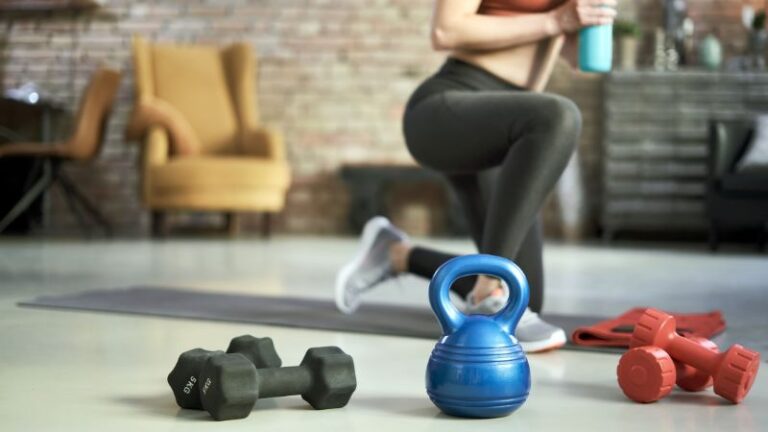
Dumbbells are also great for home workouts due to their compact size. Adjustable dumbbells allow for easy weight changes, making them a convenient choice for strength training.
2. Benefits of Barbells
Barbells enable lifters to move heavier weights compared to dumbbells, making them ideal for building maximum strength and muscle mass. They allow for compound movements like squats, deadlifts, and bench presses, which recruit multiple muscle groups.
A major advantage of barbells is their ability to provide better balance and control during heavy lifts. The even weight distribution across a bar makes it easier to handle heavier loads.
For those focused on progressive overload, barbells are essential. They allow for small weight increases over time, which is key to consistent strength gains and muscle growth.
3. Dumbbells vs. Barbells
Dumbbells and barbells both have unique advantages, and incorporating both into a training routine offers the best results. Dumbbells allow for a greater range of motion and are ideal for unilateral exercises, while barbells enable heavier lifting.
Barbells are better for building maximal strength because they allow for more load, whereas dumbbells require more stabilization and are excellent for developing muscle balance.
Choosing between the two depends on fitness goals. For strength and power, barbells are superior. For muscle symmetry and joint stability, dumbbells are more effective.
4. Adjustable vs. Fixed Dumbbells
Adjustable dumbbells allow users to change weights quickly, making them ideal for home workouts. They take up less space and provide flexibility in training.
Fixed dumbbells, commonly found in gyms, are more durable and convenient for quick transitions between exercises. However, they require a larger storage area.
For those training at home, adjustable dumbbells are a cost-effective choice. For gym-goers, fixed dumbbells offer efficiency during circuit-style workouts.
5. Standard vs. Olympic Barbells
Standard barbells are lighter and smaller, making them suitable for general fitness and home gyms. They usually weigh around 15-20 pounds and support less weight.
Olympic barbells are heavier and designed for serious strength training. They typically weigh 45 pounds and have rotating sleeves to reduce wrist strain during lifts.
For heavy lifting, Olympic barbells are preferred due to their durability and ability to handle more weight. Standard barbells work well for beginners or casual lifters.
6. Dumbbell Workouts for Strength
Dumbbells can be used for full-body strength training, targeting all major muscle groups. A well-rounded workout includes pressing, pulling, and lower-body movements.
Exercises like dumbbell bench presses, rows, squats, and lunges build muscle effectively. Adding variations such as single-arm presses and split squats enhances stability and coordination.
Dumbbell workouts are beneficial for improving muscle imbalances and allowing for more natural movement patterns compared to barbells.
7. Barbell Workouts for Strength
Barbells are essential for compound strength training exercises. They enable progressive overload, making them ideal for muscle and strength development.
Key barbell exercises include squats, deadlifts, bench presses, and overhead presses. These movements recruit multiple muscle groups, maximizing efficiency.
Barbell workouts are excellent for powerlifting and bodybuilding, allowing lifters to move heavier weights and track progress effectively.
8. Free Weights vs. Machines
Free weights, including dumbbells and barbells, engage stabilizer muscles and improve overall coordination. They provide a more natural movement path.
Machines, while useful for isolation exercises, limit the range of motion and provide less engagement of stabilizing muscles. They are beneficial for beginners or those recovering from injuries.
A combination of free weights and machines can be effective, with free weights focusing on functional strength and machines assisting with targeted muscle development.
9. Kettlebells vs. Dumbbells
Kettlebells and dumbbells both offer great strength training benefits but serve different purposes. Kettlebells are ideal for dynamic movements like swings and snatches, improving power and endurance.
Dumbbells are better for controlled strength exercises, such as presses and curls. They offer better control and precision for traditional muscle-building workouts.
Including both in a workout routine provides a mix of strength, power, and endurance training, making workouts more effective.
10. Importance of Progressive Overload
Progressive overload is key to building muscle and strength. It involves gradually increasing weight, reps, or intensity over time to continually challenge the muscles.
Using barbells for heavy compound lifts allows for easier weight progression, while dumbbells help fine-tune muscle activation and imbalances.
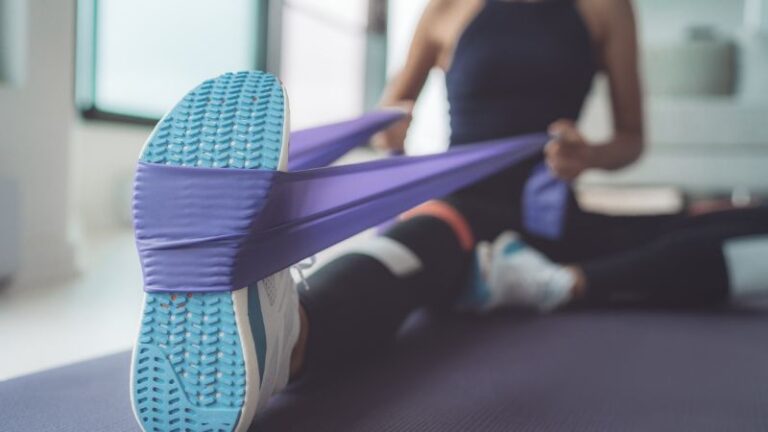
Tracking progress and gradually increasing resistance ensures continuous improvement, whether using free weights, machines, or resistance bands.
11. Grip Strength and Training
Grip strength plays a crucial role in weight training, particularly with barbells and dumbbells. A strong grip improves performance in pulling exercises like deadlifts and rows.
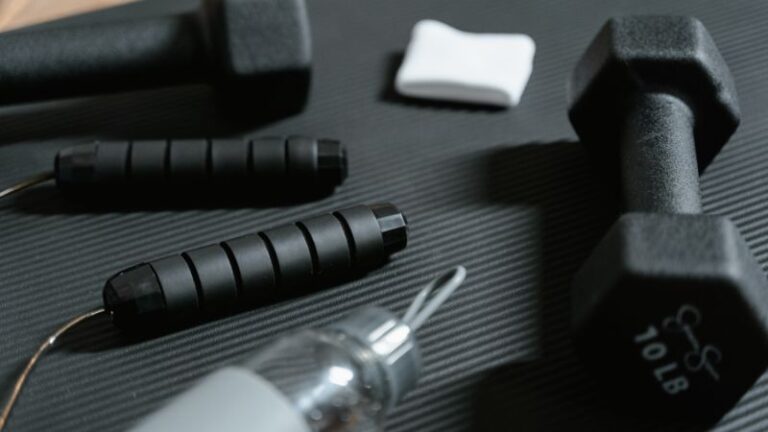
Using thick-handled dumbbells, grip trainers, or specific exercises like farmer’s carries enhances grip strength. Chalk and lifting straps can assist when handling heavier weights.
Developing grip strength not only benefits weightlifting but also improves overall hand function and endurance in everyday activities.
12. Weightlifting Safety Tips
Proper form and technique are essential when training with dumbbells and barbells to prevent injuries. Using a controlled motion and avoiding excessive momentum reduces strain on joints.
Warm-ups and mobility work help prepare muscles for lifting. Gradually increasing weight and ensuring proper recovery minimizes the risk of overuse injuries.
Using safety equipment like wrist wraps, lifting belts, or spotters during heavy lifts provides additional protection and confidence when training.
13. Choosing the Right Weights
Selecting the appropriate weights depends on fitness goals, experience level, and training style. Beginners should start with lighter weights to master form before progressing.
For muscle building, moderate to heavy weights with lower reps are ideal. For endurance and toning, lighter weights with higher reps work best.
Experimenting with different weights and tracking progress ensures an effective and personalized strength training program.