
Best Protein Powders and Shakes
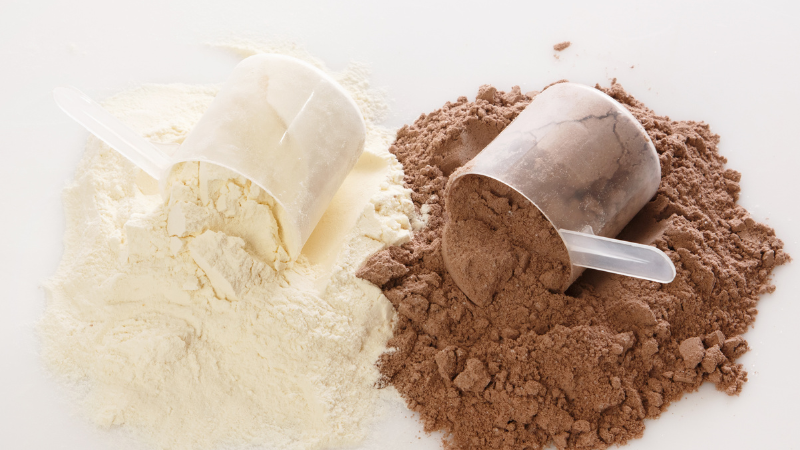
Protein powders and shakes can be a convenient way to boost your protein intake, especially if you’re always on the go or looking to supplement your diet. They come in various forms and flavors, catering to different dietary needs and preferences, whether you’re building muscle, losing weight, or just ensuring you get enough essential nutrients in your daily diet.
Choosing the right protein powder or shake depends on your health goals, dietary restrictions, and taste preferences. From whey to plant-based options, the market is teeming with products promising great taste and high nutritional value. Let’s explore eleven of the best options currently available.
1. Whey Protein Concentrate
Whey protein concentrate is one of the most popular and cost-effective forms of protein. It retains most of the beneficial nutrients found in the original whey, and it’s rich in both protein and other essential nutrients. Ideal for post-workout recovery, it helps in muscle repair and growth.
This type of protein is best for those who do not have lactose intolerance or dairy sensitivities. It’s also fantastic for boosting overall protein intake, with a typically lower fat and carbohydrate content compared to other protein forms. Many find it easier to digest when taken with digestive enzymes.
Whey concentrate blends well in shakes and smoothies, offering a creamy texture. It’s available in multiple flavors, allowing users to switch up their supplement routine without taste fatigue. Be sure to check for any added sugars or artificial ingredients if you’re watching your calorie intake.
2. Casein Protein
Casein protein is another milk-derived protein that’s particularly useful for muscle maintenance. It digests slowly, providing a steady release of amino acids over several hours, making it ideal for consuming before bed.
This protein can help with satiety, making it a good option for those looking to control hunger levels and manage weight. It’s also beneficial for sustaining muscle mass during periods of low calorie intake or inactivity. Casein is rich in calcium, which supports bone health.
Despite its benefits, casein may not be suitable for everyone. Those with dairy allergies or intolerance should avoid it. Additionally, its thicker consistency might require some getting used to when mixed in shakes.
3. Vegan Protein Blends
Vegan protein blends often combine sources like pea, hemp, and brown rice to provide a complete amino acid profile. These are perfect for vegetarians and vegans or those with allergies to dairy or eggs.
Such blends are designed to offer the same benefits as animal-derived proteins, including muscle recovery and satiety. They are also typically enriched with other nutrients like fiber, which aids in digestion. Many brands now include a mix of vitamins and minerals to support overall health.
Vegan proteins have come a long way in terms of taste and texture. Advances in food technology have allowed for smoother blends and more enjoyable flavors, making them a great addition to any diet.
4. Soy Protein
Soy protein is a complete protein, which means it contains all essential amino acids necessary for human health. It’s an excellent choice for muscle recovery and is particularly popular among vegetarians and vegans.
Soy protein can also have additional health benefits, including potential protective effects against heart disease and high cholesterol. It’s a versatile protein that can be used in baking, shakes, and other recipes.
However, it’s important to choose non-GMO and organic soy products to avoid potential adverse effects from processed soy. Also, those with thyroid issues might need to consult their doctor before adding soy protein to their diet.
5. Hydrolyzed Whey Protein
Hydrolyzed whey protein is whey protein that has been broken down into smaller peptides, which makes it easier to digest. This type of protein is perfect for those who need quick absorption, such as post-workout recovery.
Because it’s so rapidly absorbed, hydrolyzed whey can help reduce muscle breakdown and promote growth. It’s also less likely to cause gastrointestinal discomfort compared to other forms of whey.
Hydrolyzed whey is typically more expensive than concentrate or isolate, reflecting its higher processing level. It’s also often less flavorful, but it mixes well in liquids without clumping.
6. Pea Protein
Pea protein is a high-quality alternative to soy and dairy-based proteins. It’s rich in iron and arginine, which are essential for muscle growth and heart health. Pea protein is highly digestible and free from common allergens, making it ideal for those with sensitivities.
This protein promotes a feeling of fullness and can aid in weight loss efforts. It also has a low environmental footprint compared to animal-based proteins. Pea protein blends well in smoothies and can be used in a variety of recipes.
Its mild flavor makes it versatile for both sweet and savory dishes, although some may find it slightly chalky if not well mixed.
7. Hemp Protein
Hemp protein is derived from the seeds of the hemp plant, which means it’s not only a protein source but also rich in omega-3 and omega-6 fatty acids. These are essential fats that promote heart health and reduce inflammation.
Hemp protein is also a good source of fiber, which can help with digestive health. It’s particularly suitable for those following a whole food diet. Hemp protein has a nutty flavor, making it a tasty addition to baked goods and smoothies.
It’s perfect for those looking to increase their protein intake while also boosting their intake of healthy fats and fibers.
8. Brown Rice Protein
Brown rice protein is a good choice for those with allergies to dairy or soy. It’s easy to digest and works well for strength-building and recovery. Despite being a plant-based option, it’s effective in aiding muscle growth comparable to whey protein.
This protein is also cholesterol and lactose-free, making it a heart-healthy option. It blends easily into shakes and can be used in baking. Brown rice protein is known for its mild flavor and is less likely to cause bloating.
It’s an excellent protein source for vegetarians and those with gastrointestinal sensitivities. Its hypoallergenic nature makes it a safe choice for many.
9. Egg White Protein
Egg white protein is one of the highest quality proteins available, containing very little fat and carbohydrates. It’s particularly rich in branched-chain amino acids, which are crucial for muscle building and recovery.
This protein is a great alternative for those allergic to dairy but can still consume eggs. It supports muscle maintenance without the added cholesterol found in whole eggs. Egg white protein powder can be a bit frothy when mixed, but it offers a light, fluffy texture in shakes.
It’s also heat stable, making it suitable for cooking and baking without losing its nutritional value.
10. Mixed Plant Protein
Mixed plant protein powders combine various plant sources to ensure a complete amino acid profile. This mix often includes proteins like quinoa, amaranth, and artichoke, alongside the more common pea and rice proteins.
These blends offer not only muscle-building benefits but also a broader range of nutrients that can enhance overall health. They are particularly favored by those looking to maintain a balanced diet with a lower reliance on animal products.
Mixed plant proteins are generally very digestible and suitable for a wide audience, including those with food sensitivities or dietary restrictions.
11. Collagen Protein
Collagen protein has gained popularity for its health benefits beyond muscle building, including supporting skin elasticity and joint health. It’s a great addition to a balanced diet, especially as we age.
This protein can help with skin hydration and reducing wrinkles, as well as aiding joint recovery and reducing pain. Collagen protein is easy to digest and can be added to hot or cold drinks without affecting flavor or texture.
It’s sourced from animals, so it’s not suitable for vegetarians or vegans, but it offers unique health benefits not found in other protein powders.