Essential Supplements for Women: Supporting Health and Wellness
Maintaining optimal health and wellness is crucial for women at every stage of life. A balanced diet should ideally provide all the nutrients needed, but modern lifestyles, dietary restrictions, and specific health concerns can leave gaps in nutrition. This is where supplements come in, helping to fill those gaps and support overall well-being. Essential supplements for women target needs like bone health, energy production, immune function, and hormonal balance, catering to unique biological requirements.
Navigating the world of supplements can feel overwhelming with countless options available. From vitamins and minerals to herbal remedies and probiotics, understanding which supplements are truly essential can save time and money while prioritizing your health. Below, we’ll break down some of the most important supplements for women, discussing their benefits, how they work, and why they might be right for you.
Calcium and Vitamin D for Bone Health
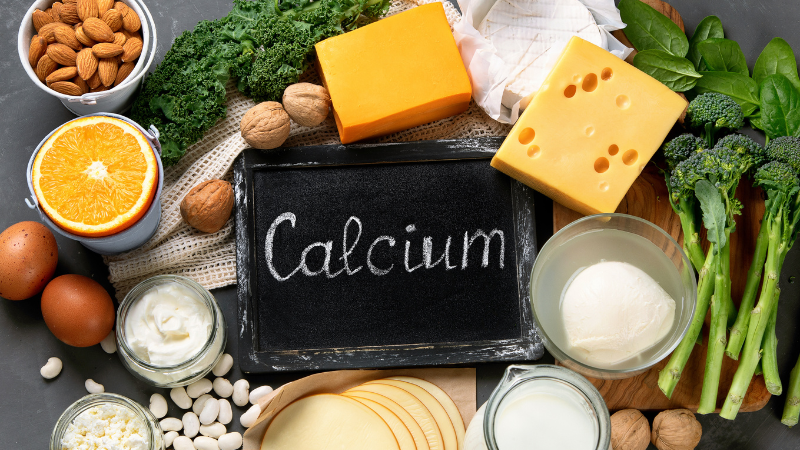
Women are at a higher risk of developing osteoporosis, especially as they age. Calcium and vitamin D are two key nutrients that work together to support strong bones. Calcium is essential for maintaining bone density, while vitamin D aids in calcium absorption and bone remodeling, making them a powerful duo for skeletal health.
Calcium-rich foods like dairy, leafy greens, and fortified products can help meet daily needs, but supplementation is often recommended for women who don’t consume enough through their diet. This is particularly true for postmenopausal women, whose calcium needs increase due to hormonal changes that accelerate bone loss. A daily supplement can ensure adequate intake and reduce the risk of fractures.
Vitamin D is equally vital, and deficiencies are surprisingly common, especially in areas with limited sunlight. A vitamin D supplement is often necessary to maintain optimal levels, particularly during the winter months. Many supplements combine calcium and vitamin D, offering a convenient way to support bone health with one daily dose.
Iron for Energy and Vitality
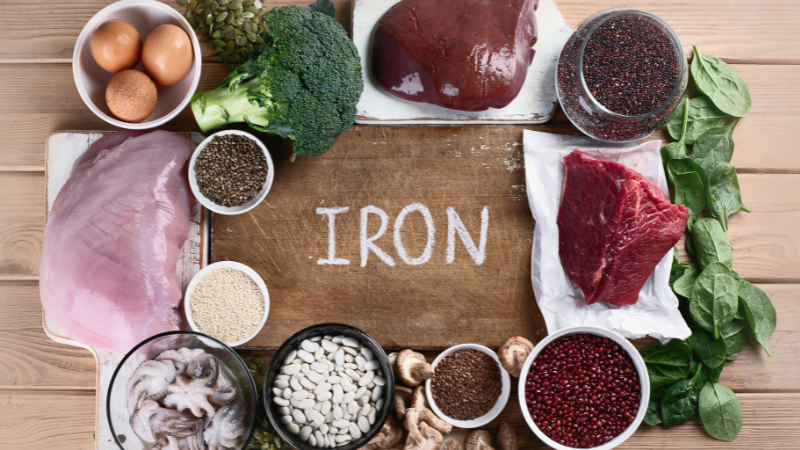
Iron is essential for women, particularly during childbearing years, due to monthly blood loss through menstruation. This mineral is a critical component of hemoglobin, the protein in red blood cells that transports oxygen throughout the body. Low iron levels can lead to fatigue, weakness, and anemia, making supplementation crucial for many women.
Dietary sources of iron include red meat, poultry, fish, beans, and fortified cereals. However, women with heavy menstrual cycles or those following vegetarian or vegan diets are at a higher risk of iron deficiency. For these individuals, a supplement can help meet daily requirements and support energy levels.
When choosing an iron supplement, it’s important to consider its form and dosage. Ferrous sulfate, ferrous gluconate, and heme iron are common options, each with varying levels of absorption and tolerability. Pairing iron with vitamin C can enhance absorption, so look for supplements that include this beneficial combination.
Folic Acid for Reproductive Health
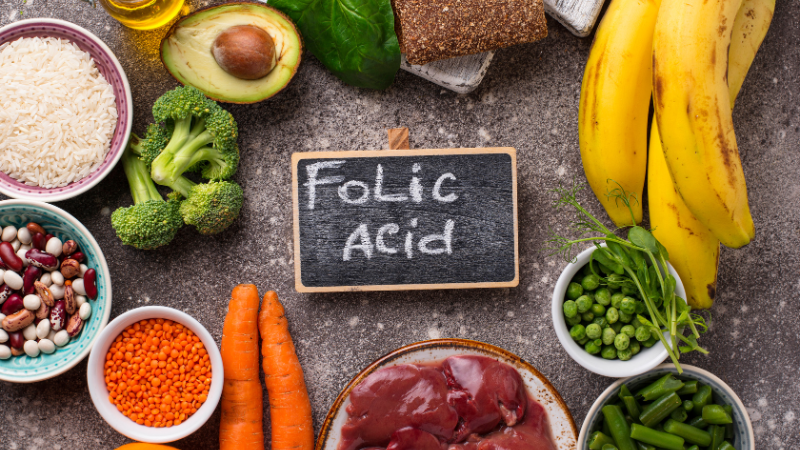
Folic acid, a synthetic form of folate (vitamin B9), is a must-have for women of reproductive age, especially for those planning to conceive. This essential nutrient plays a vital role in DNA synthesis and cell division, making it critical for fetal development. Adequate folic acid intake reduces the risk of neural tube defects in babies, such as spina bifida.
While folic acid is often associated with pregnancy, it’s also beneficial for overall health. It supports red blood cell production, aids in preventing anemia, and promotes healthy skin and hair. Leafy greens, citrus fruits, and fortified grains are excellent dietary sources, but supplementation ensures consistent intake.
Women trying to conceive or in the early stages of pregnancy are usually advised to take 400–800 micrograms of folic acid daily. Many prenatal vitamins include this amount, simplifying the process for expectant mothers. Even for those not planning a pregnancy, folic acid remains a valuable addition to a daily health routine.
Omega-3 Fatty Acids for Heart and Brain Health
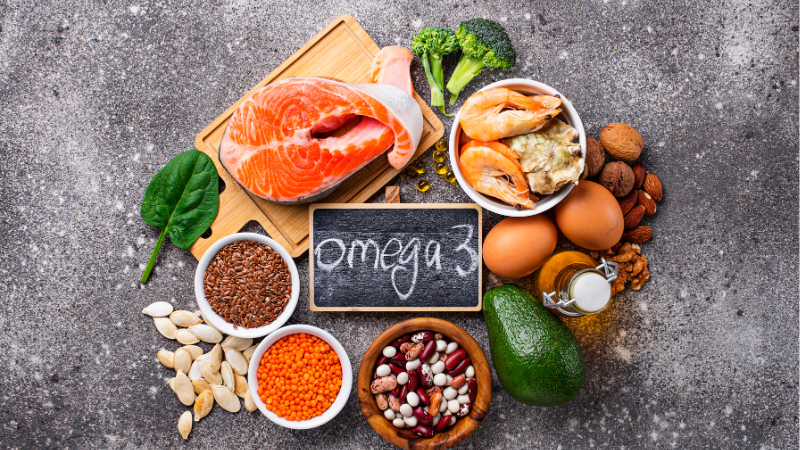
Omega-3 fatty acids, particularly EPA and DHA, are essential for cardiovascular and cognitive health. These healthy fats reduce inflammation, support heart function, and improve brain performance. They’re especially important for women as they may help manage menstrual pain, reduce the risk of depression, and promote healthy skin.
Fatty fish like salmon, mackerel, and sardines are rich sources of omega-3s, but many women fall short of the recommended intake. Fish oil supplements or plant-based alternatives like algal oil provide a convenient way to meet daily needs. These supplements are particularly beneficial for women who don’t eat fish or follow a vegetarian diet.
Omega-3 supplements often come in liquid or capsule form, with varying levels of EPA and DHA. Look for high-quality options that are free from contaminants like mercury. Regular supplementation can improve heart health, reduce triglyceride levels, and support overall well-being.
Probiotics for Gut Health
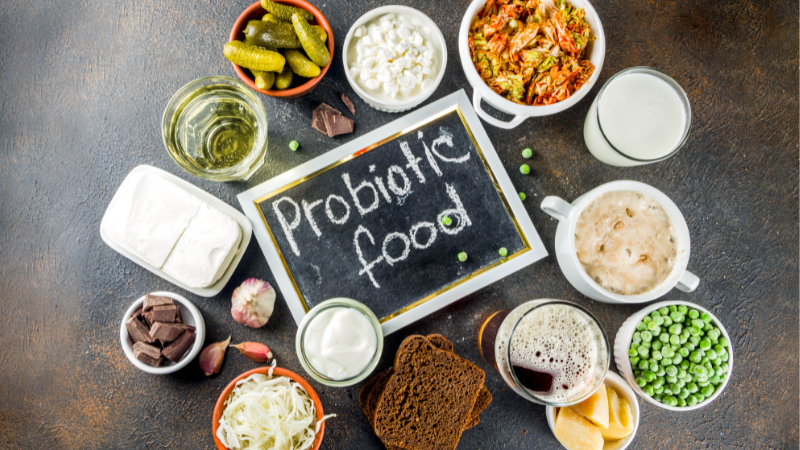
A healthy gut is key to overall wellness, and probiotics play a significant role in maintaining balance within the digestive system. These beneficial bacteria help regulate digestion, boost immunity, and even influence mood and mental health. For women, certain strains may also support vaginal health by preventing infections like yeast infections and bacterial vaginosis.
Probiotics can be found in fermented foods like yogurt, kefir, sauerkraut, and kimchi, but supplements offer targeted benefits with specific strains. Lactobacillus and Bifidobacterium are two common probiotic strains known to support women’s health. Choosing a supplement with multiple strains and a high CFU count (colony-forming units) ensures maximum effectiveness.
Probiotics work best when taken consistently, and they’re safe for daily use. Combining a probiotic supplement with a fiber-rich diet can enhance gut health and promote regularity, making it easier to achieve long-term digestive wellness.
Magnesium for Muscle and Nerve Function
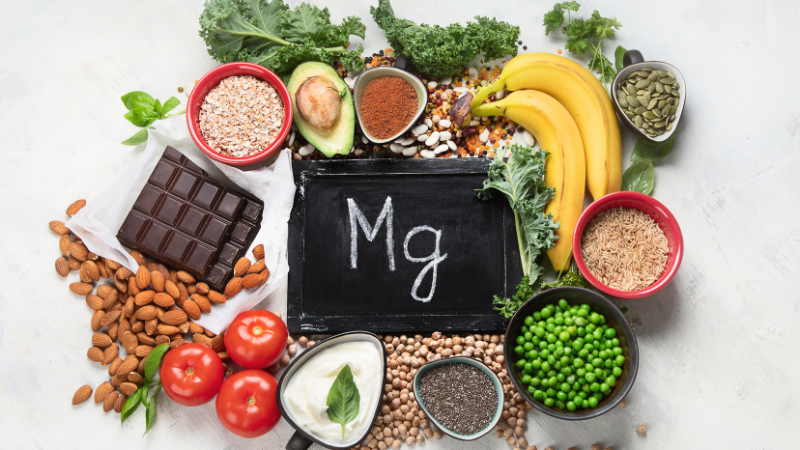
Magnesium is an essential mineral involved in over 300 biochemical reactions in the body, including muscle and nerve function, energy production, and blood sugar regulation. For women, magnesium is particularly helpful in alleviating symptoms of PMS, including cramps, mood swings, and fatigue.
Despite its importance, many people don’t get enough magnesium through their diet. Dark leafy greens, nuts, seeds, and whole grains are good sources, but supplements can ensure adequate intake. Magnesium glycinate and citrate are popular forms known for their high absorption and gentle effect on the stomach.
Regular magnesium supplementation can improve sleep quality, reduce stress, and support bone health by working alongside calcium. For women experiencing migraines, magnesium may also provide relief by relaxing blood vessels and reducing inflammation.
Multivitamins for Overall Health
For women seeking a convenient way to cover their nutritional bases, a high-quality multivitamin can be an excellent choice. Multivitamins typically combine essential vitamins and minerals, including vitamins A, C, D, E, K, and the B-complex, along with key minerals like magnesium, zinc, and selenium.
Multivitamins are particularly beneficial during times of increased nutritional demand, such as pregnancy, breastfeeding, or post-menopause. They’re also useful for women with dietary restrictions, such as vegans or those with food allergies, who may struggle to meet their nutritional needs through diet alone.
When selecting a multivitamin, look for one tailored to women’s health that meets daily recommended values without exceeding them. Consistent use can support energy, immunity, and overall wellness, serving as a foundation for a healthy lifestyle.