Supplements for Weight Loss

Losing weight can feel like an uphill battle, especially when diet and exercise alone don’t seem to cut it. For many, supplements for weight loss are an attractive solution, offering the promise of quicker results. But with so many products on the market, it’s essential to understand how these supplements work and which ones might actually help.
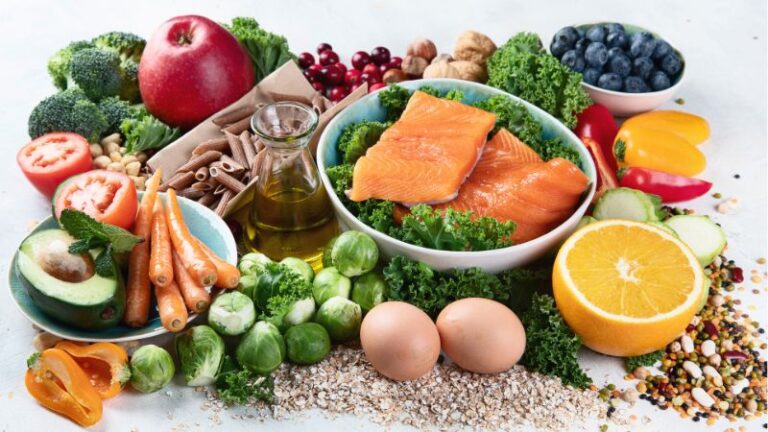
The truth is, no pill or powder can replace a balanced diet and consistent physical activity, but some supplements can support your weight loss journey. By boosting metabolism, reducing appetite, or enhancing fat burning, the right supplements may help you achieve your goals more efficiently. Let’s dive into the most popular options and how they work.
1. Green Tea Extract
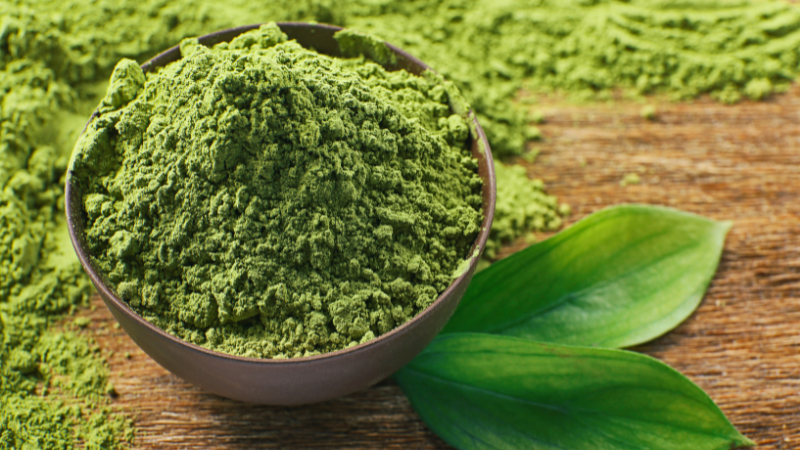
Green tea extract is one of the most popular natural supplements for weight loss. It’s rich in antioxidants like EGCG (epigallocatechin gallate), which is believed to enhance fat burning and improve metabolic rate.
Studies suggest that green tea extract can increase calorie expenditure by 4-5%. This may seem small, but over time, it can make a significant difference. Additionally, green tea is a natural energy booster, helping you stay active throughout the day.
To get the most out of green tea extract, look for supplements standardized for EGCG content. Combine it with regular exercise for maximum results, and avoid consuming it too late in the day as it can interfere with sleep.
2. Caffeine
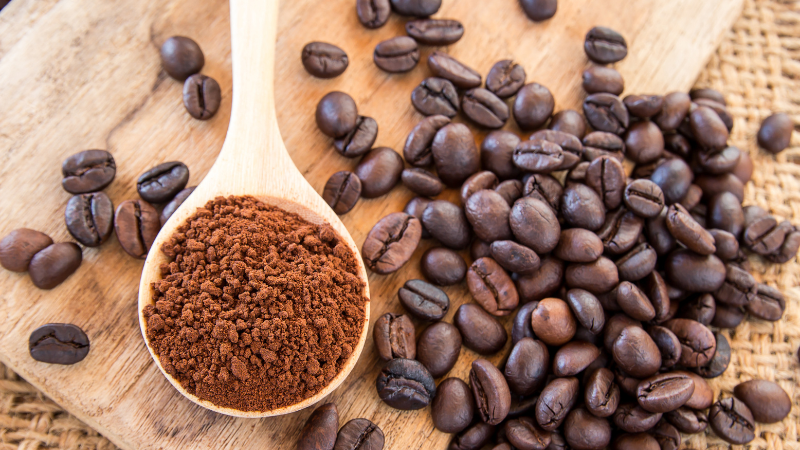
Caffeine isn’t just for waking you up in the morning; it’s a potent thermogenic that can help boost your metabolism. By increasing energy expenditure, caffeine helps your body burn more calories even at rest.
In addition to burning calories, caffeine may also improve physical performance. This can be particularly beneficial if you’re engaging in high-intensity workouts to lose weight. However, excess caffeine can lead to jitteriness, insomnia, and increased heart rate, so moderation is key.
Choose caffeine supplements or opt for natural sources like coffee or green tea. Start with a lower dose to assess tolerance, and avoid taking it too late to prevent sleep disruption.
3. Garcinia Cambogia

Garcinia cambogia, a tropical fruit extract, has gained popularity for its weight-loss claims. The active ingredient, hydroxycitric acid (HCA), is thought to reduce appetite and block fat production.
Studies on garcinia cambogia’s effectiveness are mixed, but some research suggests it may help reduce body weight modestly when combined with a calorie-controlled diet. HCA works by inhibiting citrate lyase, an enzyme involved in fat production.
Be cautious when choosing garcinia cambogia supplements, as the market is flooded with low-quality products. Always opt for a trusted brand and consult a healthcare provider before use.
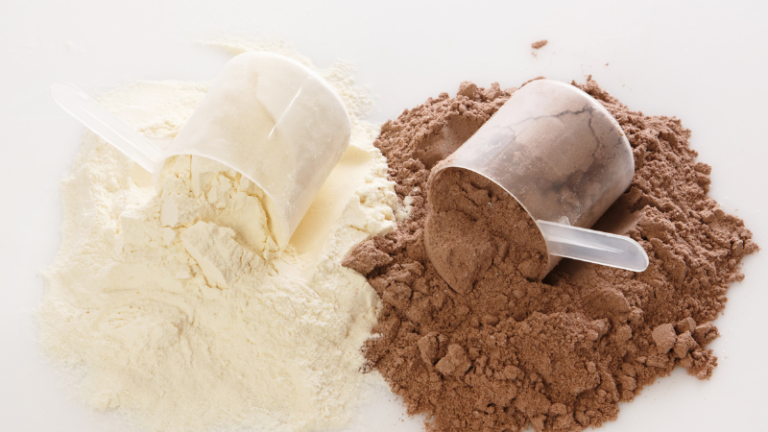
4. Protein Powders
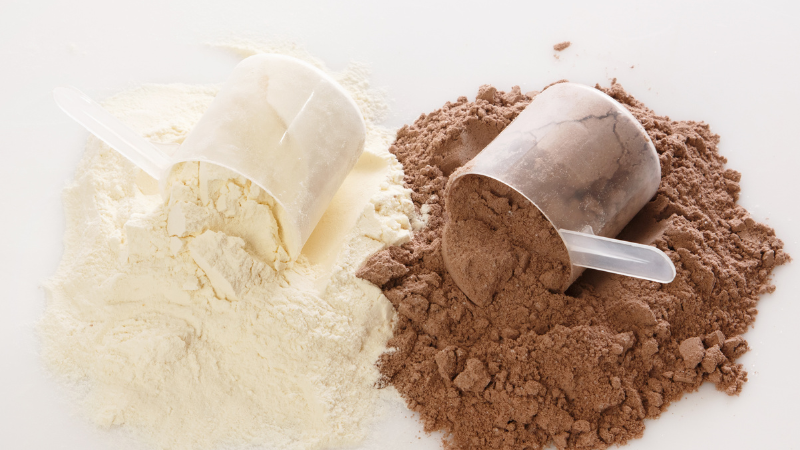
Protein is essential for weight loss, as it helps build muscle and keeps you feeling full longer. Protein powders are a convenient way to increase your protein intake without adding too many calories.
Research shows that a high-protein diet can reduce hunger and boost metabolism, making it easier to stick to your calorie goals. Whey, casein, and plant-based proteins like pea or rice are all excellent options.
To use protein powder effectively, have it as a post-workout shake or a meal replacement. However, remember that calories from protein powders still count, so incorporate them mindfully into your daily intake.
5. CLA (Conjugated Linoleic Acid)
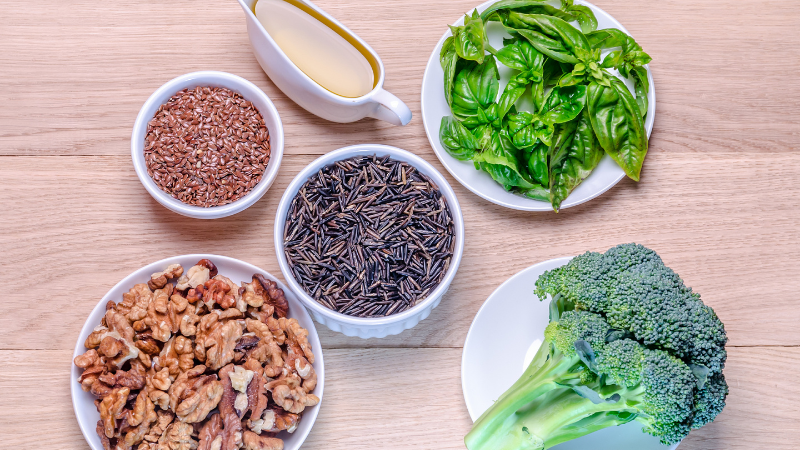
CLA is a type of fatty acid found in meat and dairy that may support fat loss. It’s believed to work by reducing fat storage and increasing fat breakdown in the body.
Some studies suggest that CLA can help with modest weight loss over time, though results vary. It may also improve body composition by promoting lean muscle mass.
For the best results, choose high-quality CLA supplements. As with all supplements, consult a healthcare professional before adding CLA to your routine, especially if you have pre-existing health conditions.
6. Apple Cider Vinegar
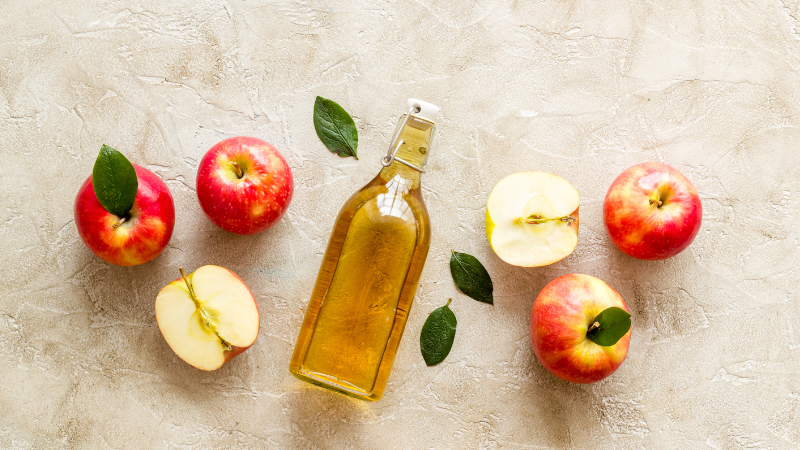
Apple cider vinegar has been touted for its numerous health benefits, including weight loss. Its active ingredient, acetic acid, may help reduce fat storage, suppress appetite, and improve metabolism.
Research suggests that consuming apple cider vinegar before meals can lead to lower post-meal blood sugar levels, which may prevent fat storage. However, drinking it straight can damage your teeth, so dilute it in water before consuming.
While apple cider vinegar can be a helpful addition, it’s not a magic solution. Pair it with a healthy diet and exercise for the best outcomes.
7. Fiber Supplements
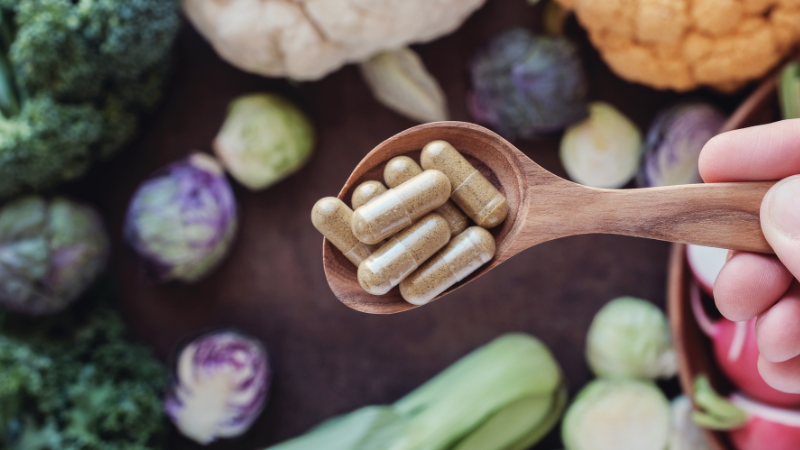
Fiber is crucial for weight loss because it helps you feel full, reducing the likelihood of overeating. Supplements like psyllium husk or glucomannan are popular choices.
Glucomannan, in particular, has been shown to absorb water and expand in your stomach, creating a feeling of fullness. This can help you consume fewer calories without feeling deprived.
When using fiber supplements, start with a small dose to avoid digestive discomfort. Drink plenty of water to help the fiber work effectively and prevent bloating.
8. L-Carnitine
L-carnitine is an amino acid that plays a role in energy production by transporting fatty acids into your cells to be burned for energy.
Although the body produces l-carnitine naturally, supplementation may enhance fat-burning, especially during exercise. Some studies suggest that it may improve weight loss and reduce fatigue.
Look for supplements containing acetyl-l-carnitine, which is absorbed more effectively. Combine it with regular workouts for the best results.
9. Probiotics
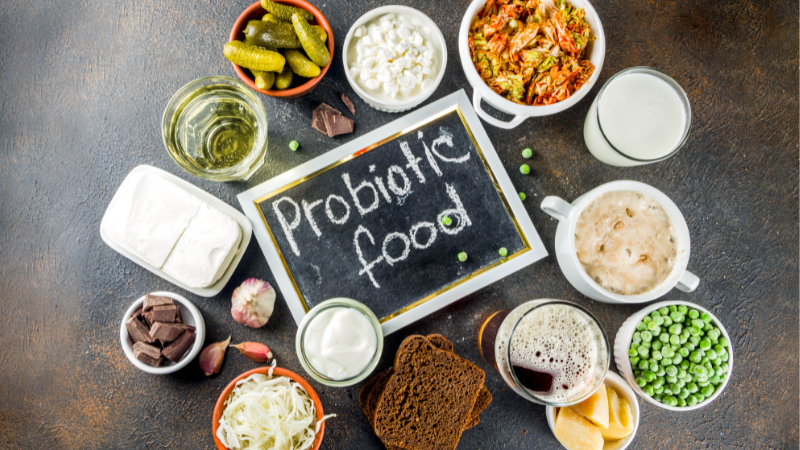
Probiotics are beneficial bacteria that support gut health, which can indirectly influence weight loss. Certain strains, such as Lactobacillus gasseri, have been linked to reduced belly fat.
A healthy gut microbiome is essential for proper digestion and metabolism. Probiotics may also reduce inflammation, which can contribute to weight gain.
Choose a high-quality probiotic supplement with diverse strains. Pair it with a fiber-rich diet to feed the good bacteria and promote gut health.
10. Chromium Picolinate
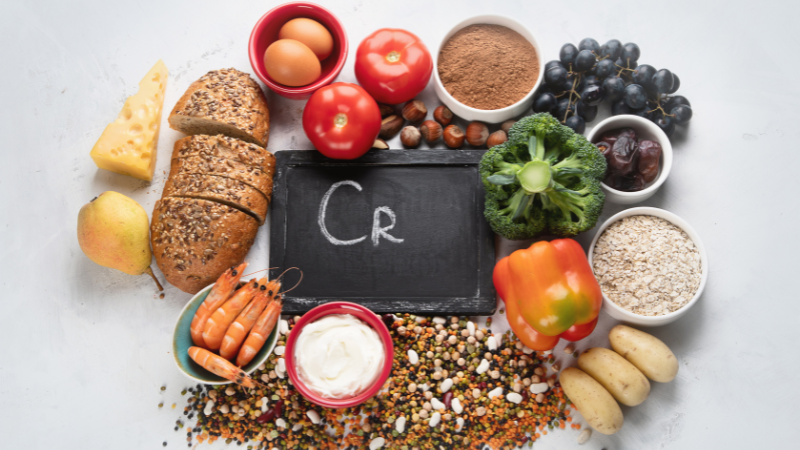
Chromium picolinate is a mineral that may help regulate blood sugar levels and reduce cravings, particularly for sugary foods.
By improving insulin sensitivity, chromium picolinate may help your body process carbohydrates more efficiently. This can reduce the likelihood of storing excess sugar as fat.
Consult a healthcare provider before taking chromium supplements, as overuse can lead to side effects like dizziness or upset stomach.
11. Omega-3 Fatty Acids
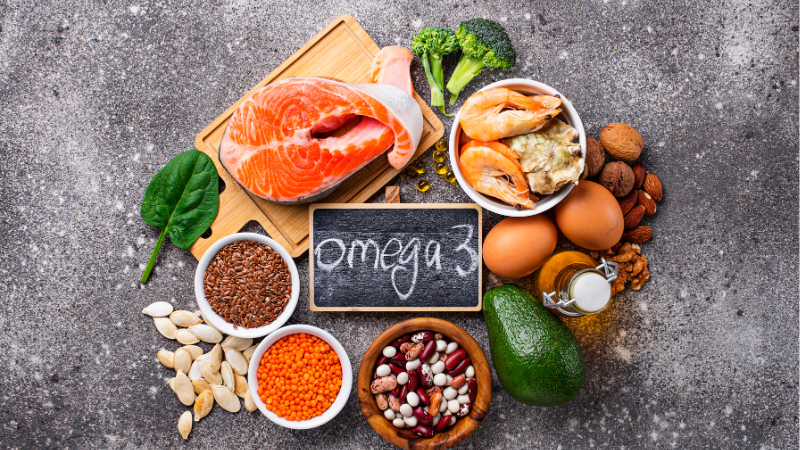
Omega-3s, found in fish oil, have been shown to improve metabolic health. They may help reduce inflammation and promote fat-burning, particularly during exercise.
Although omega-3s aren’t a direct weight-loss supplement, they can enhance your overall health, making it easier to lose weight. They also support heart and brain health.
Opt for high-quality fish oil supplements with a good balance of EPA and DHA. Take them with meals to enhance absorption.
12. Yohimbine

Yohimbine, derived from the bark of an African tree, is a stimulant that may help with fat loss by increasing adrenaline levels.
This supplement is most effective during fasted exercise, as it helps mobilize fat from stubborn areas like the abdomen. However, it can cause side effects like anxiety and increased heart rate.
Use yohimbine cautiously, starting with a low dose, and monitor your body’s response. It’s not suitable for everyone, especially those sensitive to stimulants.
13. Resveratrol

Resveratrol, found in red wine and grapes, is a powerful antioxidant that may promote fat metabolism and reduce inflammation.
Some studies suggest that resveratrol can influence gene expression related to fat storage, making it easier to lose weight. However, its effects are mild and work best when combined with a healthy lifestyle.
Look for resveratrol supplements derived from natural sources. While it’s no miracle cure, it can complement other weight-loss strategies.
14. Multivitamins
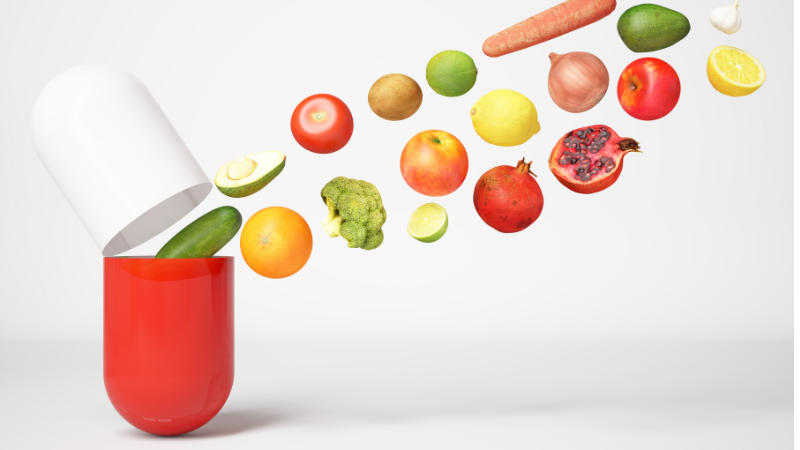
A good multivitamin ensures you’re getting essential nutrients that might be lacking in your diet. Deficiencies in vitamins like D and B12 can slow your metabolism, making it harder to lose weight.
By filling these nutritional gaps, a multivitamin can support energy levels and overall health, making it easier to stick to your weight-loss plan. While not a direct fat burner, it’s an important part of your overall wellness.
Choose a high-quality multivitamin tailored to your needs. Combine it with a balanced diet to maximize its benefits.
Remember, supplements can help, but they aren’t magic solutions. Pair them with a healthy lifestyle for the best results.