Immune-Boosting Supplements

Many people want to keep their immune systems strong, especially when germs seem to be everywhere. Supplements can support our bodies by adding nutrients that might be missing from our diets. They can help reduce the risk of illness and make our daily routines more comfortable.
Below is a list of 13 immune-boosting supplements. Each one plays a different role in strengthening the body’s defenses. However, it is important to remember that supplements are not a magic fix. They work best when combined with a balanced diet, enough sleep, and regular physical activity.
1. Vitamin C
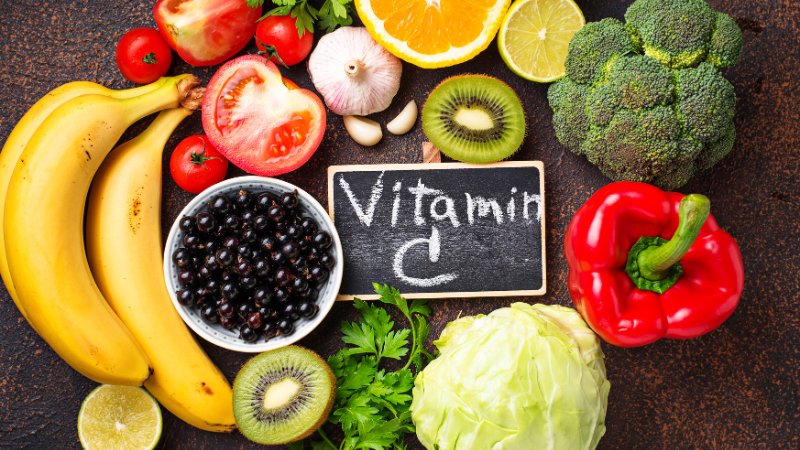
Vitamin C is a well-known immune booster. It supports the production of white blood cells, which help defend against infections. When our bodies face stress or illness, we use more vitamin C, so it is important to keep levels adequate.
Fruits and vegetables are the best sources of vitamin C. Oranges and kiwi are common examples. Bell peppers and broccoli also have high amounts. Supplements can fill gaps when fresh produce is scarce or when people have higher needs.
Some prefer slow-release vitamin C capsules. Others go for chewable forms. If you have a sensitive stomach, look for supplements labeled “buffered.” This form is gentler on digestion.
2. Vitamin D
Vitamin D is often called the sunshine vitamin. Our skin makes it naturally when exposed to sunlight. Some experts believe it helps regulate the immune system and reduce inflammation. Many people have low vitamin D, especially in winter or if they spend little time outdoors.
You can find vitamin D in certain foods like fatty fish, egg yolks, and fortified milk. However, it can be challenging to get enough from diet alone. Supplements may help keep levels steady, especially for those with limited sun exposure.
Vitamin D supplements commonly come in D2 or D3. D3 is thought to be more effective at raising and maintaining blood levels. A blood test can show if you are deficient. Talk with a healthcare provider to find the right dosage for you.
3. Zinc
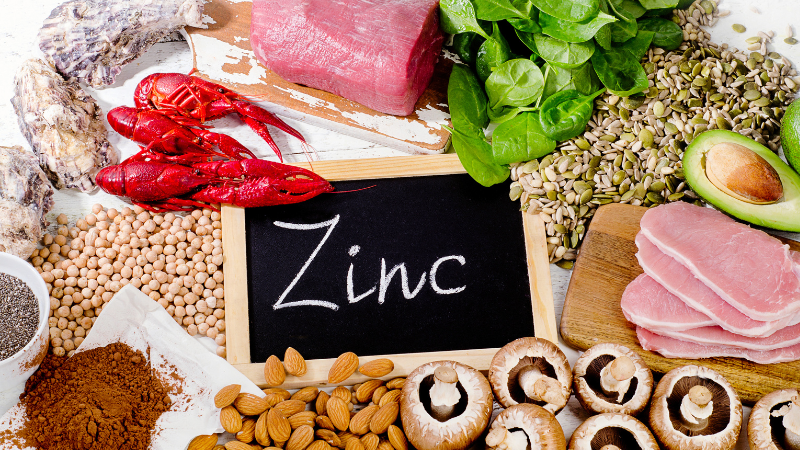
Zinc plays an important role in immune function. It helps with cell growth and supports enzymes that fight infections. When we are low in zinc, we might notice more frequent colds or trouble healing wounds.
We can get zinc from foods like oysters, beef, pumpkin seeds, and beans. However, some people choose to take supplements for an extra boost. Zinc lozenges are also popular when people feel a cold coming on.
It is best not to overdo zinc supplements. Too much zinc can cause stomach upset or interfere with other minerals like copper. Staying with recommended amounts helps keep your immune system balanced and strong.
4. Elderberry
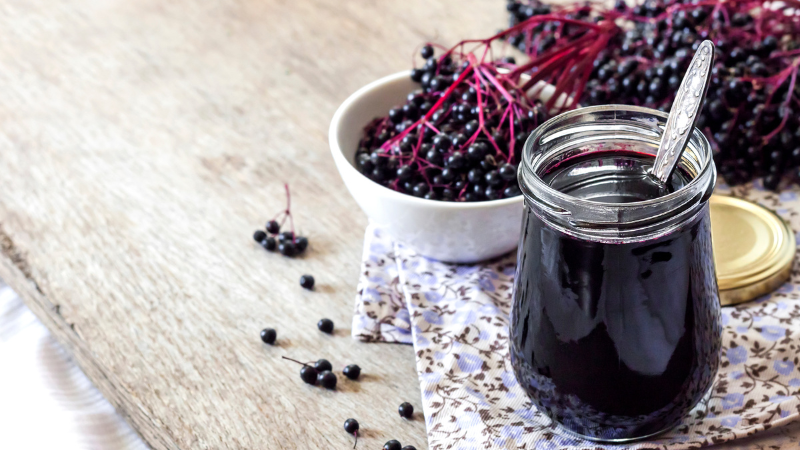
Elderberry is a traditional remedy that some people use for colds and flu. It contains antioxidants and other compounds that may help the immune system respond quickly. Many users say elderberry syrup soothes a sore throat or reduces congestion.
Besides syrups, elderberry is available in gummies, capsules, and teas. Some find it convenient to keep a small bottle of syrup at home, especially during colder months. Always follow package directions for best results.
It is important to choose a trusted brand. Raw or unripe elderberries can be harmful, so they must be prepared safely. Look for products that use properly processed elderberry extracts.
5. Probiotics
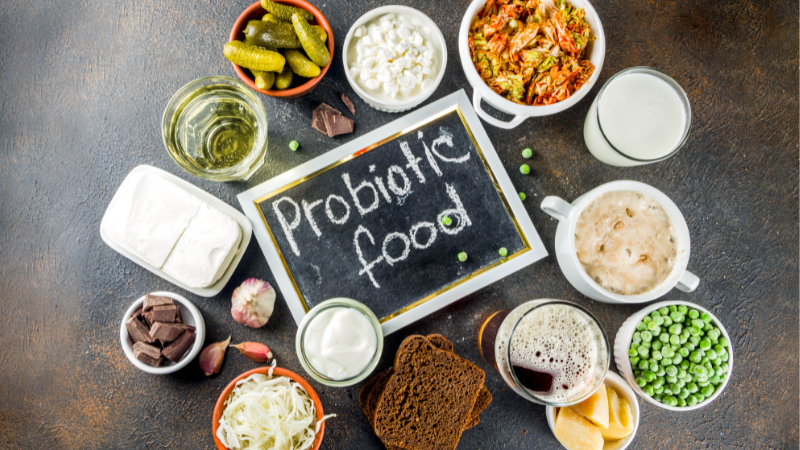
Probiotics are beneficial bacteria that support a healthy gut environment. Our gut is closely linked to immune function. Having the right balance of good bacteria can help the body fight off harmful germs.
These supplements often come in capsules or powders. Foods like yogurt, kefir, and fermented vegetables also provide natural probiotics. Some people notice fewer digestive issues and improved immunity after adding probiotics to their diet.
Different strains of bacteria can have different effects. Lactobacillus and Bifidobacterium are common in probiotic supplements. If you have specific concerns, look for a strain that matches your goal, like digestive support or overall immune health.
6. Garlic Supplements
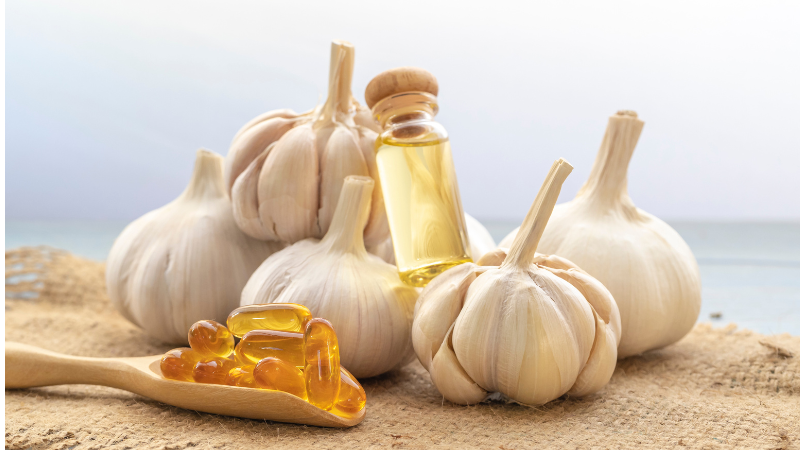
Garlic has a long history as a natural health aid. It contains compounds like allicin that may help the immune system. Fresh garlic cloves are a flavorful way to incorporate this plant into cooking, but many people also use odorless garlic supplements.
Some choose garlic pills to avoid the strong aroma. These can still deliver the beneficial compounds without affecting your breath. Look for supplements that mention allicin content, as this is one of the active substances in garlic.
Garlic may also support healthy blood pressure and cholesterol levels. Though not a direct immune function, overall heart health can keep the body strong. In any case, garlic remains a popular choice for daily wellness.
7. Vitamin A
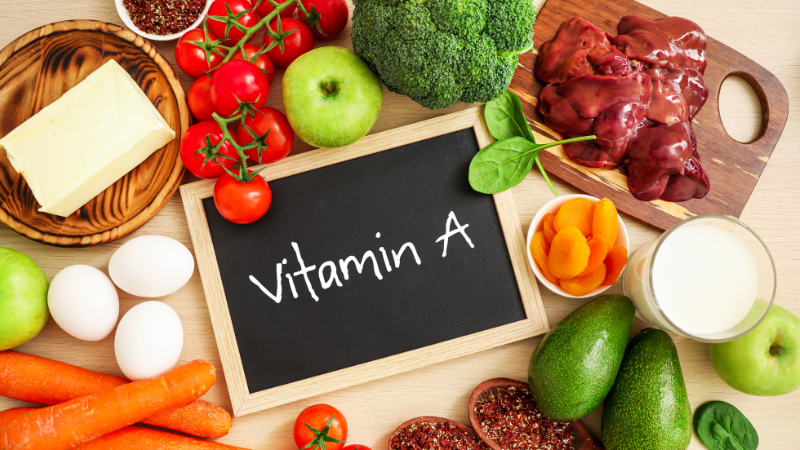
Vitamin A supports healthy cells in the skin and lining of the respiratory tract. These tissues act as barriers against germs, so vitamin A helps maintain a strong first line of defense. It is also known to assist in the production of white blood cells.
We can get vitamin A from foods like carrots, sweet potatoes, and spinach. These contain beta-carotene, which the body converts into vitamin A. Many dairy products and fortified cereals also have vitamin A.
When supplementing, it is best not to exceed recommended amounts. Vitamin A is fat-soluble, and too much can be harmful. A balanced approach, often through a multi-vitamin or a varied diet, is safest for most people.
8. Selenium
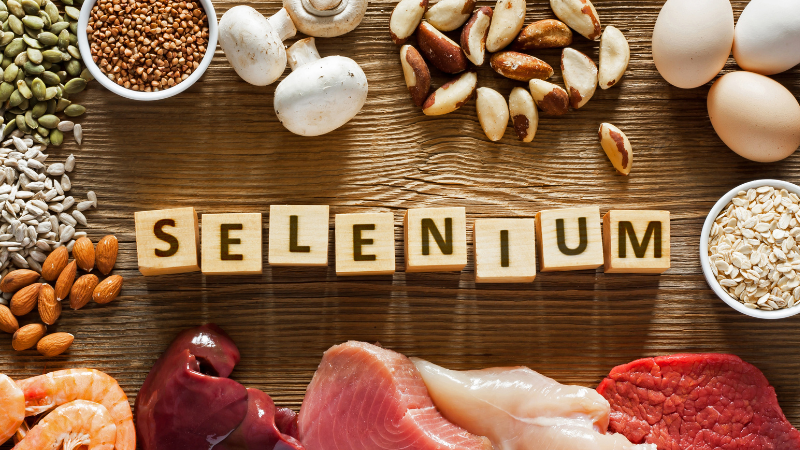
Selenium is a trace mineral that contributes to immune health. It supports antioxidant activity, helping the body protect itself from oxidative stress. Some people with low selenium might notice more fatigue or higher susceptibility to illness.
Foods like Brazil nuts, tuna, and whole grains can provide selenium. However, those who have limited diets may choose supplements. A daily multi-vitamin might already include a suitable amount of selenium, so check labels before adding a separate supplement.
Taking too much selenium can cause side effects such as hair loss or digestive discomfort. The amounts found in most quality supplements are generally safe. Staying within recommended limits helps ensure that selenium contributes positively to immune support.
9. Echinacea
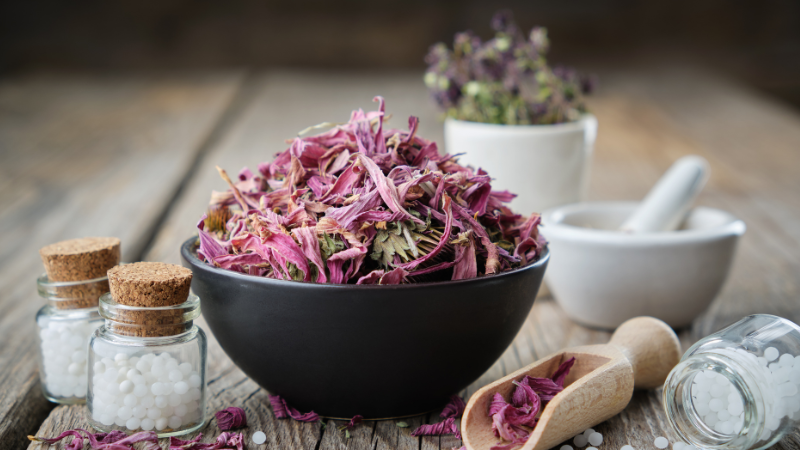
Echinacea is a popular herb often used during cold and flu season. It is believed to stimulate immune cells and lessen the severity of infections. Capsules, teas, and liquid extracts are common forms.
Some research suggests echinacea may shorten the duration of cold symptoms if taken at the first sign of illness. However, results vary among individuals. If you plan to use echinacea, follow product directions and monitor how your body responds.
Not everyone tolerates echinacea the same way. People with certain allergies or autoimmune conditions might need to be cautious. Checking with a healthcare professional can help you decide if echinacea is a good fit for your situation.
10. Ginger Supplements
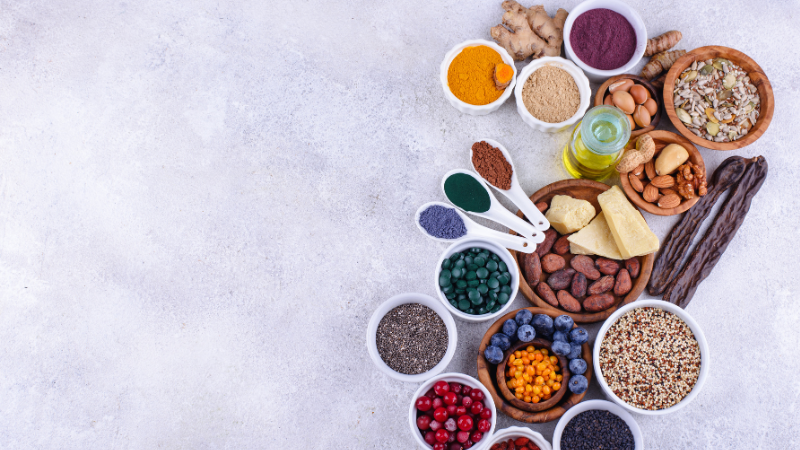
Ginger is known for its soothing properties. It can calm an upset stomach and possibly reduce inflammation. Many people add ginger to tea or include it in recipes, but capsules and extracts are options for those who want a more concentrated dose.
Some studies suggest that ginger’s antioxidant compounds may lend a hand in immune function. It might also help the body handle minor aches and pains that sometimes come with colds. A warm ginger tea with honey can be a comforting remedy on a chilly day.
When choosing ginger supplements, read the label for the level of active components like gingerols. If you have acid reflux or sensitive digestion, start with a smaller dose to see how you react.
11. Turmeric
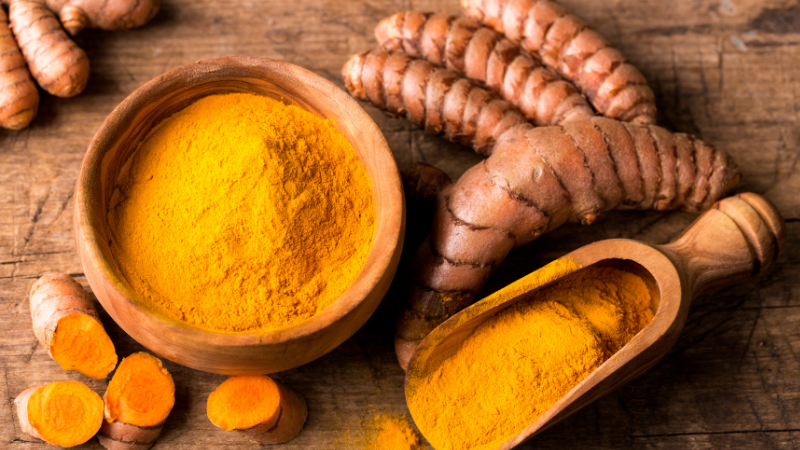
Turmeric is rich in curcumin, a substance with potential anti-inflammatory effects. By lowering inflammation, it may indirectly support immune health. Many people use turmeric in cooking, but capsules or liquid extracts can offer a stronger, more consistent dose.
Black pepper extracts, such as piperine, are often added to turmeric supplements. They help the body absorb curcumin more effectively. When buying a supplement, look for one that includes piperine or a similar absorption aid.
Long-term use of turmeric might support a healthy immune response and overall wellness. It is typically considered safe in moderate doses, but high amounts can sometimes affect digestion. Check with a healthcare provider if you plan to take large doses or have specific health conditions.
12. Omega-3 Fatty Acids
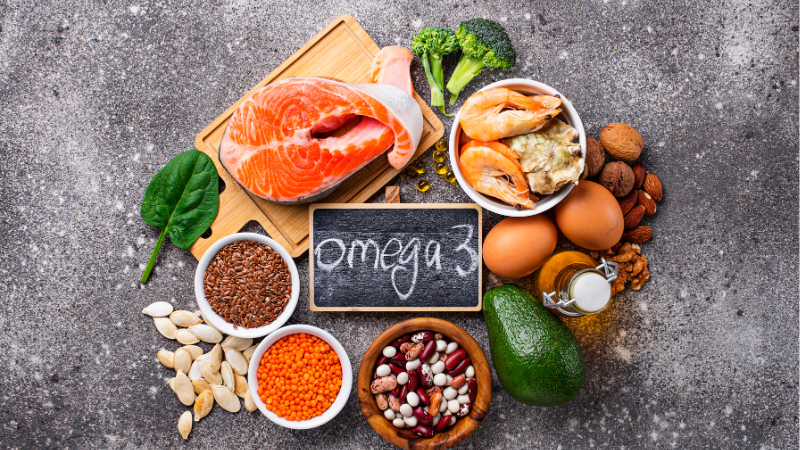
Omega-3 fatty acids, found in fish oil or algae-based supplements, are essential fats for many body processes. They help manage inflammation, which can assist the immune system. A balanced inflammatory response allows our bodies to focus on fighting harmful invaders rather than overreacting to every signal.
Fatty fish like salmon, mackerel, and sardines are good dietary sources. Many people do not get enough omega-3 from food alone, so they turn to supplements. Fish oil capsules are common, but if you follow a plant-based diet, algae oil is a suitable alternative.
When shopping for omega-3 supplements, check labels for EPA and DHA content. These are the most active forms. A little daily dose can provide heart and joint benefits, as well as potential support for overall immune function.
13. Quercetin
Quercetin is a plant flavonoid found in onions, apples, and berries. It has antioxidant effects that may help regulate inflammation. Some studies suggest quercetin could support the immune system’s response to viruses and bacteria.
It is available as a standalone supplement or as part of various immune-boosting blends. People often pair quercetin with vitamin C or bromelain, an enzyme from pineapples, to enhance absorption. Reading product labels can help you decide which combination suits your needs.
Quercetin is generally well-tolerated. However, large doses over time might lead to digestive discomfort. As with any supplement, balance is key. Including a variety of fruits and vegetables in your diet is a natural way to get some quercetin each day.
Final Thoughts
Immune-boosting supplements can add extra layers of protection when our bodies face threats like seasonal colds or everyday stress. They often work best when combined with a healthy lifestyle, including a balanced diet and regular exercise. Checking with a healthcare professional can help you find the right blend of supplements for your goals and health status.
Focusing on a few key nutrients can bring noticeable benefits. Consistency is important. Taking a chosen supplement each day helps maintain levels in the body, making it easier to fight off germs. Listening to your body’s reactions is also wise, as it can guide you on which products truly help.
By exploring options like vitamin C, zinc, or herbal extracts, you can personalize a plan that supports your immune system. Even small changes may lead to fewer sick days and improved energy. A mindful approach, guided by facts and professional advice, is the best way to boost your defenses and stay healthy all year long.