
Pre-Workout and Post-Workout Supplements
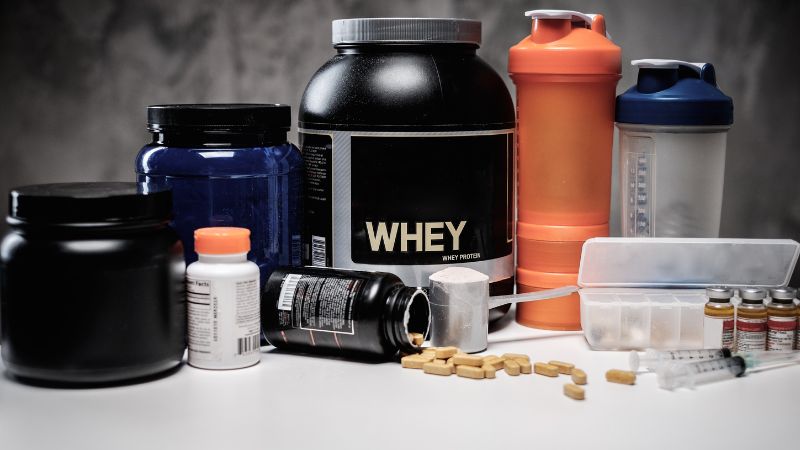
Pre-workout and post-workout supplements can enhance your performance and recovery, helping you get the most out of your training. Whether you need an energy boost before your workout or support for muscle repair afterward, the right supplements can make a noticeable difference.
Understanding which supplements to take before and after exercise can help you optimize endurance, strength, and recovery. Below, we break down six key pre-workout and five post-workout supplements to help you train more effectively.
Pre-Workout Supplements
Pre-workout supplements are designed to enhance energy, endurance, and focus before training. They help you push through workouts with greater intensity and reduce early fatigue.
Caffeine
Caffeine is one of the most effective and widely used pre-workout supplements. It stimulates the central nervous system, improving focus and reducing perceived effort during exercise.
Studies show that caffeine can enhance endurance and strength, making it beneficial for both cardio and resistance training. It also helps mobilize fat for energy, potentially preserving glycogen stores.
The ideal dose ranges from 150-300 mg, taken 30-60 minutes before a workout. However, sensitivity varies, so start with a lower dose if needed.
Beta-Alanine
Beta-alanine helps delay muscle fatigue by increasing carnosine levels in muscles. This reduces the buildup of lactic acid, allowing for longer and more intense training sessions.
It is particularly effective for high-intensity activities like sprinting and weightlifting. Research suggests that consistent use can improve endurance for efforts lasting one to four minutes.
A standard dose is 3-6 grams daily. Some users experience a tingling sensation, but it is harmless and temporary.
Creatine Monohydrate
Creatine is one of the most studied and effective supplements for strength and power. It helps muscles produce ATP, the primary energy source for short bursts of high-intensity activity.
By increasing ATP production, creatine improves performance in activities like weightlifting and sprinting. It also promotes muscle hydration, leading to better endurance and faster recovery.
A typical dose is 3-5 grams per day. While it can be taken pre- or post-workout, consistency is key to seeing benefits.
Citrulline Malate
Citrulline malate is an amino acid that increases nitric oxide production, improving blood flow and oxygen delivery to muscles. This results in better endurance and reduced muscle fatigue.
It has been shown to help with high-intensity training and may decrease post-exercise soreness. Some studies also suggest it can enhance ATP production for better performance.
A recommended dose is 6-8 grams taken 30-60 minutes before training. It is often included in pre-workout blends for its pump-enhancing effects.
Nitric Oxide Boosters (Arginine & Nitrates)
Nitric oxide boosters, such as arginine and dietary nitrates (from beetroot), improve vascular dilation, leading to increased nutrient and oxygen delivery to muscles.
These compounds are known to enhance endurance and power output, making them useful for both aerobic and anaerobic workouts. Nitrate supplementation has been shown to reduce oxygen cost during exercise, improving efficiency.
A dose of 6-8 grams of citrulline malate or 300-500 mg of nitrates before a workout can enhance performance.
Branched-Chain Amino Acids (BCAAs)
BCAAs—leucine, isoleucine, and valine—help prevent muscle breakdown during workouts. They support muscle protein synthesis, which is essential for growth and recovery.
Taking BCAAs before exercise may reduce soreness and fatigue, particularly during endurance training. They can also be beneficial when training in a fasted state to preserve muscle mass.
A serving of 5-10 grams before or during workouts can help improve performance and recovery.
Post-Workout Supplements
Post-workout supplements focus on muscle repair, glycogen replenishment, and reducing soreness. They help your body recover efficiently so you can maintain consistent training performance.
Whey Protein
Whey protein is one of the most effective post-workout supplements for muscle recovery. It provides a fast-digesting source of essential amino acids, particularly leucine, which stimulates muscle protein synthesis.
Consuming whey protein after training helps repair damaged muscle fibers and supports muscle growth over time. It is especially beneficial for strength and resistance training.
A serving of 20-30 grams within an hour post-workout is ideal for muscle recovery.
Casein Protein
Unlike whey, casein protein digests slowly, making it perfect for prolonged amino acid release. This helps reduce muscle breakdown, particularly overnight.
Taking casein before bed supports recovery and prevents catabolism, which is beneficial after evening workouts. It also keeps you feeling fuller for longer.
A recommended dose is 20-40 grams, making it a great nighttime protein source.
L-Glutamine
Glutamine plays a key role in muscle recovery and immune function. Intense training can deplete glutamine levels, slowing down the recovery process.
Supplementing with glutamine after workouts may reduce muscle soreness and support glycogen replenishment. It is particularly useful for endurance athletes and those engaged in heavy training.
A standard dose of 5-10 grams post-workout can help maintain muscle recovery and reduce fatigue.
Omega-3 Fatty Acids
Omega-3 fatty acids, commonly found in fish oil, have strong anti-inflammatory properties. They help reduce muscle soreness and joint pain after intense training.
These healthy fats contribute to overall recovery by decreasing exercise-induced muscle damage. They are also beneficial for cardiovascular health.
A daily intake of 1-3 grams of combined EPA and DHA can support muscle repair and reduce soreness.
Electrolytes
Electrolytes like sodium, potassium, and magnesium help restore hydration and prevent muscle cramps after intense exercise.
Sweating during workouts leads to electrolyte loss, which can result in dehydration and fatigue. Replenishing these minerals helps maintain proper muscle function and energy balance.
Electrolytes can be consumed through sports drinks or powders, especially after prolonged workouts or training in hot conditions.