
Best Supplements for Overall Health

Maintaining overall health starts with a balanced diet, but supplements can help fill nutritional gaps and support your body in various ways. The right supplements can improve energy levels, strengthen immunity, and promote long-term well-being.
Choosing supplements wisely is essential. With so many options available, knowing which ones are most beneficial can make a big difference in your health journey. Here are 11 top supplements for overall health and how they can benefit you.
Tip 1: Multivitamins

A multivitamin is one of the most common and versatile supplements for overall health. It provides essential vitamins and minerals, including vitamin C, vitamin D, iron, and zinc, in one convenient dose.
Multivitamins are especially helpful for those with dietary restrictions or busy lifestyles that make it difficult to get all nutrients from food alone. Look for one tailored to your age, gender, and specific needs.
Although multivitamins are not a substitute for a balanced diet, they act as a safety net, ensuring your body gets what it needs for optimal functioning.
Tip 2: Vitamin D

Vitamin D, often called the “sunshine vitamin,” is crucial for bone health, immune function, and mood regulation. Many people, especially in colder climates, don’t get enough sunlight, leading to deficiency.
This supplement can help prevent issues like weakened bones, fatigue, and poor immune response. Vitamin D3 is the most effective form to take for supplementation.
Pair it with calcium for improved absorption and to support strong bones and teeth. Regular testing can help determine the right dosage for your needs.
Tip 3: Omega-3 Fatty Acids

Omega-3 fatty acids, commonly found in fish oil, are essential for heart, brain, and joint health. They help reduce inflammation, lower cholesterol, and support cognitive function.
For those who don’t eat fish regularly, omega-3 supplements are an excellent alternative. Look for ones that include EPA and DHA, the most beneficial forms of omega-3s.
Plant-based omega-3 options like flaxseed oil are also available for vegetarians and vegans, offering similar health benefits.
Tip 4: Probiotics

Probiotics are supplements that contain beneficial bacteria for your gut, supporting digestion, immunity, and overall gut health. A healthy gut is linked to improved mental health and energy levels.
They can help manage issues like bloating, constipation, and even skin problems. Look for probiotics with a variety of strains, such as Lactobacillus and Bifidobacterium.
Consistency is key with probiotics. Take them daily and pair them with a fiber-rich diet for the best results.
Tip 5: Magnesium

Magnesium is an essential mineral that plays a role in over 300 bodily processes, including muscle function, nerve health, and sleep regulation. Many people are deficient without realizing it.
Taking a magnesium supplement can help reduce muscle cramps, improve sleep quality, and support heart health. Magnesium glycinate is particularly well-absorbed and gentle on the stomach.
If you’re active or stressed, you may need higher magnesium levels, making this supplement a valuable addition to your routine.
Tip 6: Vitamin C

Vitamin C is a powerful antioxidant known for boosting the immune system and protecting the body from free radicals. It also supports skin health by aiding in collagen production.
Supplementing with vitamin C is especially beneficial during cold and flu season or if you’re recovering from illness. Look for time-release options to ensure steady absorption throughout the day.
Vitamin C is water-soluble, meaning excess amounts are excreted. This makes it a safe supplement to take regularly.
Tip 7: Zinc

Zinc is an essential trace mineral that supports immune function, wound healing, and skin health. It also plays a role in maintaining your sense of taste and smell.
Zinc supplements are particularly helpful during illness, as they can shorten the duration of colds and other infections. They’re also useful for those with zinc deficiencies, such as vegetarians.
Choose zinc gluconate or zinc picolinate for better absorption, and take it with food to avoid stomach upset.
Tip 8: Calcium

Calcium is vital for maintaining strong bones and teeth. It’s especially important for women, as they are at a higher risk for osteoporosis as they age.
While dietary sources like dairy and leafy greens are ideal, calcium supplements can help fill the gap if your intake is insufficient.
Pair calcium with vitamin D to improve absorption and ensure your body utilizes this essential mineral effectively.
Tip 9: Iron
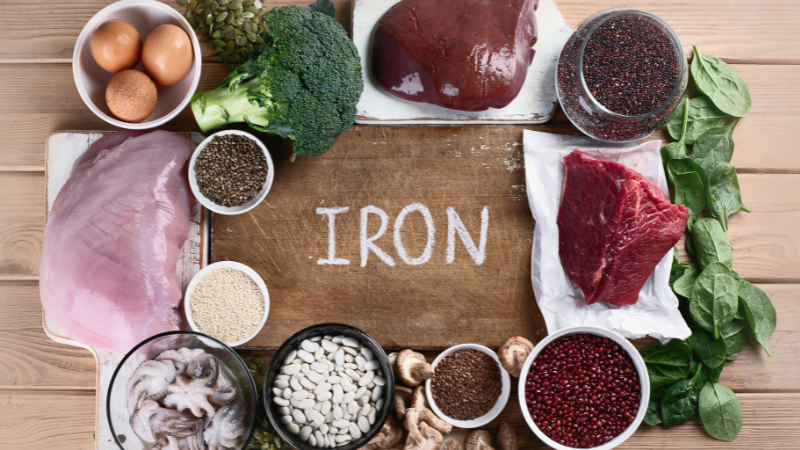
Iron is crucial for carrying oxygen throughout the body, and a deficiency can lead to fatigue, weakness, and difficulty concentrating. This is particularly common in women and vegetarians.
Iron supplements are available in various forms, with ferrous sulfate being the most common. Pair iron with vitamin C to improve absorption and reduce stomach discomfort.
Consult with a doctor before supplementing with iron, as too much can be harmful. Regular testing helps determine your individual needs.
Tip 10: Collagen

Collagen is the most abundant protein in the body and supports skin elasticity, joint health, and hair strength. Its production naturally decreases with age, leading to wrinkles and joint pain.
Supplementing with collagen, particularly hydrolyzed collagen peptides, can help maintain youthful skin and strong joints.
Collagen is versatile and can be added to smoothies, coffee, or water, making it an easy addition to your daily routine.
Tip 11: B-Complex Vitamins
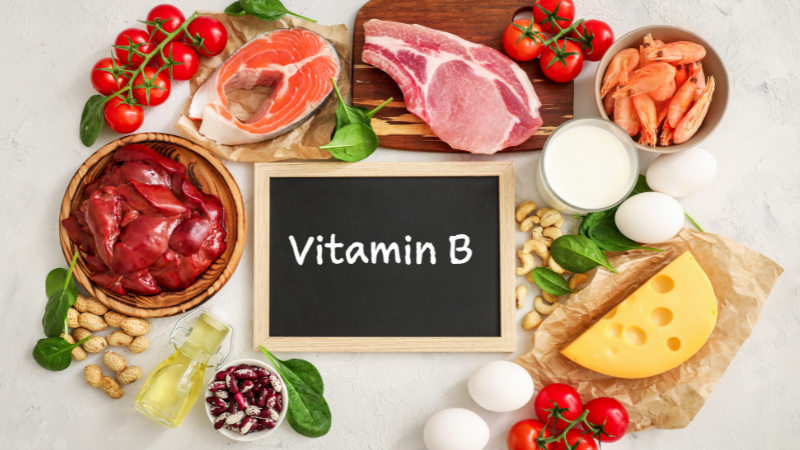
B-complex vitamins include a group of essential nutrients like B6, B12, and folate, which play roles in energy production, brain function, and red blood cell formation.
These vitamins are particularly important for vegetarians, vegans, and anyone with a busy lifestyle, as deficiencies can lead to fatigue and poor concentration.
Supplementing with a B-complex can improve energy levels and help reduce stress. Look for one that includes all eight B vitamins for comprehensive support.
These 11 supplements provide a solid foundation for maintaining overall health, complementing a balanced diet and healthy lifestyle. Always consult with a healthcare provider to determine which supplements are right for your specific needs.