Finding the Best Fitness Equipment for Your Needs
Choosing the right fitness equipment can be confusing. There are so many options, and it’s easy to get lost in the details. But if you focus on your goals, space, and budget, picking the right gear becomes much easier.
Before buying anything, think about what type of exercise you enjoy. Do you like lifting weights, doing cardio, or something low-impact? The right equipment should match your workout style and help you stay motivated.
Know Your Fitness Goals
The first step is to figure out what you want from your workouts. Are you looking to build muscle, lose weight, or improve endurance? Different equipment serves different purposes.
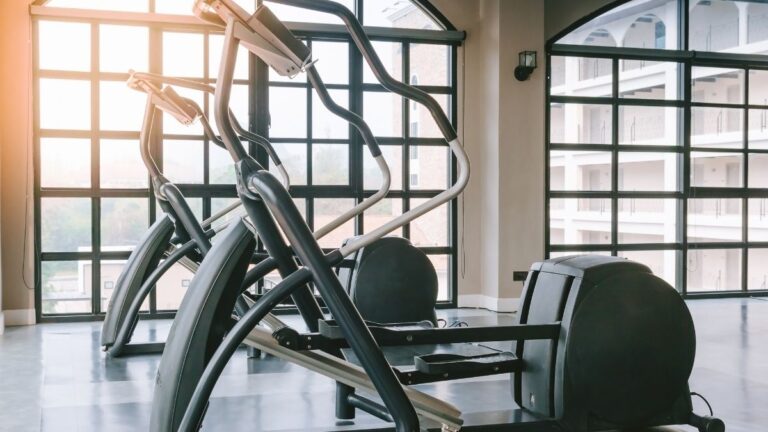
If you want to build strength, focus on dumbbells, barbells, or resistance machines. For cardio, options like treadmills, exercise bikes, or rowing machines are better. If you have joint pain, consider low-impact machines like ellipticals or water rowers.
It also helps to think long-term. Don’t buy equipment just because it’s trendy—choose something you’ll actually use. If you enjoy the workouts, you’re more likely to stick with them.
Consider Your Space
Space is a big factor when buying fitness equipment. Large machines need dedicated space, while smaller items can be stored easily.
If you have a home gym or extra room, a treadmill or power rack might fit well. But if you live in a small apartment, you may need foldable or compact options. Resistance bands, kettlebells, and adjustable dumbbells can save space while still offering a great workout.
Before buying, measure your space and check product dimensions. Don’t forget to leave room for movement and safety. Crowded workout areas can be frustrating and even dangerous.
Set a Realistic Budget
Fitness equipment can be expensive, but you don’t need to spend a fortune to get good results.
Decide how much you’re willing to spend. Some equipment, like resistance bands and jump ropes, are very affordable. Used or refurbished machines can also save you money. Many brands offer financing options, but be careful with long-term payments if you’re unsure about long-term use.
Look for quality over price. Cheaper machines may wear out quickly, leading to more costs in repairs or replacements. Read reviews and check warranties to make sure you’re getting durable equipment.
Test Before You Buy
If possible, try out the equipment before purchasing to make sure it feels comfortable and works for your body.
Gyms or fitness stores often have demo models. Test treadmills, bikes, or weight machines to see how they feel. A machine that’s uncomfortable or awkward won’t be used much.
If buying online, read reviews and watch videos to get an idea of how the equipment works. Look for return policies and warranties in case the item doesn’t meet your expectations.
Think About Maintenance and Durability
Good fitness equipment should last for years, but it needs regular maintenance to stay in top shape.
Cardio machines like treadmills and bikes require lubrication, belt adjustments, and cleaning. Strength equipment should have sturdy frames and high-quality materials to avoid breakdowns. Resistance bands and cables should be checked for wear to prevent snapping.
Before buying, see what kind of upkeep is required. If a machine needs constant repairs, it may not be worth the hassle. Simple, well-built equipment usually lasts longer and is easier to maintain.
Choose What Keeps You Motivated
No matter how good a piece of equipment is, if you don’t enjoy using it, it’s a waste of money.
Pick equipment that fits your exercise style. If you like variety, consider adjustable dumbbells or multi-purpose machines. If you enjoy tech features, look for smart equipment with built-in workouts and progress tracking.
Staying motivated is the key to long-term success. Find something that excites you and keeps you moving.
10 Best Equipment for Your Home Gym
Here are ten must-have pieces of home gym equipment to help you stay fit and strong.
Dumbbells
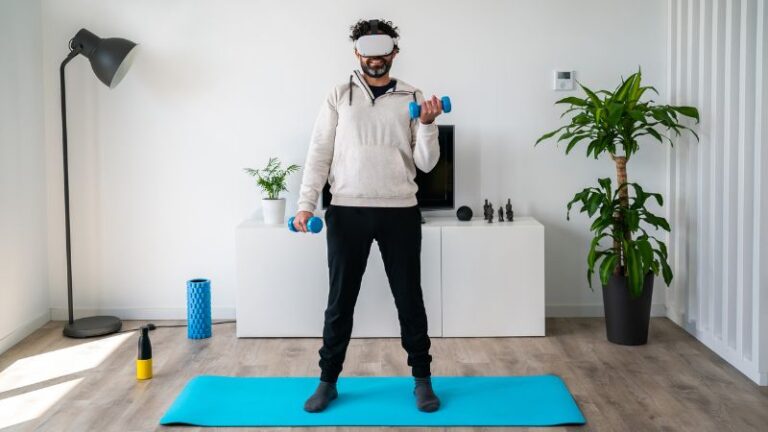
Dumbbells are one of the most versatile and essential pieces of gym equipment. They allow you to train every major muscle group, from arms and shoulders to legs and core. Adjustable dumbbells save space while offering a range of weight options.
You can use dumbbells for strength training, endurance workouts, and even rehabilitation exercises. Start with a lighter weight and work your way up as you build strength. If you have more space, a full dumbbell set can give you even more flexibility.
Look for dumbbells with a comfortable grip and durable material. Rubber-coated or neoprene options help prevent damage to floors and reduce noise when setting them down.
Resistance Bands
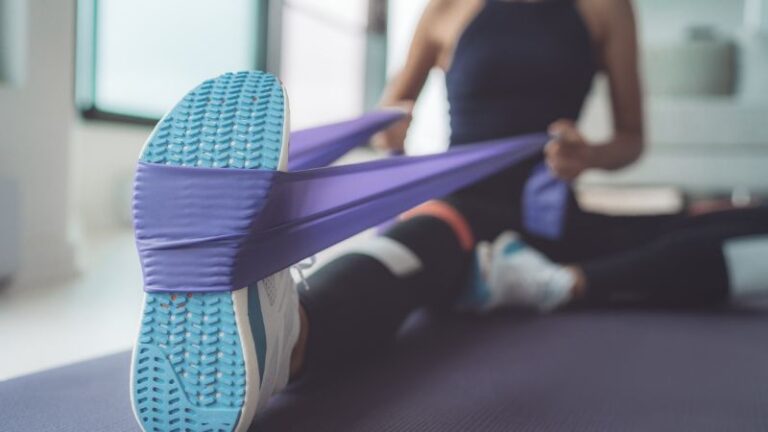
Resistance bands are a cost-effective and space-saving alternative to weights. They help improve strength, flexibility, and mobility, making them great for all fitness levels.
These bands come in different resistance levels, so you can adjust the intensity as you progress. They’re perfect for warm-ups, strength training, and even injury recovery. You can also combine them with weights to add extra resistance and challenge your muscles differently.
Storage is easy—just roll them up and tuck them away. Whether you’re traveling or working out at home, resistance bands let you train anywhere.
Kettlebell
A kettlebell adds a dynamic element to your workouts. It’s excellent for functional movements like swings, squats, and presses. Unlike dumbbells, kettlebells engage multiple muscle groups at once, improving strength, endurance, and coordination.
A single kettlebell can be used for full-body workouts, targeting everything from your core to your legs and shoulders. Choose a weight that challenges you but still allows you to maintain good form.
Look for kettlebells with a smooth, solid handle to ensure a firm grip. Some have a vinyl coating to protect floors, but cast iron ones tend to last longer.
Jump Rope
A jump rope is one of the best cardio tools you can have. It improves endurance, coordination, and footwork while burning calories fast. Just a few minutes of jumping can be more effective than running when it comes to boosting heart health.
Jump ropes come in different styles, including weighted versions for strength training and speed ropes for agility. Make sure the length suits your height so you can jump smoothly without tripping.
If you’re short on space, a jump rope is a great option because it takes up almost no room. Just roll it up and store it in a drawer when you’re done.
Pull-Up Bar
A pull-up bar helps build upper body and core strength with just your body weight. It’s perfect for pull-ups, chin-ups, and even hanging leg raises to work your abs.
Many pull-up bars can be mounted on a doorframe without drilling, making them easy to install. Choose one with a secure grip and multiple hand positions for different muscle groups.
If you’re a beginner, you can use resistance bands for assistance. Over time, you’ll develop the strength to do unassisted pull-ups.
Yoga Mat
A yoga mat isn’t just for yoga. It provides cushioning and grip for any floor-based exercise, from stretching to core workouts. A good mat protects your knees and back while keeping you stable.
Look for a mat that’s thick enough for comfort but firm enough for support. Non-slip materials are ideal, especially if you sweat a lot during workouts.
Mats are lightweight and easy to roll up, so you can store them in a corner when not in use. They’re also great for bodyweight exercises like push-ups, planks, and sit-ups.
Adjustable Bench
An adjustable bench adds versatility to strength training. It lets you perform different exercises, like bench presses, step-ups, and seated shoulder presses. Being able to adjust the incline or decline helps target different muscle groups more effectively.
A foldable bench is ideal if you’re tight on space. Look for one with sturdy construction and thick padding for comfort. A bench with a weight capacity of at least 600 lbs ensures durability and safety.
You can also use a bench for core workouts, dips, and even stretching. It’s a simple but effective way to expand your training options.
Foam Roller
A foam roller helps release muscle tension and speed up recovery after workouts. It’s great for reducing soreness and improving flexibility, making it a must-have for any fitness routine.
Using a foam roller before or after exercise helps break up tight muscle tissue. Focus on areas that feel stiff or sore, like your back, legs, and shoulders.
Different densities offer different levels of pressure. If you’re new to foam rolling, start with a softer one before moving to a firmer roller for deeper tissue massage.
Medicine Ball
A medicine ball is great for strength and power training. It’s used in explosive movements like slams, throws, and twists, which help build functional strength.
Different weights are available, so choose one that matches your fitness level. Heavier balls are better for strength, while lighter ones work well for speed and agility drills.
Many medicine balls are designed with a textured grip for better control. Some even bounce, which can add more variety to your workouts.
Treadmill or Rowing Machine
If you have space and budget, a treadmill or rowing machine is a great investment for home cardio. A treadmill is perfect for walking or running indoors, while a rowing machine gives a full-body workout.
Rowing machines are low-impact and engage more muscles than traditional cardio. If you want an effective way to burn calories without stressing your joints, a rower is a great option.
For treadmills, look for shock absorption to protect your knees. If space is an issue, consider a foldable design that can be stored when not in use.