Cardio Machines and Equipment Tips
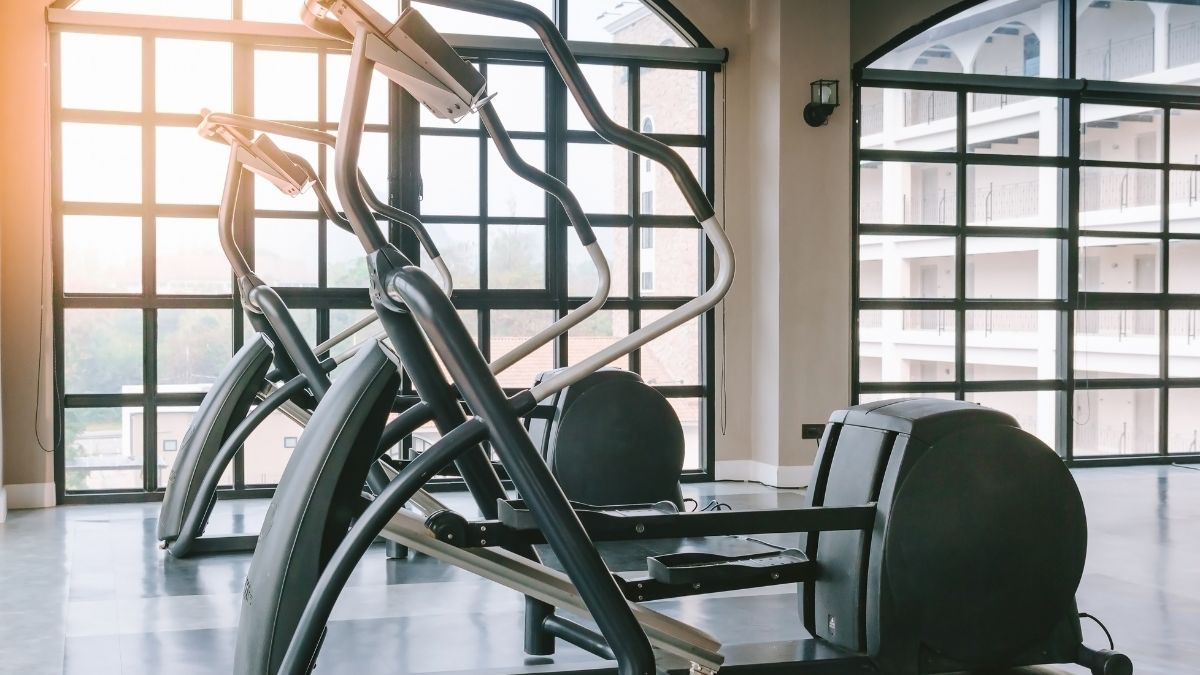
Cardio machines and equipment have become staples in many workout routines, whether you’re at the gym or setting up a home fitness space. These machines provide an excellent way to get your heart rate up, improve cardiovascular health, and burn calories.
With so many options available, from treadmills to ellipticals to rowing machines, it can be challenging to know where to start or how to make the most out of your cardio sessions. The right machine or piece of equipment can make a huge difference in the efficiency and effectiveness of your workout.
Regardless of the machine or equipment you choose, understanding how to use it properly and how to tailor it to your personal fitness goals is crucial. Proper form, setting the right intensity, and incorporating variety into your routine are just a few strategies to enhance your cardio workouts.
By following these tips, you can optimize your cardio machine workouts to help you achieve your fitness goals, stay motivated, and avoid common mistakes that can lead to frustration or injury.
Choosing the Right Cardio Machine for Your Goals
Selecting the right cardio machine is a critical step in ensuring that you meet your fitness goals. Whether you’re aiming for weight loss, increased endurance, or simply improving your overall health, the type of machine you use will affect the results you see. Each machine offers unique benefits, so it’s important to understand which one aligns with your specific objectives.
Treadmills are great for people who enjoy running or walking. They provide a weight-bearing workout, which can help improve bone density and overall strength. If you’re looking to improve cardiovascular health and burn calories quickly, a treadmill might be a good option. On the other hand, if you’re aiming to reduce the impact on your joints, you may want to try a low-impact machine like an elliptical or a recumbent bike, which provide a smoother motion and are easier on the knees and hips.
If you’re interested in working both your upper and lower body while improving stamina, a rowing machine is an excellent choice. Rowing engages multiple muscle groups and offers a full-body workout, improving cardiovascular endurance and muscle strength simultaneously. It’s a great option for those who want a high-intensity workout that challenges their body in various ways. Lastly, if you’re training for athletic performance or simply want to engage in a quick, high-intensity interval training (HIIT) workout, an exercise bike or stair climber might be more beneficial. These machines provide a solid cardiovascular workout that can easily be adjusted to fit your fitness level.
Proper Form and Technique on Cardio Machines
Form and technique are just as important on cardio machines as they are in strength training. Poor form can reduce the effectiveness of your workout and increase your risk of injury. To ensure that you get the most out of your cardio session, it’s essential to maintain proper posture and body alignment throughout your workout.
On a treadmill, for example, avoid holding onto the handrails for support. This can negatively affect your posture and prevent you from engaging the correct muscles. Instead, stand tall with your shoulders back, keep your arms relaxed by your sides, and engage your core. If you’re walking or running at an incline, be sure to adjust your posture to prevent leaning forward, which could strain your back.
On the elliptical, the key is to maintain an upright stance. Keep your chest up, shoulders back, and grip the handlebars lightly. It’s common for people to lean on the handlebars, but this reduces the effectiveness of your workout and places unnecessary pressure on your upper body. Keep your feet aligned and ensure that you’re using a full range of motion with each stride, which will engage your glutes and thighs.
When using a rowing machine, make sure to use your legs for the initial push rather than relying solely on your arms. Start by extending your legs and then pulling the handle toward your body, maintaining a strong posture throughout. Engaging your core and back muscles will help maximize the effectiveness of the row and prevent strain on your lower back.
Setting the Right Intensity
One of the most important factors in maximizing the effectiveness of your cardio machine workouts is setting the appropriate intensity. Too little intensity won’t challenge your body enough to see significant improvements, while too much can lead to burnout or injury. The key is to find a level of intensity that pushes you, but is still sustainable over time.
To determine the right intensity, you can use the “talk test.” If you’re able to carry on a conversation easily, the intensity is likely too low, and you should increase your speed or resistance. If you’re struggling to speak, it’s a sign that you’re pushing yourself too hard and might need to dial it back slightly. A good rule of thumb is to work within 60-85% of your maximum heart rate, which can be estimated by subtracting your age from 220. This ensures that you’re exercising in your target heart rate zone for optimal cardiovascular benefits.
One effective way to adjust intensity is through interval training. Interval training involves alternating between periods of high-intensity effort and lower-intensity recovery. For example, on a treadmill, you could alternate between sprinting for 30 seconds and walking for 1-2 minutes. This method increases calorie burn, improves cardiovascular health, and can also help break up the monotony of longer, steady-state cardio sessions.
Varying Your Routine
Variety is key to both staying motivated and ensuring that your cardio workouts remain effective. Doing the same workout day after day can lead to boredom and can cause your body to hit a plateau, where you stop seeing progress. To avoid this, incorporate different types of cardio machines into your weekly routine.
One way to mix things up is by alternating between machines. For example, you might do 30 minutes on the treadmill one day, followed by a rowing machine session the next. This variation not only keeps things interesting but also targets different muscle groups, which can help improve overall fitness. Another option is to incorporate cross-training, which involves combining different types of exercises to create a more well-rounded fitness regimen.
For example, you might use the elliptical for a low-impact workout one day, and then switch to a cycling session or a stair climber for a higher-intensity challenge. You can also experiment with different intervals, such as increasing the incline on the treadmill, using higher resistance on the bike, or increasing speed on the rowing machine. These changes will ensure that your body is constantly being challenged, leading to better results over time.
Tracking Your Progress
Tracking your progress is an excellent way to stay motivated and monitor the effectiveness of your cardio workouts. Most modern cardio machines come equipped with built-in monitors that track your time, distance, speed, and heart rate. These metrics provide valuable feedback on your performance and can help you set specific, measurable goals.
Consider setting short-term goals based on your workout data, such as improving your time, distance, or heart rate over a certain period. For example, you might aim to run an extra 0.5 miles on the treadmill each week or improve your rowing speed by 10%. Tracking these metrics helps you stay focused on your goals and provides a clear picture of your progress.
In addition to tracking physical metrics, don’t forget to pay attention to how you feel. Fitness progress isn’t just about numbers; it’s also about how much stronger, faster, or more energized you feel. Keeping a workout journal or using a fitness app to track how your body responds to different workouts can provide valuable insight into what works best for you. By combining both physical data and how you feel, you can ensure a balanced approach to tracking your progress.
Incorporating Cardio Machines into Your Full Workout Routine
While cardio machines are excellent tools for improving cardiovascular fitness, it’s important to remember that they should be part of a comprehensive workout routine. Strength training, flexibility, and mobility work are all essential components of a balanced fitness program. Cardio alone may not be enough to build muscle, improve flexibility, or prevent injury, which is why it’s important to incorporate these elements into your workout schedule.
For instance, consider doing a strength training workout on days when you’re not using cardio machines. This could involve bodyweight exercises, free weights, or resistance bands. Strength training not only helps build muscle but also improves bone density and metabolism, which complement the benefits of cardio. On days when you’re using cardio machines, you can focus on building endurance and cardiovascular health, knowing that strength training is integrated into the rest of your routine.
Additionally, adding stretching and mobility exercises will help improve your flexibility, reduce muscle soreness, and decrease the risk of injury. These exercises should be performed after your cardio session when your muscles are warmed up. Stretching will also help you recover more effectively from intense workouts, ensuring that you’re ready to tackle your next cardio session with full energy.
Maintaining Consistency
To reap the long-term benefits of cardio machines and equipment, consistency is key. It’s important to commit to a regular workout schedule, whether that’s three, four, or five days a week, depending on your fitness level and goals. Consistency helps you build habits that make fitness a sustainable part of your life.
If you’re just starting out, set achievable goals and start with shorter sessions, gradually increasing the duration and intensity over time. As your fitness level improves, you’ll find it easier to stay consistent, and you may even start to look forward to your cardio workouts. For those who struggle with staying motivated, it can help to find a workout buddy or join a fitness class to hold yourself accountable. Having someone to support you or share the experience can keep you motivated, making it easier to maintain consistency.
Consistency also means avoiding the temptation to skip workouts or overdo it when you’re feeling fatigued. Taking rest days when needed and giving your body time to recover will prevent burnout and help ensure that your cardio sessions are effective. It’s important to listen to your body, taking the time you need to rest and recharge so that you can continue progressing toward your goals.