
Vitamins and Supplements Guide

Navigating the world of vitamins and supplements can be overwhelming. With so many products promising better health, it’s essential to understand which ones truly benefit your body. This guide breaks down the most important vitamins and supplements, their roles in overall health, and how to incorporate them effectively into your lifestyle.
Understanding the Basics

Vitamins and minerals are essential nutrients your body needs to function properly. They play critical roles in energy production, immune defense, and cellular repair. While a balanced diet provides many of these nutrients, supplements can help fill gaps caused by dietary restrictions, medical conditions, or lifestyle factors.
Supplements come in various forms, including capsules, powders, gummies, and liquids. It’s important to choose high-quality products from reputable brands and follow recommended dosages to avoid potential side effects. Always consult a healthcare professional before starting any supplement regimen.
Essential Vitamins for Health
Vitamin A

Vitamin A is vital for maintaining healthy vision, supporting the immune system, and promoting skin health. It’s found in foods like carrots, sweet potatoes, and spinach. Supplementing with vitamin A may benefit individuals with low dietary intake or specific conditions like night blindness. However, excessive doses can be toxic, so follow recommended amounts.
B Vitamins
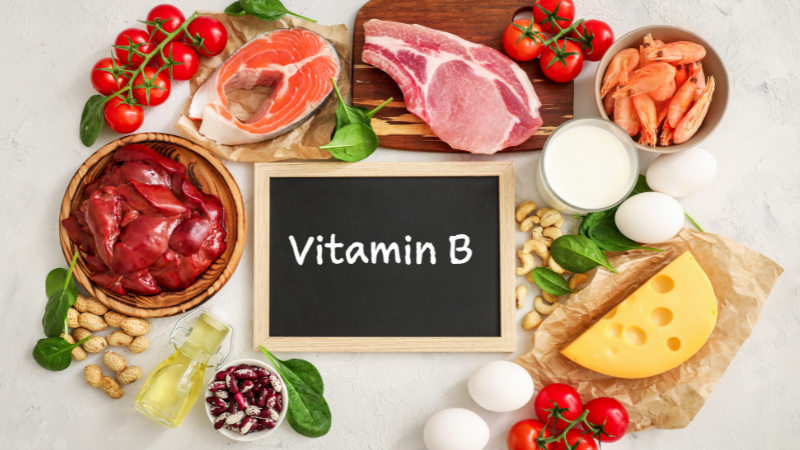
The B-vitamin complex includes eight essential vitamins, such as B12, B6, and folate, that are crucial for energy production, brain function, and red blood cell formation. While most people get enough B vitamins through diet, vegetarians, vegans, and older adults may require supplements, especially for B12. These vitamins are water-soluble, meaning they need regular replenishment.
Vitamin C

Vitamin C is a powerful antioxidant that supports the immune system, skin health, and wound healing. Found in citrus fruits, bell peppers, and strawberries, it’s one of the most widely used supplements. It can help reduce the severity and duration of colds and boost collagen production for healthier skin.
Vitamin D

Known as the “sunshine vitamin,” vitamin D is essential for bone health, immune function, and mood regulation. Many people are deficient due to limited sun exposure or dietary intake. Vitamin D3 supplements are highly effective, especially when paired with calcium for better bone support. Regular blood tests can help determine your individual needs.
Vitamin E
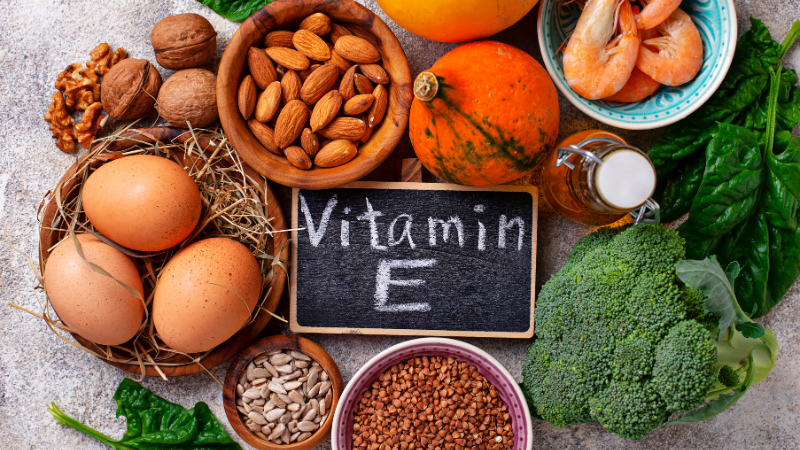
Vitamin E acts as an antioxidant, protecting cells from damage and supporting skin and eye health. While it’s abundant in foods like nuts, seeds, and vegetable oils, supplements can be beneficial for individuals with certain skin conditions or diets lacking healthy fats.
Vitamin K

This lesser-known vitamin is critical for blood clotting and bone health. Leafy greens like kale and spinach are excellent sources, but supplements can help those with dietary restrictions or certain medical conditions. Vitamin K works synergistically with vitamin D and calcium for optimal bone health.
Key Minerals to Consider
Calcium
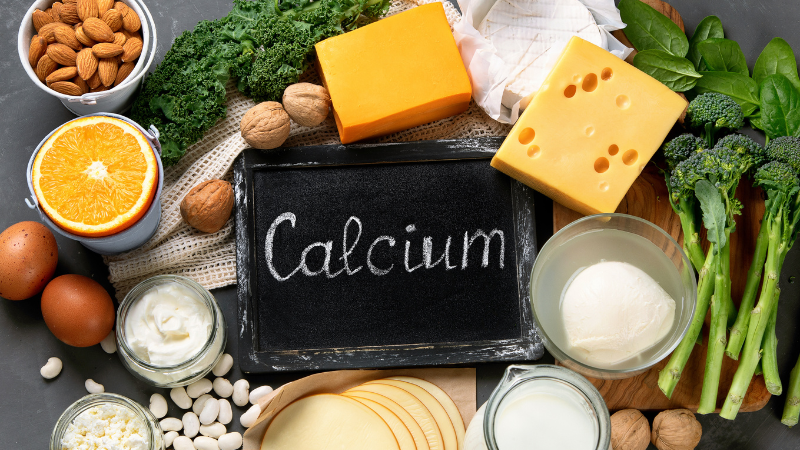
Calcium is vital for strong bones and teeth, as well as nerve and muscle function. Dairy products, leafy greens, and fortified foods are good dietary sources. However, supplements may be necessary for individuals at risk of osteoporosis or those with low calcium intake. Calcium is most effective when paired with vitamin D.
Magnesium
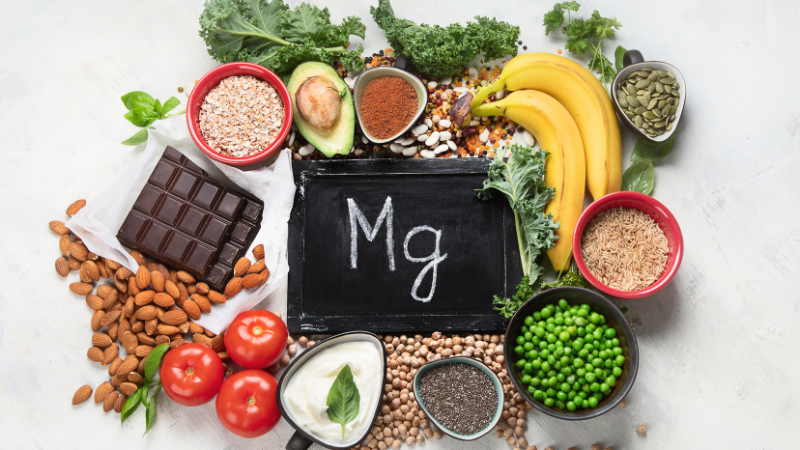
Magnesium supports over 300 biochemical reactions in the body, including muscle function, energy production, and sleep regulation. Foods like nuts, seeds, and whole grains are rich in magnesium, but supplementation is beneficial for those with muscle cramps, stress, or sleep issues. Magnesium glycinate and citrate are well-absorbed forms.
Zinc

Zinc plays a critical role in immune function, wound healing, and cellular repair. It’s especially helpful during cold and flu season. Foods like shellfish, meat, and legumes are good sources, but supplements can be beneficial for vegetarians and those with specific deficiencies.
Iron
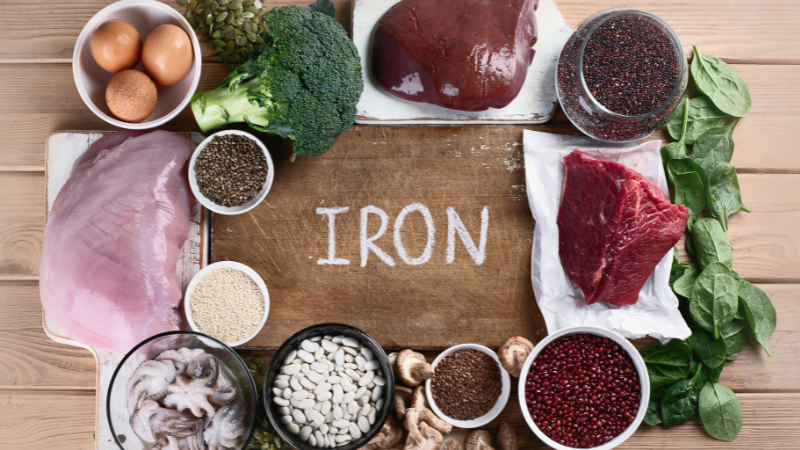
Iron is essential for oxygen transport in the blood and energy production. Deficiency can lead to anemia, causing fatigue and weakness. Women, vegetarians, and individuals with heavy menstrual cycles are at higher risk and may benefit from supplementation. Always pair iron with vitamin C for better absorption.
Specialized Supplements for Targeted Benefits
Omega-3 Fatty Acids

Omega-3s, found in fish oil and plant-based sources like flaxseed, are crucial for heart, brain, and joint health. These healthy fats reduce inflammation, lower cholesterol, and support cognitive function. EPA and DHA are the most effective forms, so look for these on supplement labels.
Probiotics

Probiotics contain beneficial bacteria that support gut health, digestion, and immunity. They are particularly helpful for individuals with digestive issues, frequent infections, or after antibiotic use. Choose a probiotic with multiple strains for comprehensive benefits, and pair it with a fiber-rich diet.
Collagen

Collagen supplements have gained popularity for their ability to improve skin elasticity, joint health, and hair strength. Hydrolyzed collagen peptides are the most effective and can be easily mixed into drinks or smoothies. This supplement is especially beneficial as natural collagen production declines with age.
Adaptogens

Adaptogens like ashwagandha, rhodiola, and ginseng are herbal supplements that help the body manage stress and improve energy levels. They’re ideal for individuals experiencing burnout, fatigue, or high levels of stress. Choose standardized extracts for consistent potency.
How to Choose the Right Supplements
When selecting supplements, it’s important to prioritize quality. Look for third-party certifications such as USP, NSF, or GMP, which ensure the product has been tested for safety and accuracy. Avoid supplements with unnecessary fillers or artificial ingredients.
Consider your individual health needs, lifestyle, and dietary habits. For example, vegetarians may need B12 and iron, while individuals in colder climates may require vitamin D. Regular blood tests can help identify deficiencies and guide your choices.
Start with a minimal approach. Instead of taking multiple supplements at once, introduce them gradually to monitor their effects. This also helps prevent potential interactions with medications or other supplements.
Incorporating Supplements into a Healthy Lifestyle
Supplements should complement, not replace, a balanced diet. Prioritize whole foods rich in nutrients and use supplements as a tool to fill gaps. Pair them with healthy habits like regular exercise, adequate sleep, and stress management for the best results.
Take supplements at the right time for optimal absorption. For example, fat-soluble vitamins (A, D, E, and K) should be taken with meals containing healthy fats, while water-soluble vitamins like C and B can be taken on an empty stomach.
Staying consistent is key. Take your supplements daily and follow recommended dosages. Overuse can be harmful, so stick to the guidelines provided on the label or by your healthcare provider.
Vitamins and supplements are valuable tools for improving and maintaining overall health, but they work best when paired with a nutritious diet and healthy lifestyle.
By understanding their roles and tailoring your choices to your unique needs, you can harness their benefits effectively. Always consult with a healthcare professional to ensure you’re taking the right supplements for your body.