
Daily Habits for Better Health

Improving your health doesn’t require drastic measures. By adopting a few simple daily habits, you can significantly boost your physical and mental well-being. These small changes, when done consistently, can help you feel more energetic, focused, and resilient.
The journey to better health starts with the little things you do every day. From eating more mindfully to staying active throughout the day, building healthy routines can improve your quality of life. Here are 11 practical habits that can transform your health and set you up for long-term success.

Drink Plenty of Water

Staying hydrated is one of the easiest ways to support your overall health. Water is essential for digestion, energy production, and regulating body temperature. Aim to drink at least 8 glasses of water a day, and more if you’re active or live in a hot climate.
If plain water feels boring, try adding a splash of flavor with lemon, mint, or cucumber slices. Keeping a water bottle nearby can serve as a reminder to hydrate regularly. Proper hydration can improve your mood, concentration, and even your skin’s appearance.
Get Enough Sleep

Quality sleep is vital for both your physical and mental health. A good night’s rest allows your body to repair itself, boosts your immune system, and enhances cognitive function. Most adults need 7-9 hours of sleep each night to feel their best.
Establish a calming bedtime routine to help signal your body that it’s time to wind down. Avoid caffeine, heavy meals, and screens before bed for more restful sleep. Consistently prioritizing sleep will leave you feeling refreshed and more productive during the day.
Move Your Body Daily

Regular movement is a cornerstone of good health. Exercise improves heart health, builds strength, and reduces stress. Whether it’s a brisk walk, yoga session, or a dance class, find activities you enjoy to make staying active a fun part of your routine.
Even short bursts of movement, like taking the stairs or stretching during breaks, can add up. Consistency is key—commit to at least 30 minutes of activity daily to reap long-term benefits for both your body and mind.
Eat Balanced Meals

Fueling your body with nutritious, balanced meals is essential for sustained energy and health. Incorporate a variety of fruits, vegetables, whole grains, lean proteins, and healthy fats into your diet. Avoid overly processed foods, which often lack nutrients and are high in unhealthy additives.
Meal prepping can save time and help you make healthier choices. By planning ahead, you’ll be less likely to rely on fast food or snacks. A balanced diet not only supports physical health but also improves focus and mood.
Practice Mindfulness
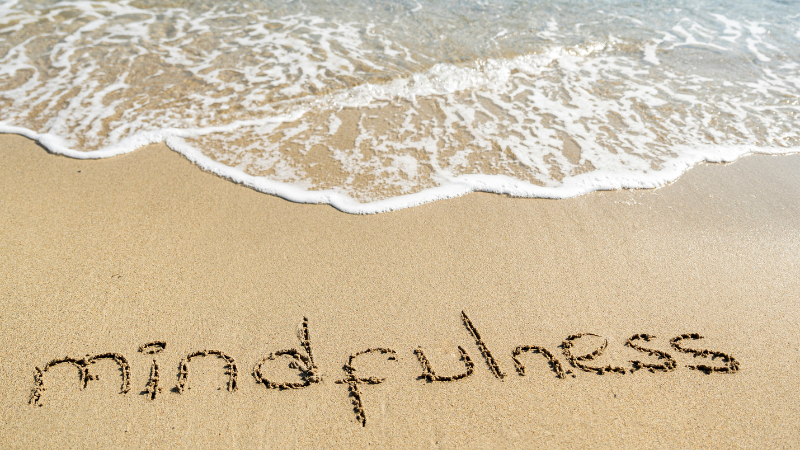
Mindfulness involves being present in the moment and can have profound effects on your mental health. It reduces stress, increases emotional resilience, and improves overall happiness. Set aside a few minutes each day for activities like deep breathing, meditation, or journaling.
You can also practice mindfulness during routine tasks, like eating or walking. By focusing on the experience and your surroundings, you’ll feel more grounded and in tune with yourself.
Stay Socially Connected

Strong social connections are crucial for emotional well-being and even physical health. Spending time with friends and family can reduce stress, boost your mood, and provide a sense of belonging.
Make an effort to nurture relationships by scheduling regular meetups or calls. If you’re looking to expand your social circle, consider joining clubs, volunteering, or participating in local events. Building a supportive network is key to long-term happiness and health.
Limit Screen Time

Excessive screen time can lead to eye strain, disrupted sleep, and increased stress. Too much time on devices can also detract from meaningful connections and outdoor activities that benefit your health.
Set boundaries for screen use, such as limiting it before bedtime or during meals. Replace screen time with healthier alternatives like reading, exercising, or spending time outdoors.
Manage Stress
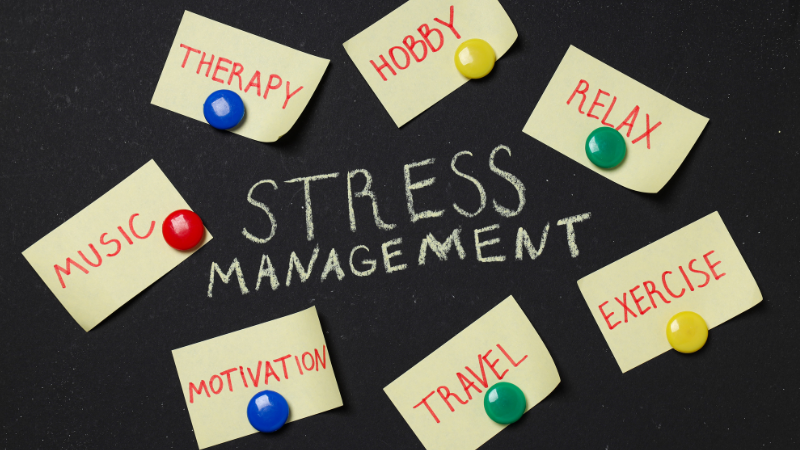
Chronic stress can negatively impact your physical and mental health, leading to issues like high blood pressure, anxiety, and insomnia. Developing healthy ways to manage stress is essential for long-term well-being.
Incorporate stress-relief techniques like yoga, deep breathing, or hobbies into your daily routine. Taking small breaks throughout the day can also help you reset and stay balanced.
Protect Your Skin

Your skin is your first line of defense against the environment, so taking care of it is essential. Apply sunscreen daily to protect against harmful UV rays, even on cloudy days. Keeping your skin hydrated with a good moisturizer can prevent dryness and maintain its elasticity.
Regular skincare doesn’t have to be complicated—cleansing, moisturizing, and sun protection are the basics. Healthy skin not only looks great but also helps you feel more confident.
Take Regular Breaks

Sitting for long periods can be detrimental to your health, even if you exercise regularly. Taking short breaks throughout the day to stand, stretch, or walk can improve circulation, reduce stiffness, and boost energy.
Set reminders to move every hour, whether it’s walking around the office, doing light stretches, or stepping outside for fresh air. These small breaks can enhance focus and reduce the negative effects of prolonged sitting.
Practice Gratitude

Focusing on what you’re grateful for can shift your mindset and improve overall happiness. Gratitude has been linked to better mental health, stronger relationships, and increased resilience in tough times.
Keep a gratitude journal and write down a few things you’re thankful for each day. Reflecting on positive moments helps you cultivate a more optimistic outlook, even during challenging periods.