
Wellness Tips for a Healthy Life

Living a healthy life is about more than just eating well and exercising—it’s a holistic approach that nurtures your body, mind, and soul. Incorporating simple wellness tips into your daily routine can significantly improve your overall well-being.
Whether you’re looking to boost your energy, improve your mental health, or stay physically fit, here are 11 practical wellness tips for a healthier, happier life.
Prioritize Sleep

Sleep is the foundation of good health, yet it’s often overlooked. Adults should aim for 7-9 hours of quality sleep each night to allow their bodies to rest and recover.
Develop a consistent bedtime routine by going to bed and waking up at the same time daily. Limit screen time before bed to avoid blue light disrupting your sleep patterns.
Quality sleep improves cognitive function, boosts mood, and enhances your immune system, making it a cornerstone of a healthy lifestyle.
Stay Hydrated

Hydration is essential for your body to function properly. Drinking enough water helps regulate body temperature, aids digestion, and supports skin health.
Aim to drink at least 8 cups of water daily, or more if you’re active. Carry a reusable water bottle with you to ensure you’re sipping throughout the day.
Adding slices of fruit or herbs like mint to your water can make staying hydrated more enjoyable and flavorful.
Eat a Balanced Diet

A balanced diet fuels your body with the nutrients it needs to thrive. Focus on incorporating a variety of whole foods like fruits, vegetables, lean proteins, and whole grains.
Limit processed foods and sugary snacks, as they can lead to energy crashes and long-term health issues. Instead, opt for healthier alternatives like nuts or fresh fruit.
Eating mindfully, such as chewing slowly and savoring your meals, can help you maintain a healthier relationship with food.
Exercise Regularly

Physical activity is vital for maintaining a healthy body and mind. Regular exercise helps manage weight, strengthens muscles, and improves mental clarity.
Find an activity you enjoy, whether it’s jogging, yoga, or dancing, to make exercise a fun part of your routine. Aim for at least 150 minutes of moderate exercise per week.
Even small changes, like taking the stairs or walking during lunch breaks, can make a significant impact on your fitness levels.
Practice Gratitude

Cultivating gratitude can improve your mental and emotional health. Focusing on the positive aspects of your life helps shift your mindset and reduces stress.
Start a gratitude journal where you list three things you’re thankful for each day. This simple practice can help you develop a more optimistic outlook.
Sharing gratitude with others, like thanking a friend or family member, can also strengthen your relationships and boost your happiness.
Manage Stress

Stress is inevitable, but managing it effectively is crucial for overall wellness. Chronic stress can lead to physical and mental health issues if left unchecked.
Incorporate stress-reducing activities like meditation, deep breathing exercises, or spending time in nature. These can help calm your mind and lower cortisol levels.
Establishing boundaries and learning to say no can also reduce unnecessary stress in your life, allowing you to focus on what truly matters.
Foster Meaningful Connections

Social connections are essential for emotional well-being. Surrounding yourself with supportive people can boost your mood and provide a sense of belonging.
Make an effort to spend quality time with family and friends, whether through regular calls, shared meals, or fun activities. Join groups or clubs that align with your interests to meet new people.
Strong social bonds not only improve happiness but also contribute to better physical health by reducing the risk of chronic illnesses.
Spend Time Outdoors

Connecting with nature has numerous health benefits, including reducing stress and improving mood. Spending time outdoors also boosts vitamin D levels, which support bone health and immunity.
Take a walk in a park, go hiking, or simply sit in your backyard to soak up the fresh air and sunshine. These moments can recharge your energy and clear your mind.
Even short outdoor breaks during a busy day can provide a refreshing change of scenery and help you feel more grounded.
Limit Screen Time

Excessive screen time can strain your eyes, disrupt sleep, and negatively impact mental health. Setting boundaries for your digital consumption is vital.
Use apps to track your screen time and establish limits for social media and entertainment use. Replace screen-heavy activities with hobbies like reading, crafting, or exercising.
Taking regular breaks from screens during work or leisure can also improve focus and reduce feelings of digital fatigue.
Practice Self-Care
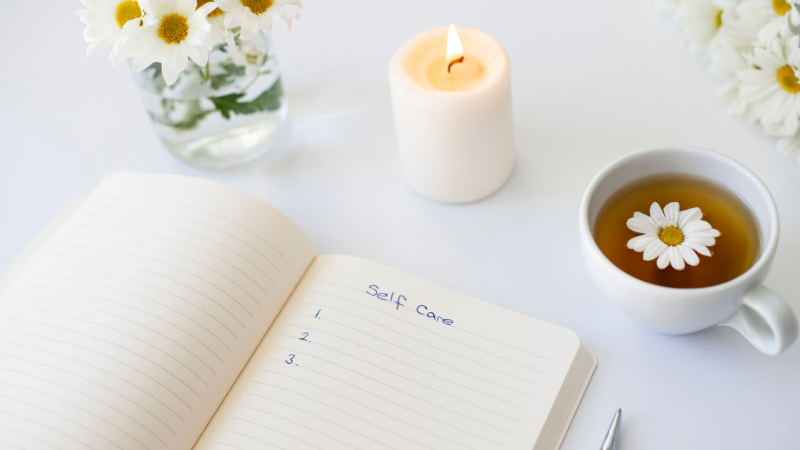
Self-care is about nurturing your physical, emotional, and mental health. It involves setting aside time to do activities that bring you joy and relaxation.
Whether it’s taking a warm bath, reading a book, or indulging in a hobby, prioritize self-care regularly to recharge your energy. Self-care isn’t selfish—it’s essential.
Listening to your body’s needs and giving yourself permission to rest can help prevent burnout and enhance your quality of life.
Set Realistic Goals

Setting realistic goals keeps you motivated and focused on personal growth. Break larger goals into smaller, achievable steps to avoid feeling overwhelmed.
Write down your goals and track your progress to stay accountable. Celebrate your achievements, no matter how small, to keep your momentum going.
Having clear, attainable goals gives you a sense of purpose and direction, contributing to a more fulfilling and balanced life.