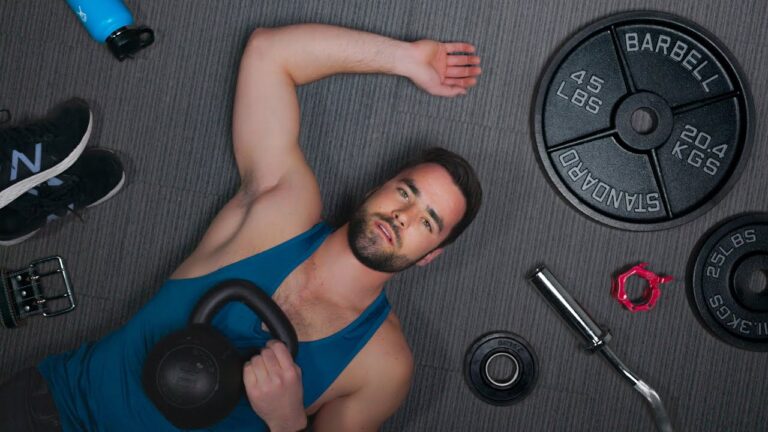
Fitness Tips for Men: Strategies for Optimal Health and Performance

Men’s fitness involves more than just lifting weights and building muscle; it encompasses a holistic approach that includes diet, cardiovascular health, flexibility, and mental wellness.
This article presents eleven key fitness tips that cater specifically to men looking to improve their physical condition and overall health. Each tip is designed to be practical and achievable, supporting men at any fitness level in establishing and maintaining a balanced fitness routine.
Incorporating these fitness strategies into daily life can lead to significant improvements in strength, endurance, flexibility, and mental health. Whether you’re a beginner or a seasoned athlete, these tips provide a foundation for sustained fitness and long-term health benefits, ensuring you can perform at your best in all areas of life.
1. Establish a Routine
Setting a consistent workout routine is crucial for achieving long-term fitness goals. This helps in creating a habit and ensures that you dedicate specific times of your day or week to physical activity. Consistency is key to developing muscle memory and improving overall fitness levels.
A well-structured routine should include a mix of cardiovascular exercises, strength training, and flexibility workouts to cover all aspects of fitness. This balance helps prevent overuse injuries and promotes a more comprehensive approach to health. Additionally, a consistent schedule helps manage your time effectively, making it easier to commit to your fitness goals.
Lastly, remember to be realistic about your time and commitments. It’s better to have a manageable routine that fits well with your lifestyle than an idealistic one that’s hard to maintain. Tailoring your workout plan to your personal circumstances will increase your chances of sticking with it long-term.
2. Mix Cardio and Strength Training
Combining cardiovascular workouts with strength training is essential for a balanced fitness regimen. Cardio exercises like running, cycling, and swimming help improve heart health and endurance, while strength training helps build muscle and improve overall body strength.
Integrating both types of exercises into your fitness plan not only enhances your physical capabilities but also optimizes fat burning. Cardio can help burn calories and fat, while strength training increases muscle mass, which boosts your metabolism. This combination is particularly effective for weight loss and maintaining a healthy body composition.
Furthermore, varied workouts can prevent boredom and increase motivation. Switching between different types of exercise keeps the routine interesting and challenges different muscle groups, enhancing overall fitness and reducing the risk of plateauing.
3. Focus on Compound Movements
Compound movements, such as squats, deadlifts, and bench presses, work multiple muscle groups at once and offer a more efficient way to build strength and muscle mass. These exercises are not only time-efficient but also boost your metabolic rate and increase calorie burn.
Incorporating compound movements into your workouts can also improve your coordination and balance as they mimic natural movement patterns. This can have significant benefits for everyday activities and help prevent injuries by enhancing functional fitness.
Additionally, compound exercises can lead to significant improvements in overall body strength and athletic performance. They stimulate more muscle fibers and can lead to greater gains in muscle size and strength compared to isolation exercises.
4. Prioritize Flexibility and Mobility
Flexibility and mobility exercises are often overlooked in men’s fitness routines but are crucial for maintaining muscle health and joint integrity. Incorporating stretching, yoga, or mobility exercises can enhance your range of motion, reduce the risk of injury, and improve your performance in strength and cardio workouts.
Regular flexibility training can also alleviate muscle stiffness and improve postural alignment, which is particularly important for men who spend long hours sitting. A flexible body is more efficient at movement and less prone to getting injured.
Mobility exercises help maintain the health of your joints and connective tissues, facilitating smoother and more powerful movements. This can be particularly beneficial as you age, helping to maintain your independence and physical capabilities.
5. Get Adequate Rest and Recovery
Recovery is an essential component of any fitness regimen. Adequate rest, including both sleep and time off from exercise, is crucial for muscle repair and growth. Overtraining can lead to injuries, fatigue, and diminished results, so it’s important to listen to your body and allow time for recovery.
Sleep is fundamental to fitness, as it is when most of your muscle repair and growth occurs. Ensuring you get at least 7-8 hours of quality sleep per night can significantly affect your performance and health.
In addition to sleep, incorporating active recovery days with light exercise such as walking or gentle yoga can help maintain mobility and reduce soreness without overtaxing your muscles. Proper hydration and nutrition also play critical roles in recovery, helping replenish energy stores and repair tissues.
6. Track Your Progress
Keeping track of your fitness progress is important for motivation and for assessing the effectiveness of your workout routine. Use tools like fitness apps, journals, or wearable technology to monitor various aspects of your fitness, such as strength levels, body measurements, and cardiovascular fitness.
Tracking allows you to set realistic goals and measure your improvements over time. This can be incredibly rewarding and motivating, especially when you start to see tangible results from your efforts. It also helps in identifying areas that may need more focus and adjusting your routine accordingly.
Furthermore, regularly assessing your progress can help maintain your commitment to fitness. It provides a sense of accomplishment and encourages you to continue working towards your health and fitness goals.
7. Eat a Balanced Diet
Nutrition plays a critical role in fitness. Eating a balanced diet that includes a variety of nutrients is essential for fueling your workouts and aiding recovery. Focus on incorporating lean proteins, whole grains, healthy fats, and plenty of fruits and vegetables into your meals.
Protein is particularly important for muscle repair and growth, so including good sources like chicken, fish, legumes, and dairy products is key. Additionally, carbohydrates are important for energy, so choose whole grains and vegetables over refined sugars and flours.
Healthy fats from sources like avocados, nuts, and olive oil are crucial for overall health and help with the absorption of vitamins and minerals. A well-rounded diet supports your physical demands and contributes to overall health and well-being.
8. Stay Hydrated
Hydration is essential for overall health and optimal fitness performance. Water regulates body temperature, lubricates joints, and helps transport nutrients to give you energy and keep you healthy. When you’re dehydrated, your body can’t perform at its highest level, and you may experience fatigue, muscle cramps, and other negative symptoms.
Aim to drink at least 8-10 glasses of water a day, and more if you are engaging in intense exercise or are in a hot climate. Monitoring the color of your urine is a good way to ensure you’re staying hydrated; pale yellow means you’re well-hydrated, while a darker color indicates a need for more fluids.
Additionally, consider the timing of your hydration. Drinking water before, during, and after exercise can help maintain optimal hydration levels and improve your performance and recovery.
9. Use Technology to Enhance Your Workout
Technology can be a great ally in achieving your fitness goals. Fitness apps can help plan workouts, track calories burned, and monitor your heart rate and sleep patterns. Additionally, online platforms and mobile apps offer a wide range of workout routines that can fit any time frame, fitness level, and interest.
Wearable technology like fitness trackers and GPS watches can help you monitor your activity levels and provide insights into your overall health, such as heart rate, steps taken, and even stress and recovery levels. This data can be incredibly useful for tailoring your fitness approach to meet your personal health needs.
Moreover, technology can also provide motivation through virtual challenges, online communities, or fitness games. These can help keep your workouts fun and engaging, making it more likely you’ll stick with them over the long term.
10. Manage Stress Effectively
Managing stress is crucial for maintaining overall health and fitness. High stress levels can affect your body in various ways, including impairing your immune system and making you more susceptible to injuries. Techniques such as meditation, deep breathing exercises, or hobbies can reduce stress and improve your mental health.
Regular physical activity itself is a great stress reliever. It releases endorphins, which are natural mood lifters that can keep stress and depression at bay. Finding a physical activity you enjoy and incorporating it into your routine can help manage stress effectively.
Additionally, ensuring you have a good work-life balance and seeking social support from friends and family can help manage stress. This supports not only your mental health but also your physical health, enhancing your overall fitness and well-being.
11. Seek Professional Guidance
If you’re new to exercising or looking to elevate your current regimen, seeking professional guidance can be highly beneficial. Certified fitness trainers can help create a tailored workout plan that fits your goals, fitness level, and any medical considerations.
A professional can also teach you the correct form and technique for exercises, which is crucial for preventing injuries and maximizing the effectiveness of your workouts. They can provide motivation and accountability, which can be especially helpful if you’re struggling to stick to a fitness routine.
Moreover, professionals such as dietitians or sports nutritionists can offer advice on how to best fuel your body for your specific fitness goals. This holistic approach to fitness can help you achieve your goals more efficiently and sustainably.