Full-Body Workout Ideas

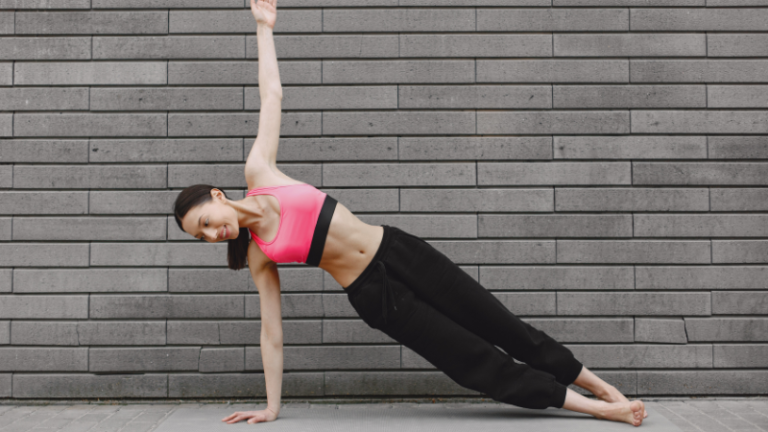
Full-body workouts are an incredibly efficient way to stay fit, build muscle, and burn calories. They target multiple muscle groups simultaneously, making them perfect for busy schedules or anyone looking to maximize their time in the gym. Whether you’re a beginner or an experienced fitness enthusiast, incorporating full-body exercises into your routine can help improve strength, endurance, and overall fitness.
These workouts are versatile and can be done with minimal equipment, at home, or in the gym. From bodyweight exercises to strength training and cardio-focused routines, there’s a full-body workout for every fitness level and goal. In this article, we’ll dive into various full-body workout ideas, breaking them down into easy-to-follow routines.
Benefits of Full-Body Workouts
Full-body workouts are a time-efficient way to exercise. By working multiple muscle groups at once, you can achieve a balanced fitness routine in less time compared to traditional split training. This efficiency makes them ideal for people with busy schedules or limited time for exercise.
Another benefit is improved calorie burn. Because full-body exercises engage large muscle groups, they increase your heart rate and metabolic demand, making them great for weight loss or maintaining a healthy weight. Exercises like burpees, deadlifts, and squats torch calories while also building muscle.
Full-body workouts are also excellent for improving overall strength and functionality. They mimic real-life movements, making it easier to carry groceries, lift heavy objects, or perform daily activities without strain. Plus, they reduce the risk of muscle imbalances by evenly targeting different parts of the body.
Bodyweight Full-Body Workouts
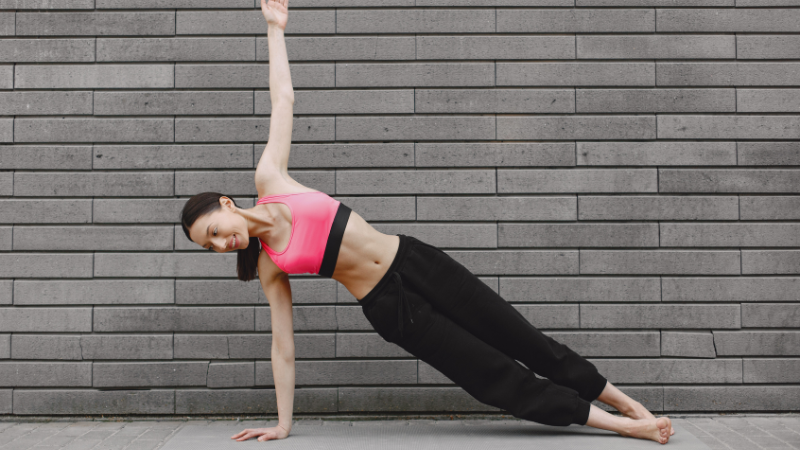
Bodyweight exercises are perfect for full-body workouts because they require no equipment and can be done anywhere. They’re ideal for beginners and advanced athletes alike, offering endless ways to modify and challenge yourself.
One great example is the classic push-up. This compound movement works your chest, shoulders, triceps, and core. You can modify it by doing knee push-ups or elevate your feet for an added challenge. Combine push-ups with planks for a powerful upper-body and core workout.
Squats are another excellent bodyweight exercise. They target your glutes, quads, hamstrings, and calves while engaging your core for stability. For a dynamic twist, try jump squats to increase your heart rate and improve explosive power.
Burpees combine strength, cardio, and endurance into one killer move. They work your legs, core, arms, and chest while giving you a great cardiovascular boost. Start slow, and as your fitness improves, aim for more reps in a set amount of time.
Strength Training Full-Body Workouts
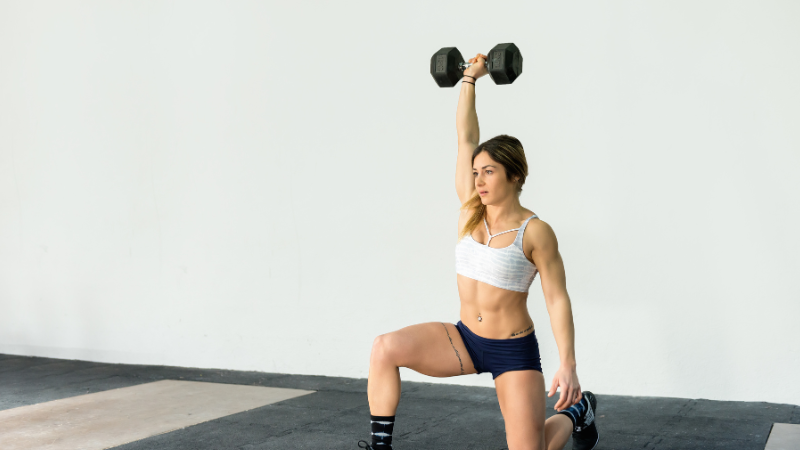
Strength training is an essential component of any fitness routine. Adding weights to your full-body workout can help you build muscle, increase bone density, and improve overall strength.
The deadlift is one of the most effective full-body strength exercises. It targets your glutes, hamstrings, back, core, and forearms all at once. Proper form is crucial to avoid injury, so start with lighter weights and gradually increase as you gain confidence.
Another excellent strength exercise is the barbell squat. This compound movement works your lower body, engages your core, and improves overall stability. You can modify this by using dumbbells or a kettlebell if you don’t have access to a barbell.
Overhead presses are fantastic for your shoulders, triceps, and core. Combining this exercise with a squat or lunge can create a seamless full-body movement that challenges your strength and balance simultaneously.
Cardio-Based Full-Body Workouts

Cardio-based full-body workouts are great for improving endurance, burning calories, and boosting cardiovascular health. These workouts keep your heart rate elevated while engaging multiple muscle groups.
High-Intensity Interval Training (HIIT) is a popular choice for cardio-focused full-body workouts. A typical HIIT session might include exercises like jumping jacks, mountain climbers, and burpees performed in short bursts with minimal rest. This approach maximizes calorie burn and keeps your metabolism elevated long after the workout ends.
Kettlebell swings are another excellent cardio-based full-body exercise. They target your glutes, hamstrings, core, and shoulders while providing a significant cardiovascular challenge. Use a weight that allows you to maintain proper form and gradually increase intensity as you improve.
Circuit training is also an effective method. Design a circuit with exercises like squat jumps, push-ups, and plank holds. Perform each move for 30–60 seconds with minimal rest in between, then repeat the circuit for several rounds.
Full-Body Workouts for Beginners
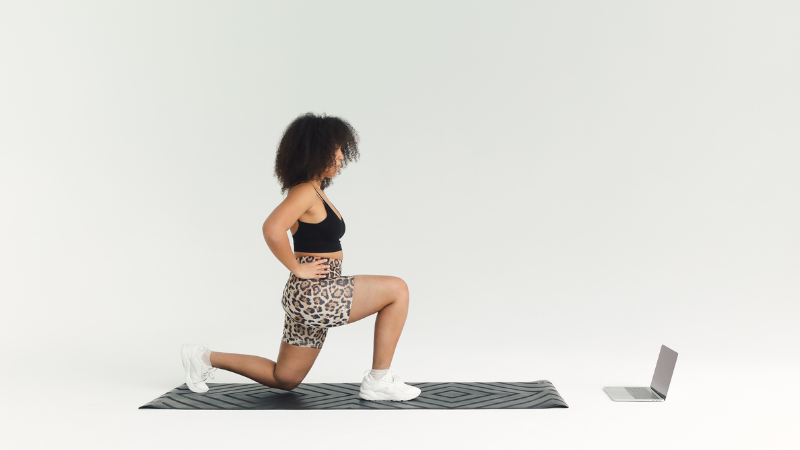
If you’re new to exercise, starting with simple full-body workouts is a great way to build a solid foundation. Focus on mastering proper form and gradually increasing intensity as you grow stronger.
Start with a routine that includes squats, push-ups, and planks. These foundational movements engage multiple muscle groups and help improve strength and stability. Aim for 3 sets of 10–12 reps for each exercise, resting as needed.
Walking lunges are another beginner-friendly option. They work your legs, glutes, and core while also improving balance. If you’re not ready for walking lunges, stationary lunges are a great alternative.
Add some light cardio to your routine, like jumping jacks or marching in place. This will help improve endurance and get your heart rate up. Gradually incorporate more challenging exercises as you become comfortable with the basics.
Full-Body Workouts for Advanced Athletes
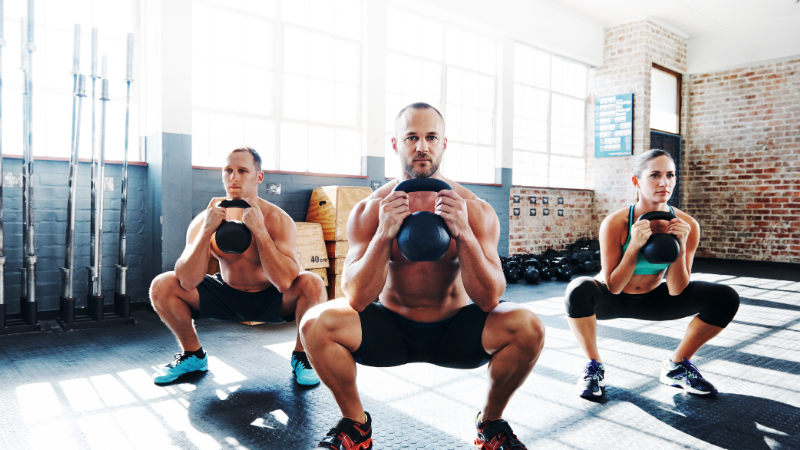
For those with more experience, advanced full-body workouts can push your limits and help you reach new fitness goals. These routines often combine strength, endurance, and explosive power for maximum results.
Try incorporating compound movements like clean and presses or snatch exercises into your routine. These dynamic moves require strength, coordination, and full-body engagement, making them ideal for advanced athletes.
Supersetting is another effective technique. Pair two exercises that target different muscle groups, such as deadlifts and pull-ups, and perform them back-to-back with minimal rest. This approach maximizes efficiency and keeps your heart rate elevated.
Plyometric exercises like box jumps or clap push-ups are great for building explosive power and agility. These high-intensity moves challenge your muscles and cardiovascular system simultaneously, making them a staple in advanced full-body workouts.
Full-Body Workouts at Home
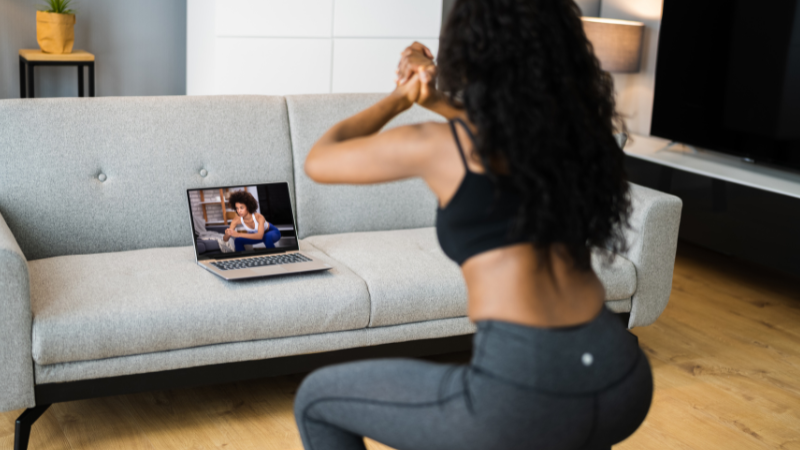
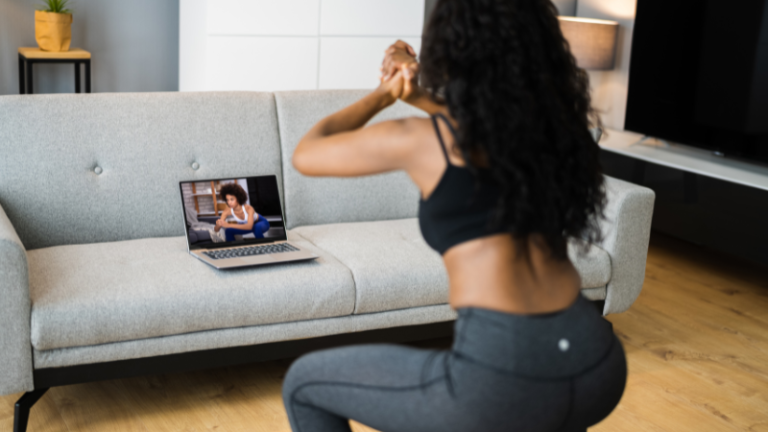
Home workouts can be just as effective as gym routines. With minimal equipment and a little creativity, you can build a challenging full-body workout that fits your space and schedule.
Resistance bands are a versatile tool for home workouts. Use them for exercises like banded squats, rows, and lateral raises to target multiple muscle groups. They’re lightweight, affordable, and easy to store.
Bodyweight circuits are another excellent option. Create a routine that includes push-ups, squats, planks, and burpees, performing each exercise for 45 seconds with a 15-second rest. Repeat the circuit 3–5 times for a full workout.
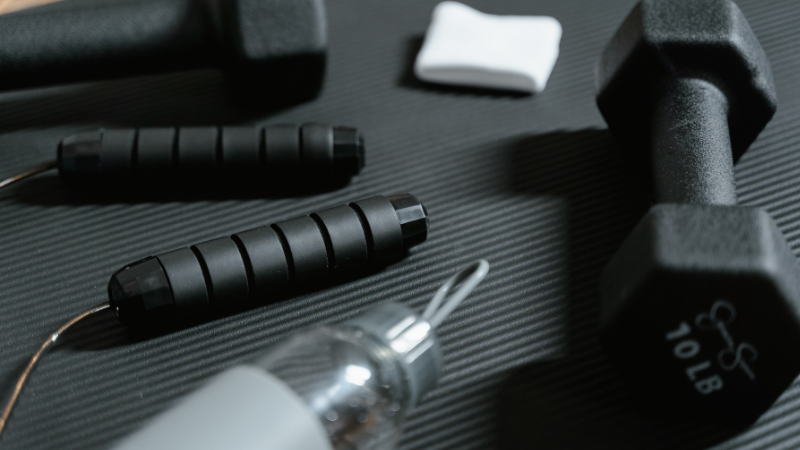
If you have dumbbells or kettlebells, incorporate them into your routine for added resistance. Moves like goblet squats, single-arm rows, and dumbbell thrusters engage multiple muscle groups and provide a full-body challenge.
Stretching and Recovery for Full-Body Workouts
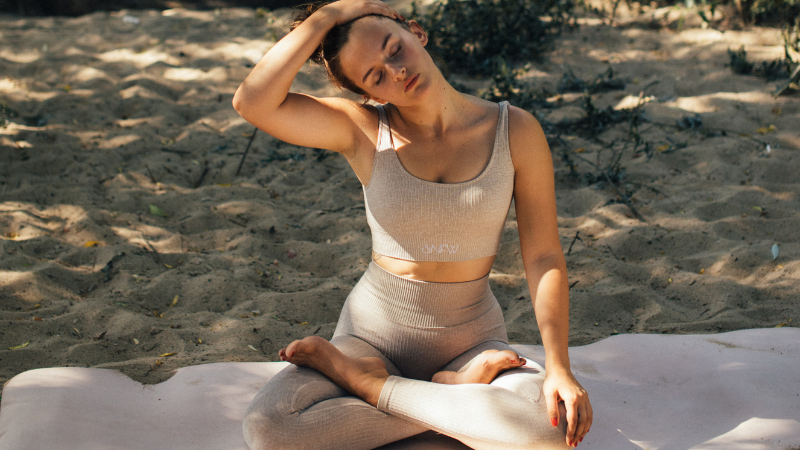
Stretching and recovery are essential components of any workout routine. They help prevent injury, improve flexibility, and enhance overall performance.
Dynamic stretching before your workout can prepare your muscles for movement. Exercises like leg swings, arm circles, and hip openers are great for loosening up and improving range of motion.
After your workout, focus on static stretching to relax your muscles and improve flexibility. Hold each stretch for 20–30 seconds, targeting areas like your hamstrings, quads, and shoulders. Foam rolling can also help release muscle tension and promote recovery.
Don’t forget to prioritize rest days. Your muscles need time to repair and grow stronger, so aim for at least one or two days of rest or light activity each week.
Conclusion
Full-body workouts are a versatile and effective way to improve strength, endurance, and overall fitness. Whether you prefer bodyweight exercises, strength training, or cardio-focused routines, there’s a full-body workout to suit your needs and goals.
By incorporating these ideas into your fitness routine and prioritizing recovery, you’ll build a stronger, healthier body and enjoy the benefits of a well-rounded exercise plan.