Simple Daily Exercise Tips to Stay Active and Healthy
Staying active every day doesn’t have to be hard. Small changes in your routine can make a big difference in how you feel. Whether you have five minutes or an hour, there’s always something you can do to move your body and boost your energy.
Here are 15 practical exercise tips to help you stay fit. These don’t require fancy equipment or a gym membership—just a little effort and consistency.

Start Your Day With Stretching
Stretching in the morning helps wake up your muscles and improve flexibility. It also boosts blood flow, which makes you feel more alert.
Focus on simple stretches like touching your toes, rolling your shoulders, and stretching your arms overhead. These movements prepare your body for the day ahead.
Just five minutes of stretching can prevent stiffness and reduce muscle pain. Try to make it a habit before breakfast or as soon as you get out of bed.
Take the Stairs Instead of the Elevator
Skipping the elevator and choosing the stairs strengthens your legs and improves heart health. It’s a simple way to burn extra calories throughout the day.
If you work in a tall building, start by walking up just a few floors. Over time, increase the number of floors you climb. Even a few minutes of stair climbing can make a difference.
Make it a challenge—walk faster or take two steps at a time to increase the effort. Your legs and lungs will get stronger.
Do Short Workouts Throughout the Day
You don’t need an hour at the gym to stay active. Short workouts add up and can be just as effective.
Try quick exercises like squats, push-ups, or jumping jacks during breaks. Even five-minute bursts of movement help keep your body active.
If you sit for long periods, set a timer to remind yourself to stand up and move every 30–60 minutes. Small movements keep your energy levels up.
Walk Instead of Driving Short Distances
Walking is one of the easiest ways to stay active. It strengthens your heart, burns calories, and improves mood.
If your destination is less than a mile away, skip the car and walk instead. Those extra steps help build endurance and keep you moving.
Even a 10-minute walk after meals can improve digestion and help control blood sugar levels. Try making walking a daily habit.
Use Household Items for Strength Training
You don’t need dumbbells to build muscle. Use water bottles, canned goods, or a backpack for resistance exercises.
Try bicep curls, shoulder presses, or squats with a weighted backpack. These exercises strengthen muscles and improve balance.
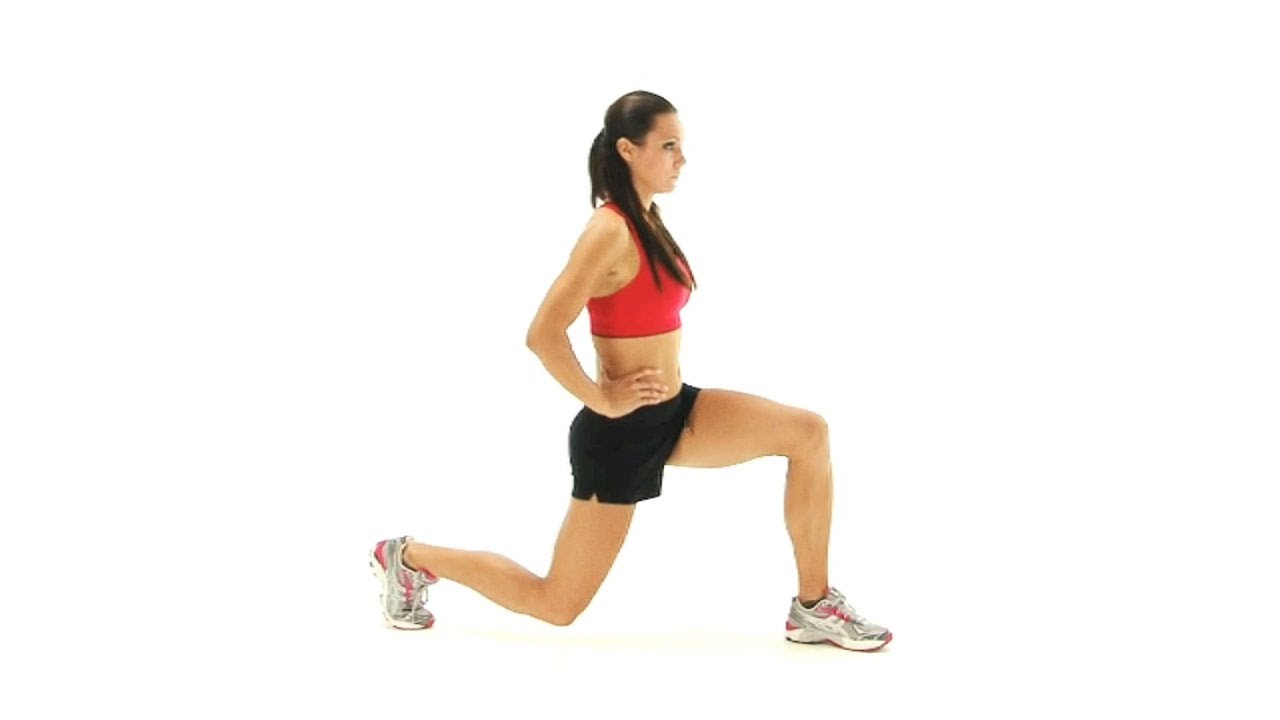
Bodyweight moves like push-ups, lunges, and planks also work great. Strength training helps maintain muscle as you age.
Turn Chores Into Exercise
Housework can be a great way to stay active. Sweeping, vacuuming, and scrubbing floors all burn calories.
Make it more challenging by adding lunges while you vacuum or squats when picking things up. Engage your core while mopping to strengthen your abs.
Cleaning doesn’t just make your home look good—it keeps you moving and helps you stay in shape.
Try Desk Exercises at Work
Sitting all day isn’t good for your health. Simple desk exercises help keep your muscles engaged.
Try seated leg lifts, shoulder rolls, or standing calf raises while on the phone. If possible, use a standing desk to change your posture throughout the day.
Stretch your wrists, neck, and back to reduce tension from sitting. Small movements prevent stiffness and keep your energy up.
Take a Walk During Lunch Breaks
Instead of sitting down right after eating, go for a short walk. It helps digestion and keeps your metabolism active.
Walking outside can also reduce stress and improve focus. Even a 10- to 15-minute walk makes a big difference.
If you have a busy schedule, invite a coworker or friend to walk with you. It makes the habit more enjoyable.
Do Bodyweight Exercises While Watching TV
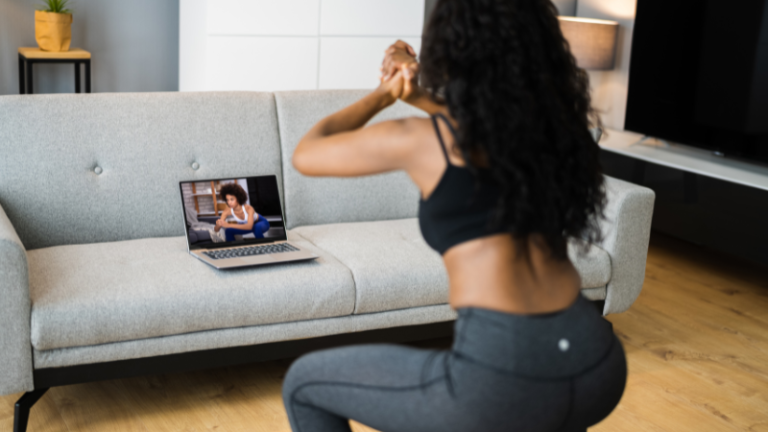
Turn TV time into an opportunity to stay active. Instead of just sitting, do bodyweight exercises like squats, lunges, or sit-ups.
Challenge yourself to do push-ups during commercial breaks or stretch while watching your favorite show. This turns passive time into productive movement.
A little effort during screen time adds up over weeks and months. Stay active even while relaxing.
Get Outside for Fresh Air and Movement
Outdoor exercise feels refreshing and energizing. A short walk, jog, or bike ride can improve your mood and fitness.
Sunlight also helps your body produce vitamin D, which is essential for strong bones and a healthy immune system.
Try different activities like hiking, playing sports, or even gardening. Moving outside feels less like exercise and more like fun.
Dance to Your Favorite Music
Dancing is a fun way to burn calories and improve coordination. Plus, it boosts your mood and reduces stress.
Turn on your favorite music and dance for 10–15 minutes. No rules—just move however you like. It’s a great way to stay active without feeling like you’re working out.
If you enjoy it, try a dance workout or class. It’s a fantastic full-body exercise that keeps you engaged.
Use a Fitness App for Motivation
Tracking your movement can help you stay consistent. Many apps count your steps, remind you to move, or suggest quick workouts.
Set small goals, like walking 5,000 steps a day or doing a 5-minute workout before bed. Progress keeps you motivated.
Seeing results, even small ones, encourages you to keep going. Apps can help build a daily habit of movement.
Drink Water and Stay Hydrated
Hydration affects energy levels and muscle function. Drink water throughout the day to keep your body working well.
Dehydration makes you feel tired and sluggish, which reduces motivation to exercise. Keep a water bottle nearby as a reminder to sip often.
If plain water feels boring, add lemon, cucumber, or a splash of juice for flavor. Staying hydrated supports an active lifestyle.
Make Exercise a Social Activity
Exercising with others makes it more enjoyable. A workout buddy helps keep you accountable and motivated.
Join a walking group, take a fitness class, or play sports with friends. Social exercise feels more like fun and less like a chore.
Even virtual challenges or step competitions with family and friends can make staying active exciting.
Get Enough Rest and Recovery
Your body needs time to recover after exercise. Sleep and rest days are just as important as workouts.
Lack of sleep reduces energy and makes exercise feel harder. Aim for 7–9 hours of sleep each night for better performance.
Listen to your body. If you feel sore or exhausted, take a break. Recovery helps you stay consistent in the long run.