
Simple Ways to Stay Healthy

Staying healthy doesn’t have to be complicated or time-consuming. In fact, small, consistent changes in your daily habits can lead to significant improvements in your physical and mental well-being. Whether it’s tweaking your diet, moving more, or getting better sleep, the path to a healthier lifestyle starts with simple, actionable steps you can incorporate today.
The key to a healthier you isn’t about perfection; it’s about progress. By focusing on small, manageable habits, you can build a sustainable routine that fits your lifestyle. Below, we’ve outlined some of the most effective and straightforward ways to stay healthy, covering everything from nutrition and exercise to mindfulness and hydration.
Drink More Water

Staying hydrated is one of the simplest ways to maintain good health, yet it’s often overlooked. Water supports essential functions like regulating body temperature, flushing out toxins, and keeping your skin healthy. Aim for at least 8-10 glasses of water daily, and adjust based on your activity level or climate.
If you struggle to drink enough water, consider carrying a reusable water bottle with you as a reminder. You can also add natural flavoring like lemon slices or cucumber to make it more appealing. Staying hydrated can boost your energy, improve focus, and even support weight management.
Prioritize Sleep

Sleep is the body’s natural way to recharge, yet many people neglect it in favor of busy schedules. Poor sleep can lead to a weakened immune system, increased stress, and difficulty concentrating. Aim for 7-9 hours of quality sleep each night to help your body and mind recover.
To improve your sleep, establish a bedtime routine that helps you wind down, such as reading, meditating, or limiting screen time. A consistent sleep schedule can also help regulate your internal clock, making it easier to fall asleep and wake up feeling refreshed.
Exercise Regularly

Regular physical activity is essential for maintaining a healthy body and mind. Exercise helps you build strength, improve cardiovascular health, and reduce stress levels. You don’t need to spend hours at the gym—just 30 minutes of moderate activity most days can make a big difference.
Find activities you enjoy, whether it’s dancing, swimming, or going for a brisk walk. This makes it easier to stick with your routine and keeps exercise fun. Consistency is key, so start small and build up gradually to a level that challenges you.
Eat a Balanced Diet

A balanced diet provides the nutrients your body needs to function at its best. Focus on eating a variety of whole foods, including fruits, vegetables, lean proteins, whole grains, and healthy fats. Avoid excessive processed foods, which are often high in sugar and unhealthy fats.
Meal planning can help you make healthier choices and save time. Keep your meals colorful and nutrient-dense by incorporating a wide range of fruits and vegetables. Not only will this support your physical health, but it will also boost your energy and mood.
Manage Stress

Chronic stress can take a toll on your health, contributing to issues like high blood pressure, insomnia, and anxiety. Developing healthy ways to manage stress can improve your overall well-being. Techniques like deep breathing, mindfulness, and regular physical activity can help.
Consider setting aside time each day to focus on self-care, whether it’s through hobbies, meditation, or spending time with loved ones. Recognizing stress triggers and addressing them proactively can make a big difference in your mental and emotional health.
Limit Screen Time

Excessive screen time, especially before bed, can negatively affect your sleep, posture, and mental health. Spending too much time on devices can lead to eye strain, decreased productivity, and even feelings of loneliness or anxiety.
Set boundaries for screen use, like taking regular breaks during the day or establishing screen-free zones in your home. Replace some screen time with activities that promote relaxation or social interaction, like reading a book or going for a walk.
Stay Socially Connected

Maintaining strong social connections is vital for emotional well-being and even physical health. Spending time with friends and family can reduce feelings of loneliness and stress while boosting happiness and confidence.
Make an effort to nurture your relationships by scheduling regular catch-ups or phone calls. Joining community groups or participating in group activities can also help you meet new people and build a supportive network.
Practice Gratitude

Gratitude can shift your mindset and improve your overall outlook on life. Taking time to acknowledge the positive aspects of your day can reduce stress and increase feelings of happiness.
Consider keeping a gratitude journal where you write down three things you’re thankful for each day. Reflecting on these moments can help you stay focused on what truly matters and foster a more positive attitude.
Maintain Good Hygiene

Good hygiene is a simple yet effective way to protect your health. Washing your hands regularly, especially before meals and after using the restroom, can reduce the risk of illness. Regular bathing, oral care, and grooming are also important for overall cleanliness and self-esteem.
Keep personal hygiene items easily accessible, and make it a part of your daily routine. Teaching children good hygiene habits early on helps them develop lifelong practices that support health and well-being.
Avoid Harmful Substances

Reducing or eliminating harmful substances like tobacco, excessive alcohol, or recreational drugs can greatly improve your health. These substances can cause long-term damage to your body and increase the risk of serious conditions like heart disease or cancer.
If you struggle with quitting, seek support from a healthcare provider or support groups. Replacing harmful habits with healthier alternatives, like exercise or creative hobbies, can make the transition easier and more sustainable.
Protect Your Skin
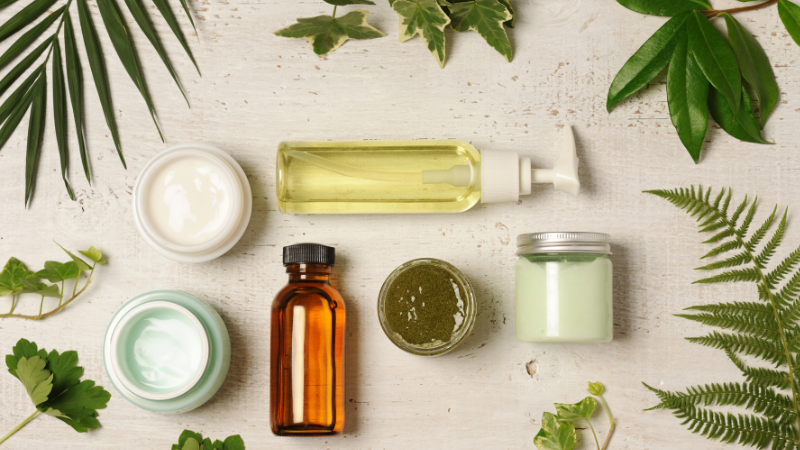
Your skin is your body’s largest organ and needs proper care to stay healthy. Daily sunscreen use can protect against harmful UV rays and reduce the risk of skin cancer. Moisturizing regularly helps keep your skin hydrated and prevents dryness.
Avoid overexposure to the sun, especially during peak hours, and wear protective clothing when necessary. Taking care of your skin is not just about appearance—it’s an essential part of overall health.
Practice Mindful Eating

Mindful eating encourages you to pay attention to your food and listen to your body’s hunger cues. It helps prevent overeating and allows you to truly enjoy your meals. Eating slowly and savoring each bite can improve digestion and promote healthier food choices.
Avoid distractions like watching TV or scrolling on your phone during meals. Focus on the taste, texture, and aroma of your food to create a more satisfying and nourishing experience.
Keep Moving Throughout the Day

Even if you exercise regularly, sitting for long periods can still harm your health. Incorporating movement into your day helps counteract the effects of prolonged sitting. Try taking short breaks to stretch, walk, or stand every hour.
Simple changes like using the stairs instead of the elevator or walking while on phone calls can add up over time. Staying active throughout the day not only benefits your physical health but also boosts productivity and energy levels.