Healthy Eating Tips: Simple Steps for a Better You

Healthy eating is about more than just weight management; it’s the foundation of a vibrant, energized life. Making small, sustainable changes to your diet can have a significant impact on your physical and mental well-being.
Whether your goal is to feel better, prevent diseases, or boost energy levels, these healthy eating tips can help you take control of your nutrition. Let’s explore 15 practical and effective strategies.
Plan Your Meals Ahead
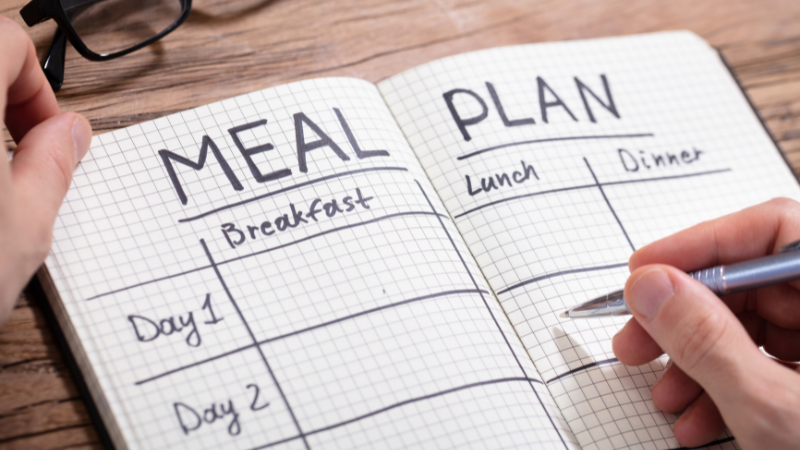
Meal planning is one of the simplest ways to stay on track with healthy eating. It saves time, reduces stress, and helps you avoid impulsive, unhealthy food choices.
Set aside time each week to plan meals that include a balance of protein, vegetables, and whole grains. Write a grocery list and stick to it to avoid buying unnecessary items.
Prepping ingredients or entire meals in advance can make it easier to stay consistent. This also ensures you have nutritious options ready even on busy days.
Eat More Whole Foods
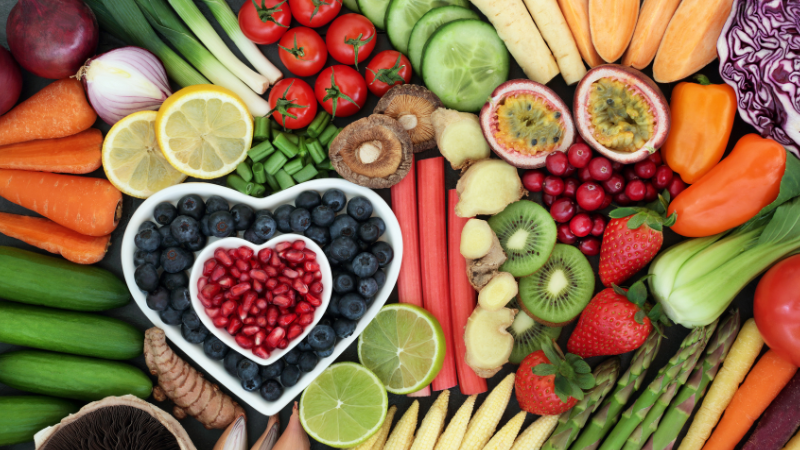
Whole foods, such as fruits, vegetables, whole grains, and lean proteins, are packed with nutrients your body needs. They’re minimally processed, making them a healthier option than packaged snacks.
Focus on filling your plate with colorful produce, as different colors provide unique vitamins and antioxidants. Incorporate more whole grains like quinoa, brown rice, or oats into your meals.
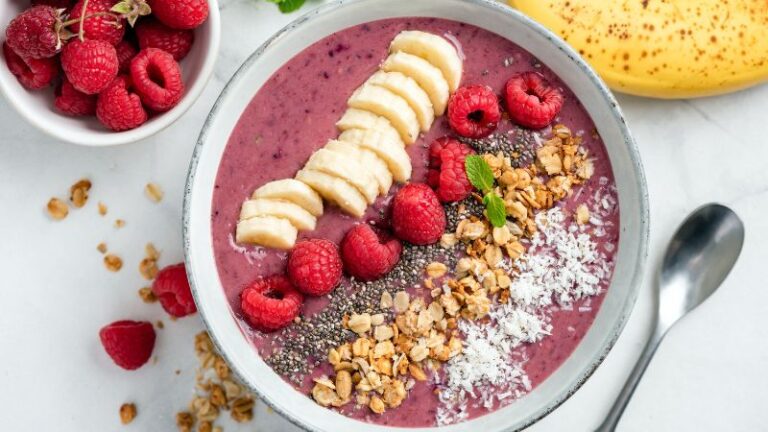
Replace sugary snacks with fruits or nuts for a natural energy boost. Over time, you’ll notice the difference in your energy levels and overall health.
Prioritize Protein
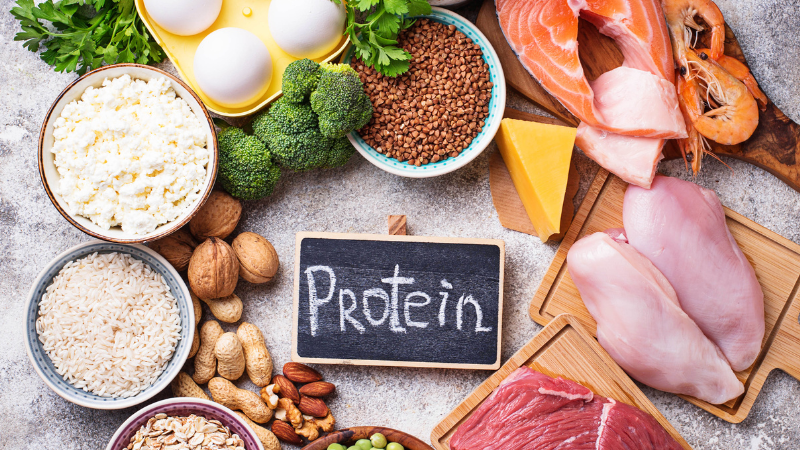
Protein is essential for muscle repair, energy, and keeping you full longer. Adding more protein to your diet can help reduce cravings and support weight management.
Include lean protein sources like chicken, fish, tofu, eggs, or legumes in every meal. These provide essential amino acids while keeping calories in check.
For snacks, opt for protein-rich options like Greek yogurt, nuts, or protein bars. Balancing your protein intake throughout the day is key for sustained energy.
Hydrate Throughout the Day

Drinking enough water is crucial for overall health. Proper hydration aids digestion, helps regulate body temperature, and boosts energy levels.
Carry a water bottle with you and aim for at least 8 cups a day, or more if you’re active. Add natural flavors like lemon, cucumber, or mint if plain water feels boring.
Avoid sugary drinks like soda or energy drinks, as they can lead to crashes and weight gain. Opt for herbal teas or infused water for variety.
Control Portion Sizes
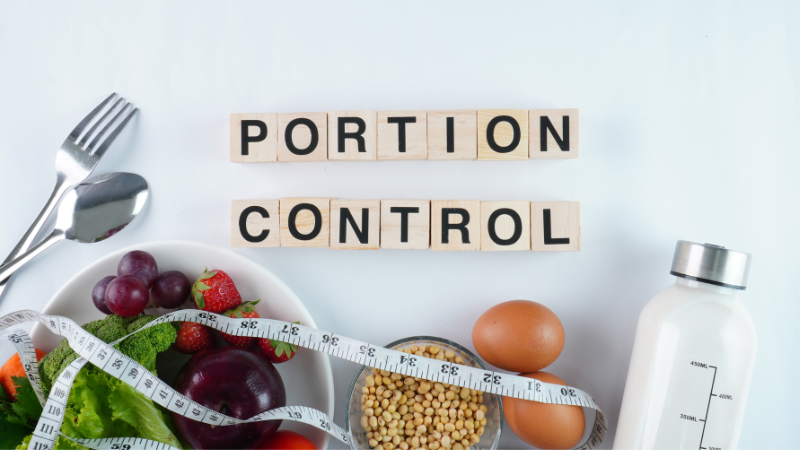
Portion control is essential for maintaining a healthy weight and preventing overeating. Even nutritious foods can lead to weight gain if consumed in excessive amounts.
Use smaller plates and bowls to naturally reduce portion sizes. Serve food directly onto your plate rather than eating out of large containers.
Pay attention to hunger cues and stop eating when you feel satisfied, not stuffed. Eating mindfully can help you enjoy your meals without overindulging.
Snack Smart
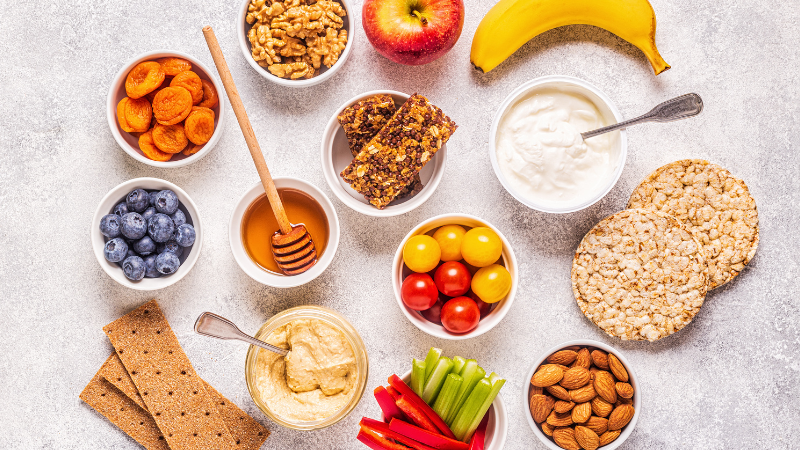
Snacking doesn’t have to derail your healthy eating goals. Choosing nutrient-dense snacks can keep you energized and prevent overeating at meals.
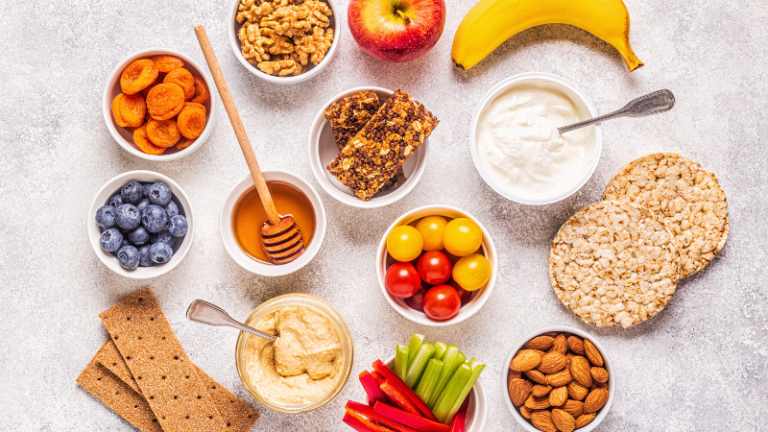
Keep healthy options like nuts, seeds, fruit, or veggies with hummus on hand. These provide a mix of protein, fiber, and healthy fats.
Avoid processed snacks high in sugar or salt. Preparing your snacks in advance can help you make better choices when hunger strikes.
Cook at Home More Often

Preparing meals at home gives you control over the ingredients and cooking methods, making it easier to eat healthily. It’s also more budget-friendly than dining out.
Experiment with simple recipes that use fresh, whole ingredients. Use herbs and spices to add flavor without relying on unhealthy fats or salt.
Cooking at home can also be a fun way to involve your family or friends. It’s a great opportunity to explore new cuisines and develop healthier habits together.
Reduce Added Sugar

Excess sugar can contribute to weight gain, energy crashes, and various health issues. Cutting back on added sugar is one of the most impactful changes you can make.
Read food labels carefully, as sugar hides in unexpected places like sauces, bread, and yogurt. Opt for unsweetened or low-sugar versions whenever possible.
Replace sugary treats with naturally sweet options like fruit or dark chocolate. Your taste buds will adjust over time, making you less reliant on sugar.
Include Healthy Fats
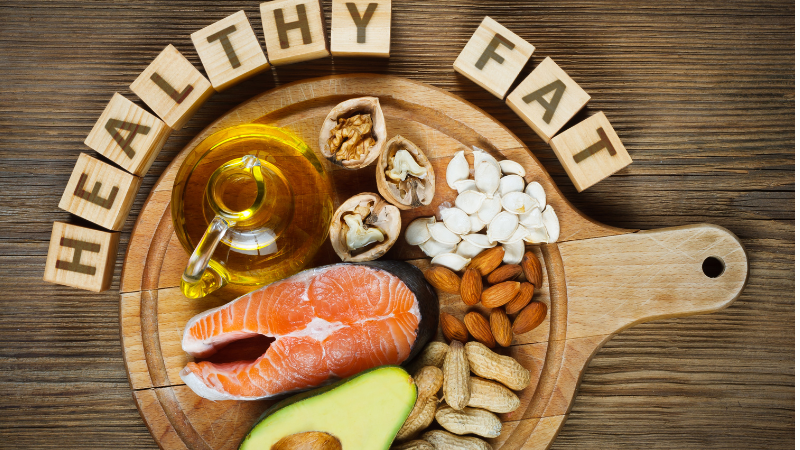
Not all fats are bad—healthy fats are essential for brain function, hormone production, and overall well-being. The key is to choose the right types.
Incorporate sources of healthy fats like avocado, nuts, seeds, olive oil, and fatty fish into your diet. These provide omega-3s and other nutrients.
Avoid trans fats and limit saturated fats, often found in processed and fried foods. Healthy fats can help you feel full and satisfied after meals.
Limit Processed Foods
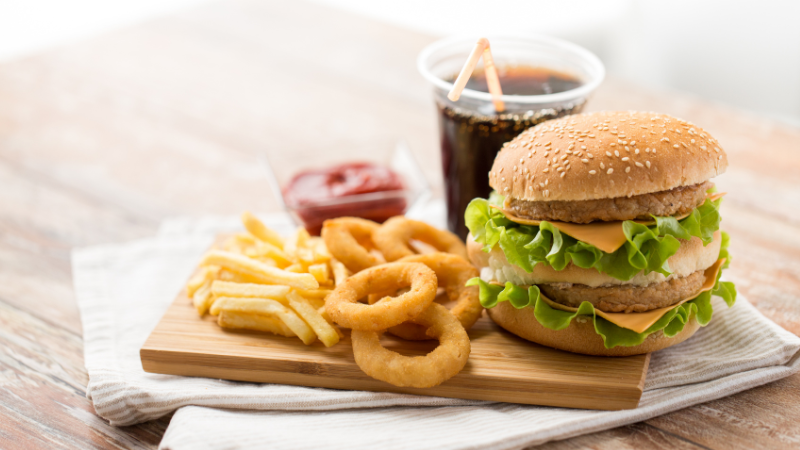
Processed foods are often high in unhealthy fats, sugar, and sodium while lacking essential nutrients. Reducing your intake can significantly improve your diet.
Focus on whole, unprocessed foods as much as possible. Shop the perimeter of the grocery store, where fresh produce, meats, and dairy are typically located.
If you do buy packaged foods, read the ingredient list and choose options with fewer additives and preservatives. Cooking from scratch is a great way to avoid unnecessary processing.
Eat Slowly and Mindfully

Eating too quickly can lead to overeating and digestive discomfort. Slowing down and paying attention to your food can improve your relationship with eating.
Chew thoroughly and savor each bite to enjoy the flavors and textures. This also gives your brain time to register fullness, preventing overeating.
Avoid distractions like TV or smartphones while eating. Focus on your meal to create a more satisfying and mindful experience.
Balance Your Meals
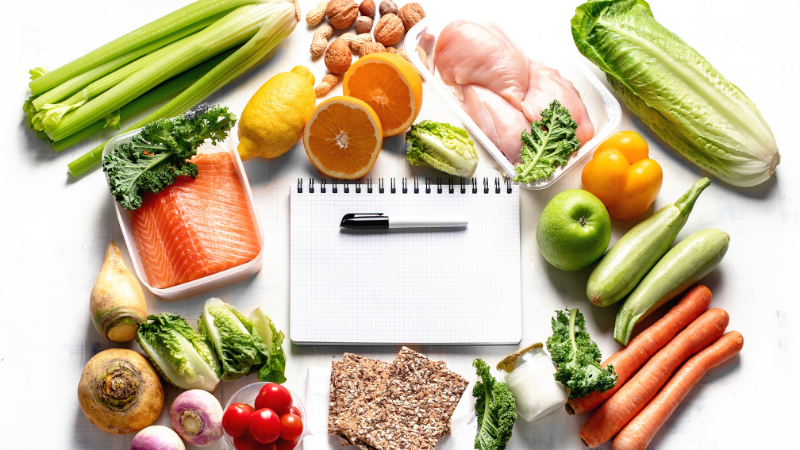
A balanced meal includes a mix of protein, carbohydrates, and healthy fats. This combination provides sustained energy and keeps you feeling full longer.
Use the plate method as a guide: fill half your plate with vegetables, a quarter with lean protein, and a quarter with whole grains. Add a small amount of healthy fat for flavor.
Balancing meals ensures you’re getting a variety of nutrients. It also helps prevent energy crashes caused by carb-heavy or unbalanced meals.
Practice Moderation, Not Restriction

Healthy eating doesn’t mean giving up your favorite foods entirely. Practicing moderation allows you to enjoy treats without derailing your goals.
Allow yourself occasional indulgences, like a piece of cake or a slice of pizza. The key is to keep portions small and enjoy them mindfully.
Focusing on an overall healthy diet rather than perfection can help you stay consistent and avoid feelings of deprivation.
Keep Healthy Foods Accessible
Making healthy eating easier starts with accessibility. When nutritious options are within reach, you’re more likely to choose them over unhealthy alternatives.
Stock your fridge with pre-washed fruits and vegetables, and keep healthy snacks visible on your counters or in your pantry.
Avoid buying tempting junk food. If it’s not in your home, you’re less likely to reach for it when cravings strike.
Listen to Your Body
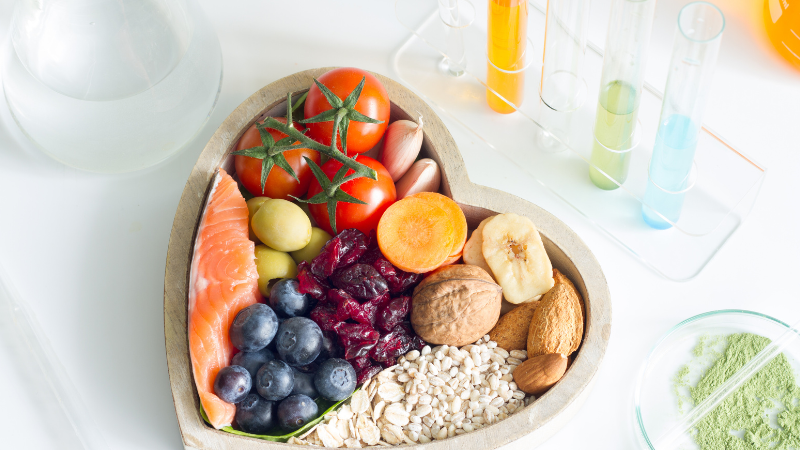
Finally, pay attention to your body’s signals. Eating when you’re truly hungry and stopping when you’re full is a cornerstone of healthy eating.
Notice how different foods make you feel. Aim for options that leave you energized and satisfied rather than sluggish or bloated.
By tuning into your body’s needs, you can develop a more intuitive approach to eating that supports your health in the long term.
Healthy eating is a journey, not a destination. Small, consistent changes will lead to lasting results and a healthier, happier you.